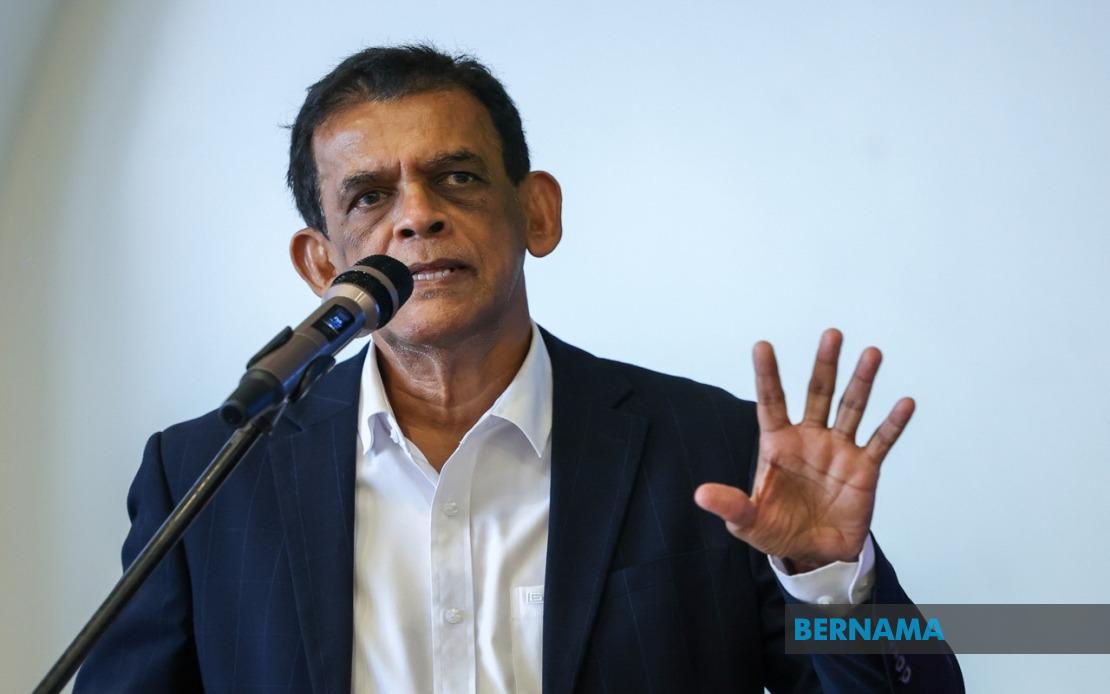
The Malaysian Artistes' Association (Karyawan) will present a comprehensive reform agenda to the Prime Minister following a major industry convention scheduled for Sunday, June 21, marking a significant push to reshape the country's music sector. The initiative brings together over 200 music professionals and artists to deliberate on systemic challenges that have plagued the industry for decades, with the resulting memorandum expected to reach the highest political office within a week of the gathering.
Karyawan president Datuk Freddie Fernandez articulated the association's vision of renewal at a press conference, emphasizing that two decades of observation have revealed concerning patterns warranting urgent intervention. The convention at Saloma Restaurant in Kuala Lumpur will serve as a crucible for industry voices to coalesce around shared priorities, moving beyond fragmented individual concerns to present a unified platform for change. This consolidated approach reflects recognition that the music industry's challenges cannot be adequately addressed through informal channels or isolated advocacy efforts.
The memorandum is expected to encompass an expansive range of topics critical to the sector's sustainability and growth. Industry development frameworks, the integration of artificial intelligence technologies, overhaul of royalty mechanisms, enhanced support structures for performers, music education standards, and clearer career pathways for emerging talent will all feature in the submission. This breadth demonstrates that Karyawan views the industry's difficulties not as isolated problems but as interconnected systemic issues requiring holistic policy solutions.
Royalty distribution remains perhaps the most contentious issue, with historical data revealing stark inequities that have festered for years. An analysis of record company collections spanning from 2002 to 2017 shows a troubling disparity: the industry collected nearly RM700 million during this fifteen-year period, yet artists' bodies received only approximately RM20 million in disbursements. This roughly 97-3 split underscores how little of generated revenue reaches the creators themselves, a structural imbalance that has driven growing frustration among performers and their representatives. Addressing this mechanism is essential not merely for fairness but for incentivizing quality creative output and ensuring musicians can sustain careers through their work.
The artificial intelligence question represents an emergent challenge that the Malaysian music industry has not yet adequately grappled with at a policy level. As AI tools increasingly influence music creation, distribution, and consumption globally, Karyawan recognizes the need for proactive discussion and guideline development. Rather than allowing technological adoption to proceed unmanaged, the convention seeks to establish principles that harness innovation's benefits while protecting the livelihoods and intellectual property rights of Malaysian musicians. This forward-thinking approach positions the country ahead of some regional peers in confronting how AI reshapes creative industries.
Career development and talent nurturing emerged as critical priorities in Freddie's remarks, reflecting concerns that Malaysia's music ecosystem lacks sufficient structure and opportunity for young practitioners. The industry must evolve beyond ad-hoc opportunities toward organized pathways that provide mentorship, training, market access, and sustainable employment prospects. Without such frameworks, talented musicians risk emigrating or abandoning their craft for more stable livelihoods, representing a cultural and economic loss for the nation. Enhanced information dissemination and formalized career progression models could reverse this brain drain.
The convention agenda incorporates contributions from respected industry figures and academics, ensuring discussions are grounded in both practical experience and theoretical rigor. Music activist Joe Lee, composer Dr Moja Salim, and Live Nation managing director Para Rajagopal will serve as panelists, bringing diverse perspectives from grassroots advocacy, classical traditions, and international commercial operations. This heterogeneous panel composition should generate robust debate while building consensus across traditionally fragmented segments of Malaysia's music world.
Freddie's openness to considering new legislation and regulatory frameworks signals Karyawan's willingness to pursue structural solutions rather than settling for incremental adjustments. Current laws governing music rights, royalty collection, and industry operations may simply be inadequate for addressing modern realities. Proposing legislative reform to the Prime Minister is an ambitious strategy that acknowledges how deeply entrenched some problems have become within existing institutional arrangements. Such boldness could catalyze genuine transformation if receptive policymakers embrace the recommendations.
For Malaysian musicians struggling with inadequate income despite decades of contributions, this convention represents a rare moment when industry-wide grievances receive formal recognition and elevation to the highest political levels. The concentration of voices at a single event creates an opportunity to move past individual complaints toward systemic advocacy. Whether the Prime Minister's office translates recommendations into concrete policy changes will ultimately determine whether this convention becomes a watershed moment or merely another exercise in frustrated rhetoric. The coming weeks will reveal whether political will matches industry aspirations for transformation.

%22%2F%3E%3C%2Fpattern%3E%3C%2Fdefs%3E%3Crect%20width%3D%22100%25%22%20height%3D%22100%25%22%20fill%3D%22url(%23ph40buhg)%22%2F%3E%3Crect%20width%3D%22100%25%22%20height%3D%22100%25%22%20fill%3D%22url(%23ph40buhp)%22%2F%3E%3Ctext%20x%3D%2250%25%22%20y%3D%2250%25%22%20text-anchor%3D%22middle%22%20dominant-baseline%3D%22central%22%20fill%3D%22rgba(255%2C255%2C255%2C0.95)%22%20font-family%3D%22Georgia%2C%20'Times%20New%20Roman'%2C%20serif%22%20font-weight%3D%22700%22%20font-size%3D%22320%22%20letter-spacing%3D%22-0.02em%22%3EGRS%3C%2Ftext%3E%3C%2Fsvg%3E)