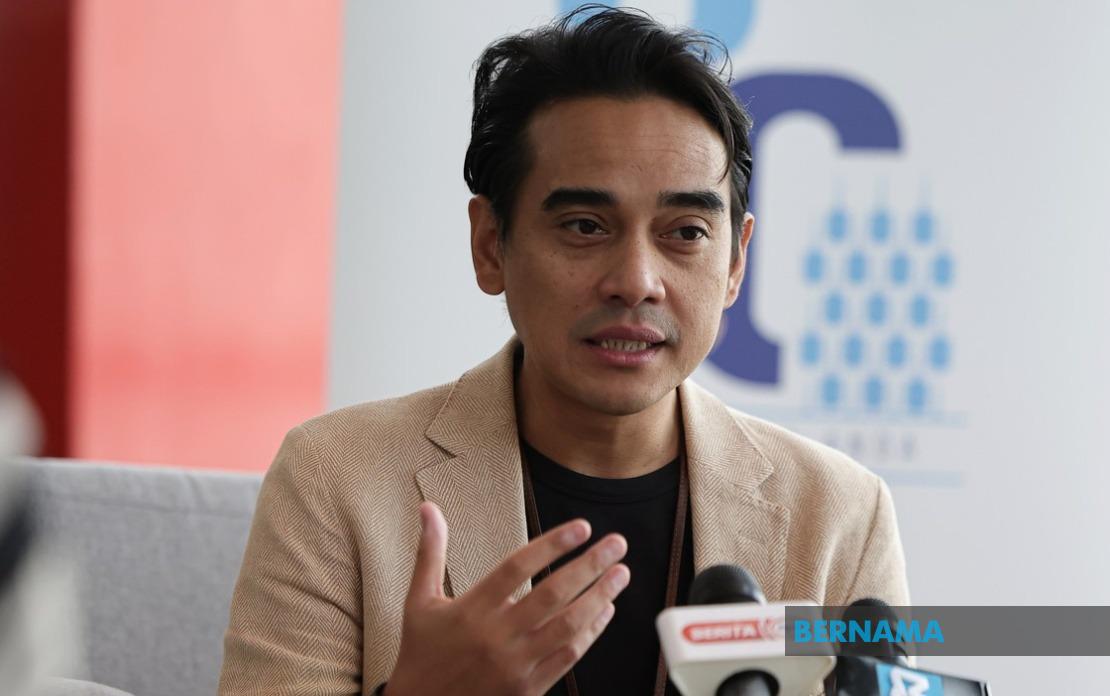
Ashwad Ismail, the Director-General of Broadcasting, has delivered a stark warning to Malaysia's media community: adapting to artificial intelligence is no longer optional but essential for professional survival. Speaking during an appearance on Bernama TV's The Nation programme in Kuala Lumpur on June 17, Ashwad framed the technological challenge facing newsrooms not as an existential threat but as an opportunity for those willing to evolve their skill sets and working practices.
The core of Ashwad's message centres on a crucial distinction between job displacement and professional obsolescence. Rather than predicting wholesale redundancies driven by automation, he argued that human journalists face a more nuanced danger: being outpaced by peers who have mastered AI integration into their reporting, editing, and production workflows. This formulation—that a journalist's career vulnerability stems from competition with digitally literate colleagues rather than literal replacement by algorithms—reflects growing industry consensus about how artificial intelligence will reshape media workplaces across Southeast Asia and globally.
Ashwad's characterisation of AI as a complement to human journalism, rather than a competitor to it, addresses a widespread anxiety affecting newsrooms from Kuala Lumpur to Bangkok and beyond. Media practitioners in the region have expressed concerns about job security as news organisations experiment with AI-powered tools for research, drafting, fact-checking, and content distribution. By reframing this technology as a capability enhancer rather than a labour replacement mechanism, Ashwad attempts to shift the conversation toward productive adoption rather than defensive resistance.
The emphasis on responsible implementation through clear guidelines reflects Malaysia's broader approach to technology governance. Ashwad stressed that newsrooms cannot simply import AI tools without establishing frameworks to ensure these systems enhance journalistic integrity and quality rather than compromise them. This concern carries particular weight in a regional context where media credibility and public trust face challenges from misinformation, polarised information ecosystems, and questions about editorial independence. Guidelines become essential guardrails, establishing which AI applications strengthen journalism and which might undermine it.
Malaysia's media landscape has undergone significant transformation over the past decade, with traditional outlets competing against digital-native organisations and social media platforms for audience attention and advertising revenue. In this pressurised environment, AI adoption could potentially amplify existing inequalities between well-resourced national outlets and smaller regional or community news operations. The Director-General's emphasis on enhancing journalistic products and human capacity suggests an intention that AI deployment should democratise professional capabilities rather than concentrate them among larger organisations.
Ashwad's discussion of trust-building introduces a counterpoint to pure technological optimism. He advocates for strengthening hyperlocal reporting and deepening community engagement as foundations for restored public confidence in news organisations. This approach acknowledges that technology alone cannot solve the credibility challenges facing media institutions. Instead, the human dimension—journalists genuinely understanding their communities, reporting on issues that matter locally, and maintaining transparent relationships with readers and listeners—remains foundational. AI tools, from this perspective, should free journalists from routine tasks and enable greater investment in relationship-building and in-depth local reporting.
The timing of these remarks coincides with broader Southeast Asian discussions about AI governance and professional standards. Countries across the region grapple with how to regulate artificial intelligence deployment in news production without stifling innovation or creating competitive disadvantages for domestic media companies. Malaysia's approach, as articulated by Ashwad, appears to favour proactive industry adaptation guided by professional standards rather than heavy-handed regulation.
For Malaysian journalists, the practical implications are significant. Newsrooms must begin investing in training programmes covering AI literacy, the capabilities and limitations of various tools, ethical frameworks for deployment, and strategies for maintaining editorial voice and journalistic independence amid technological change. Younger journalists entering the profession face different skill requirements than their predecessors, with digital literacy and technical understanding becoming as important as traditional reporting craft.
The conversation about AI in Malaysian journalism also occurs within a broader regional context. ASEAN nations increasingly collaborate on media issues through forums like HAWANA, which this year convenes in Penang with expected participation from over 1,200 media professionals and representatives from across the region. These platforms provide opportunities for sharing experiences with technology adoption, establishing common standards, and supporting smaller news organisations that lack resources for independent innovation.
Ashwad's message resonates particularly with independent journalists and smaller outlets that operate with minimal staffing. Rather than viewing AI as a luxury available only to major corporations, these practitioners might leverage automation for routine research, scheduling, distribution, and analytics—freeing limited human resources for investigation, interviewing, and analysis where journalism's unique value emerges. This democratising potential remains underexplored in many Malaysian newsrooms.
The challenge ahead involves more than technical training. Media organisations must cultivate organisational cultures that see AI as a tool serving journalistic mission rather than as an end in itself. This requires thoughtful editorial leadership, transparent policies about when and how AI augments reporting, and commitment to human judgment in all decisions affecting public understanding. Ashwad's framework suggests that Malaysian journalism can navigate AI adoption while strengthening rather than compromising its core functions and public responsibilities.

%22%2F%3E%3C%2Fpattern%3E%3C%2Fdefs%3E%3Crect%20width%3D%22100%25%22%20height%3D%22100%25%22%20fill%3D%22url(%23ph40buhg)%22%2F%3E%3Crect%20width%3D%22100%25%22%20height%3D%22100%25%22%20fill%3D%22url(%23ph40buhp)%22%2F%3E%3Ctext%20x%3D%2250%25%22%20y%3D%2250%25%22%20text-anchor%3D%22middle%22%20dominant-baseline%3D%22central%22%20fill%3D%22rgba(255%2C255%2C255%2C0.95)%22%20font-family%3D%22Georgia%2C%20'Times%20New%20Roman'%2C%20serif%22%20font-weight%3D%22700%22%20font-size%3D%22320%22%20letter-spacing%3D%22-0.02em%22%3EGRS%3C%2Ftext%3E%3C%2Fsvg%3E)