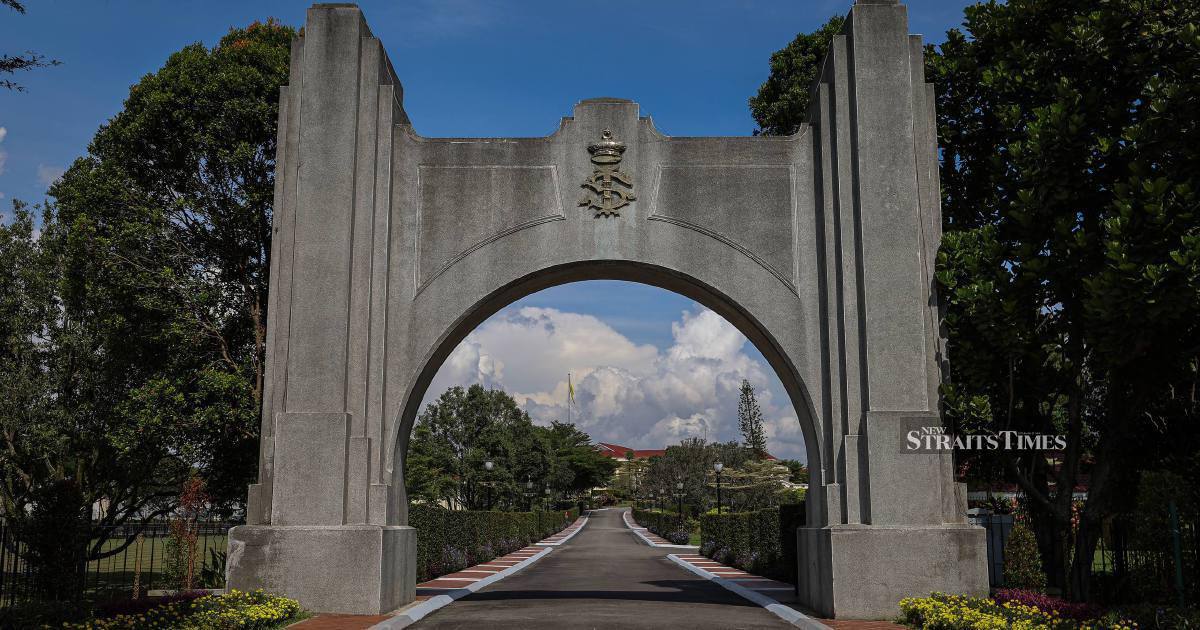
The ceremonial appointment and swearing-in of Johor's new menteri besar is scheduled to proceed today in Johor Baru, finalizing the leadership transition following Barisan Nasional's overwhelming triumph in the recent state election. The formal proceedings will mark the official commencement of the elected coalition's term at the helm of Malaysia's second-largest state by population and a major economic powerhouse in the nation.
Barisan Nasional's decisive victory represents a significant statement about political preferences in Johor, traditionally a competitive battleground in Malaysian politics. The magnitude of the BN win demonstrates renewed voter confidence in the coalition, which has faced considerable challenges over the past decade. For Johor specifically, the result reflects the electorate's choice to maintain continuity with the ruling coalition's policy agenda and governance approach during a period when economic recovery and development remain priority concerns.
The incoming menteri besar assumes leadership during a critical juncture for Johor's economic trajectory. The southern state has long served as a crucial growth engine for Malaysia, hosting major industrial zones, a significant port infrastructure, and serving as a gateway to Singapore. Economic performance, particularly in manufacturing, shipping, and services sectors, will likely dominate the early months of the new administration's focus, alongside addressing infrastructure maintenance and expansion needs that have accumulated over previous terms.
Johor's political dynamics carry implications extending beyond state boundaries. As one of Malaysia's most populous and economically significant states, the leadership direction established today influences broader national political trends. The BN victory here provides momentum for the coalition federally, suggesting that voters have retained faith in the establishment despite persistent governance concerns and competition from opposition parties. The state election result potentially reshapes perceptions about the political landscape heading into future national electoral cycles.
The swearing-in ceremony itself carries ceremonial significance reflecting Malaysia's constitutional monarchy system. The formal appointment process involves the Yang di-Pertuan Agong or the Sultan of Johor, depending on the specific constitutional arrangements, recognizing the elected menteri besar's authority to govern. This constitutional procedure underscores the formal transition of executive power and establishes the new administration's legitimacy within Malaysia's federal framework.
Historically, Johor has served as a testing ground for administrative approaches and policy innovations within Malaysia. The new menteri besar inherits precedents set by predecessors while facing contemporary challenges including urban congestion in rapidly growing cities like Johor Baru and Iskandar Puteri, environmental management concerns, and the need to balance development with sustainability. Previous administrations have grappled with these issues with mixed results, leaving the incoming leadership with both opportunities to implement fresh strategies and lessons from past experiences.
The composition of the new state cabinet, expected to be finalized alongside today's swearing-in or shortly thereafter, will signal the administration's priorities and leadership style. Cabinet selections typically reflect both party political considerations and perceived competencies of individual assemblymen or appointed representatives. The allocation of portfolios related to economic development, infrastructure, education, and public services will provide early indicators of how the BN administration plans to address Johor's most pressing challenges.
For businesses operating in Johor and investors considering the state, the change in leadership brings both continuity regarding BN's pro-business orientation and potential adjustments in specific regulatory approaches or development incentives. The new menteri besar's track record, if previously in elected office, and publicly stated priorities will influence market sentiment and investment decisions over coming months. Clarity on infrastructure projects, industrial policy, and business-friendly regulations will be closely watched by the commercial community.
Johor's relationship with the federal government also warrants attention, particularly given that both operate under BN leadership. This alignment typically facilitates resource allocation and coordination on major infrastructure initiatives spanning state and federal jurisdictions. However, tensions between state and federal priorities occasionally emerge, and the new menteri besar's management of this relationship will shape Johor's ability to secure federal funding and support for development projects deemed critical for the state's advancement.
The swearing-in today concludes one chapter in Johor's political evolution while opening another. The formal transfer of executive authority occurs within Malaysia's established constitutional traditions, yet the specific direction taken by the new administration will depend heavily on decisions made in coming weeks regarding cabinet composition, policy priorities, and resource allocation. Observers across Malaysia will monitor how effectively the incoming menteri besar translates the BN victory mandate into tangible improvements in governance, service delivery, and economic performance across Johor's diverse districts and communities.

