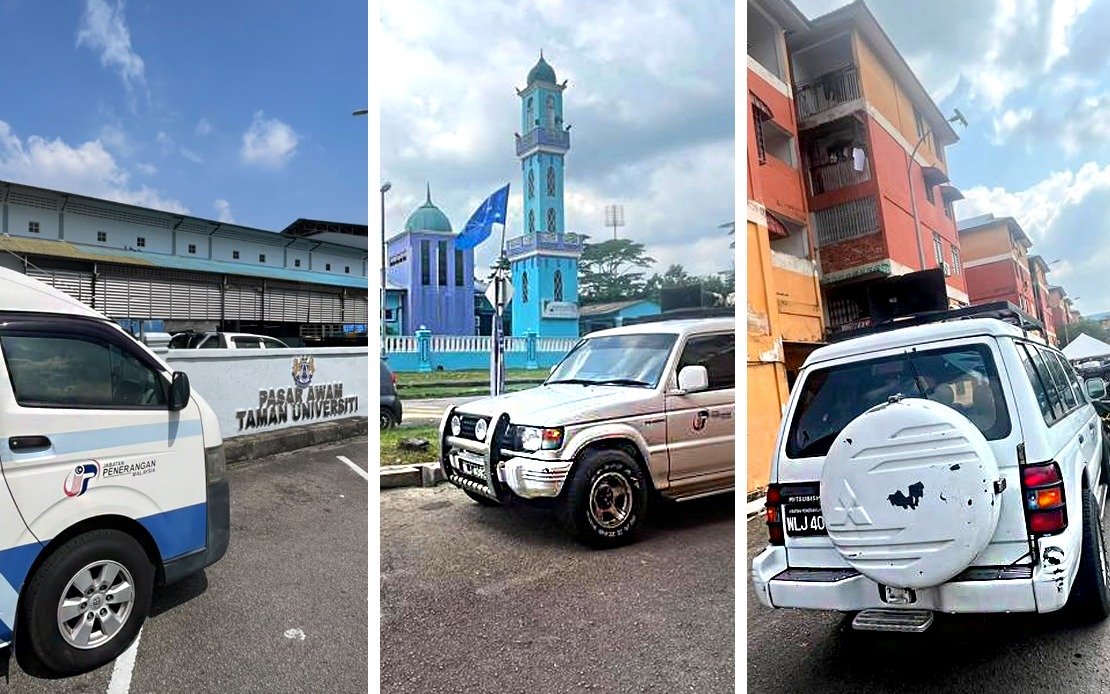
The Johor Department of Information (JAPEN) has fully activated 26 Info On Wheels mobile units as a comprehensive effort to ensure voters are well-informed and mobilized for the 16th Johor state election scheduled for polling day this Saturday. According to Johor JAPEN director Mohd Rizal Hashim, this deployment strategy represents a proactive approach to reaching the electorate, positioning the information campaign as one that comes to the people rather than waiting for citizens to seek out official communications themselves.
The geographic scope of the initiative is extensive, with mobile units strategically positioned across all ten districts and 56 state constituencies within Johor. This blanket coverage reflects an acknowledgment that voter engagement cannot be achieved through centralized messaging alone, particularly in a state as geographically diverse as Johor, which encompasses densely populated urban zones, sprawling residential suburbs, and remote rural communities. The deployment specifically targets varied population centers including traditional housing areas, Felda settlements, and Orang Asli villages, demonstrating recognition that different demographic groups may face distinct barriers to accessing election information.
Mohd Rizal emphasized that the timing and frequency of announcements will intensify significantly during the final three days preceding the election, with concentrated messaging during morning and evening hours when voter attention is likely highest. This tactical adjustment reflects understanding of voter behavior patterns and the psychological importance of last-minute reminders in encouraging participation. The announcements will focus on critical practical information including how voters can verify their registration status and strategic planning for their journey to polling stations, addressing both informational gaps and logistical concerns that might otherwise suppress turnout.
Beyond the distribution of basic electoral logistics, JAPEN's campaign carries a secondary but equally important objective rooted in information integrity. The department has identified election periods as particularly vulnerable to the proliferation of unverified claims and deliberately spread misinformation, a challenge that has become increasingly acute across Southeast Asia as social media platforms amplify false narratives. Recognizing this threat, JAPEN personnel will conduct face-to-face advocacy sessions designed to counter false information through direct dialogue and verification of facts, an approach that acknowledges the limited effectiveness of passive broadcast messaging when competing against viral misinformation.
The director's emphasis on creating a "peaceful and harmonious environment" underscores deeper concerns about election-related polarization and the role that unchecked false information plays in degrading democratic discourse. By positioning fact-checking and counter-narrative work as core functions of the state's information machinery, JAPEN is effectively arguing that informed voting cannot be separated from protected information ecosystems. This perspective has particular resonance in Malaysia, where election periods have occasionally been marked by inflammatory rhetoric and divisions amplified through digital channels.
Mohd Rizal articulated the broader philosophical framing of electoral participation, characterizing voting not merely as a citizen right but as a foundational responsibility through which the electorate determines the trajectory of state development, economic policy, and collective wellbeing over the subsequent five-year term. This reframing carries implications for how voters might evaluate their own engagement—by positioning elections as mechanisms through which citizens exercise genuine agency in determining governance outcomes, the messaging implicitly challenges voter apathy and disengagement that sometimes characterizes state-level polls in Malaysia.
The five-year governance cycle referenced in the director's remarks corresponds to Johor's established electoral timeline and reflects the significant policy implications contained within state-level elections, which determine control over education, local development, and resource allocation across the state government structure. For Malaysian voters, particularly those in Johor who may view state elections as secondary to federal ballots, such reminders regarding the substantive impact of state government decisions serve an important educational function.
The emphasis on advance planning and early journey preparation addresses a practical but often overlooked dimension of electoral participation. In Johor's context, where polling stations may be geographically dispersed and transportation infrastructure varies considerably across districts, logistical friction can meaningfully suppress voter turnout. By encouraging early planning and providing accessible information about polling locations and procedures, JAPEN aims to remove preventable barriers to participation.
The director's explicit warning regarding social media vigilance reflects recognition that misinformation operates at unprecedented scale and speed during electoral periods. Rather than positioning this as a problem for individual voters to solve independently, JAPEN frames it as a collective responsibility requiring state support and fact-checking infrastructure. This acknowledgment of state-level information management needs represents an evolving understanding within Malaysian governance institutions of how electoral integrity depends not only on procedural fairness but on information quality.
The deployment of mobile units rather than reliance on stationary information centers or digital channels alone suggests confidence in the continued effectiveness of direct, in-person communication despite Malaysia's relatively high digital penetration. This hybrid approach, combining traditional community engagement with modern mobile logistics, reflects pragmatic understanding that demographic segments—particularly older voters and those in areas with limited digital access—require face-to-face information provision to ensure equitable electoral participation.
For observers tracking voter engagement patterns across Southeast Asia's democracies, Johor's information campaign offers insight into how state-level authorities are responding to contemporary challenges of electoral mobilization and information integrity. The scale of deployment and the explicit targeting of misinformation suggest that Malaysian electoral management is evolving beyond purely procedural concerns to encompass the broader information environment within which voters make decisions.
The timing of this initiative, launched shortly before polling day, indicates last-minute efforts to maximize turnout during the critical final days when voter attention peaks. For Johor residents, particularly first-time voters or those unfamiliar with electoral procedures, the accessibility of JAPEN's mobile units during high-traffic hours and high-visibility locations offers practical opportunity to clarify questions and gather verified information from authoritative sources before entering the polling booth.

