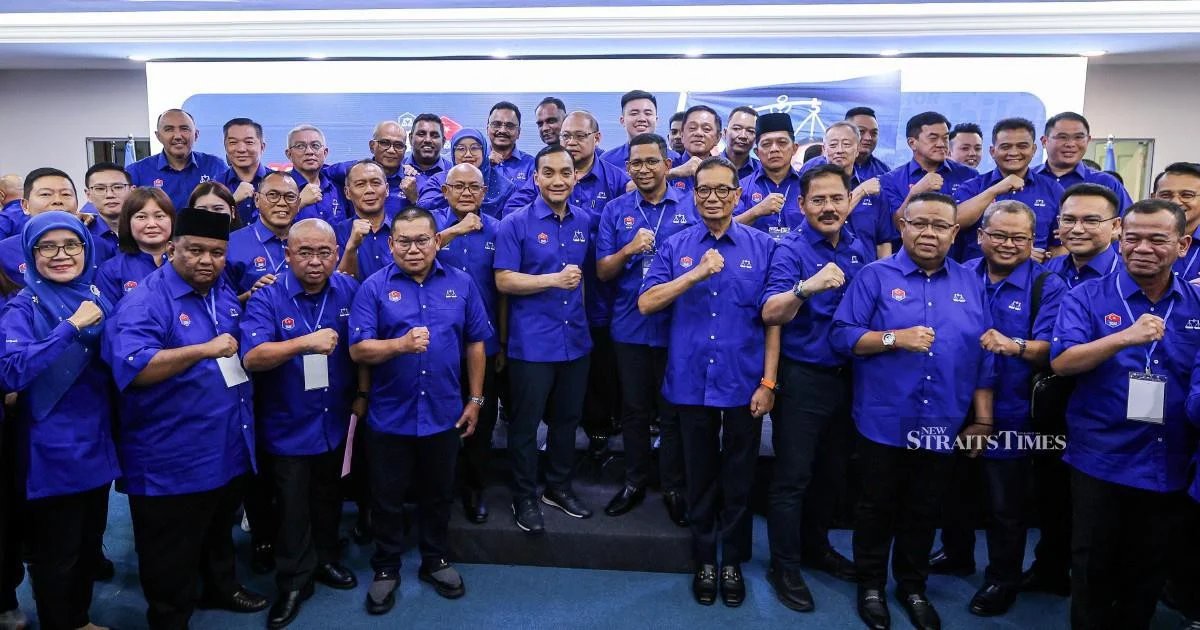
Fresh-faced candidates representing Barisan Nasional's coalition partners across Johor are rallying around a shared commitment to secure victory in the state election scheduled for July 11, marking a strategic deployment of new political talent in one of Malaysia's most fiercely contested electoral landscapes. The selection of these emerging figures signals the coalition's determination to revitalise its campaign machinery and connect with voters across the southern state, which remains a crucial proving ground for BN's political fortunes at the regional level.
Johor's political significance extends beyond mere state-level governance. As Malaysia's second-largest state by population and the nation's primary economic engine outside the Klang Valley, electoral outcomes here carry substantial implications for national politics. The state has historically served as a bellwether for broader political trends, making the July 11 contest particularly consequential for assessing the coalition's capacity to retain control in what has traditionally been one of its strongholds. The appointment of younger candidates reflects BN's recognition that revitalising its electoral appeal requires generational renewal alongside institutional continuity.
Barisan Nasional's component parties—principally UMNO, MCA, and MIC—have collectively identified these new faces as instrumental to broadening the coalition's appeal beyond its traditional voter base. The strategic deployment of fresh candidates addresses long-standing criticism that BN has relied excessively on entrenched political machinery, potentially limiting its ability to resonate with younger, more mobile, and increasingly digital-native electorates. Johor's electorate increasingly comprises first-time and younger voters whose political consciousness was shaped during periods of significant political turbulence, necessitating BN's recalibration of its messaging and messenger profiles.
The commitment articulated by these new candidates extends to substantive policy platforms addressing contemporary voter concerns. Beyond conventional coalition messaging, these individuals have indicated willingness to address pressing local issues including economic diversification, infrastructure development, and enhanced service delivery—domains where Johor's government performance directly influences voter perception. Their youth and perceived relative distance from historical controversies surrounding BN represent potential electoral assets in constituencies where voter sentiment has shifted toward alternatives in recent election cycles.
Johor's electoral landscape has demonstrated considerable volatility in recent contests. The state witnessed significant opposition gains in the 2018 general election, with Pakatan Harapan capturing multiple parliamentary seats. Subsequent state elections and by-elections have revealed fluctuating voter preferences, suggesting that electoral outcomes remain genuinely contested rather than predetermined. The deployment of BN's new generation reflects institutional acknowledgment that maintaining electoral competitiveness demands continuous organisational adaptation and candidate quality enhancement.
Geographically, Johor presents distinct electoral sub-regions with differing demographic compositions and policy priorities. Urban constituencies in Johor Baru, Iskandar Puteri, and other developed areas exhibit different voting patterns and information consumption habits compared to more rural districts. The selection of appropriately calibrated candidates—individuals with demonstrated understanding of specific constituency dynamics—indicates BN's sophisticated approach to candidate deployment. These new figures frequently bring backgrounds in commerce, professional sectors, and grassroots community engagement, positioning them as credible interlocutors with diverse voter constituencies.
The timing of this electoral contest carries additional significance given Malaysia's broader political calendar. National elections remain constitutionally permissible, creating a context where state elections increasingly function as de facto barometers of national sentiment. A decisive BN victory in Johor would substantially reinforce the coalition's narrative regarding institutional recovery and voter confidence restoration. Conversely, an opposition breakthrough would suggest persistent electoral vulnerabilities despite recent political repositioning and governance performance improvements.
Opposition coalitions, whether Pakatan Harapan, PN, or fragmented alternatives, similarly command considerable resources and have indicated intention to contest aggressively in Johor. The state thus represents contested political terrain where multiple coalitions perceive realistic victory scenarios. This competitive environment has elevated candidate quality expectations across all participating coalitions, as voters increasingly scrutinise individual candidate credentials alongside party platforms. BN's investment in new faces must therefore withstand direct comparison with opposition candidates offering alternative visions and demographic profiles.
The internal dynamics within Johor's BN component parties have influenced candidate selection processes. Power distributions among UMNO, MCA, and MIC frequently generate negotiation regarding constituency allocations and candidate nominations. The emergence of new candidates partly reflects efforts to navigate these institutional constraints while maximising electoral viability. Successful integration of new candidates within coalition governance structures remains ongoing, with established party hierarchies requiring reassurance regarding organisational loyalty and political reliability of these emerging figures.
Sustaining campaign momentum over several weeks preceding July 11 presents logistical and messaging challenges. New candidates must rapidly establish public profiles, develop substantive policy positions, and construct campaign organisations capable of competing with opposition machinery. BN's established grassroots infrastructure provides organisational advantages, yet younger candidates must authenticate themselves as more than party-selected alternatives to incumbent opposition representatives. Voter expectations regarding candidate accessibility, policy specificity, and demonstrated constituency understanding have intensified compared to previous electoral cycles.
The outcome of Johor's July 11 election will substantially influence Malaysian politics beyond the state level. For BN, a decisive victory would vindicate its generational renewal strategy and provide momentum for potential higher-level political contests. For opposition coalitions, success would demonstrate capacity to compete effectively in Malaysia's most economically significant states. For Malaysian voters, particularly those within Johor, this election represents a genuine choice between competing visions of governance, economic management, and political direction—rendered more meaningful by the substantive policy commitments increasingly articulated by these new-generation candidates across the political spectrum.

