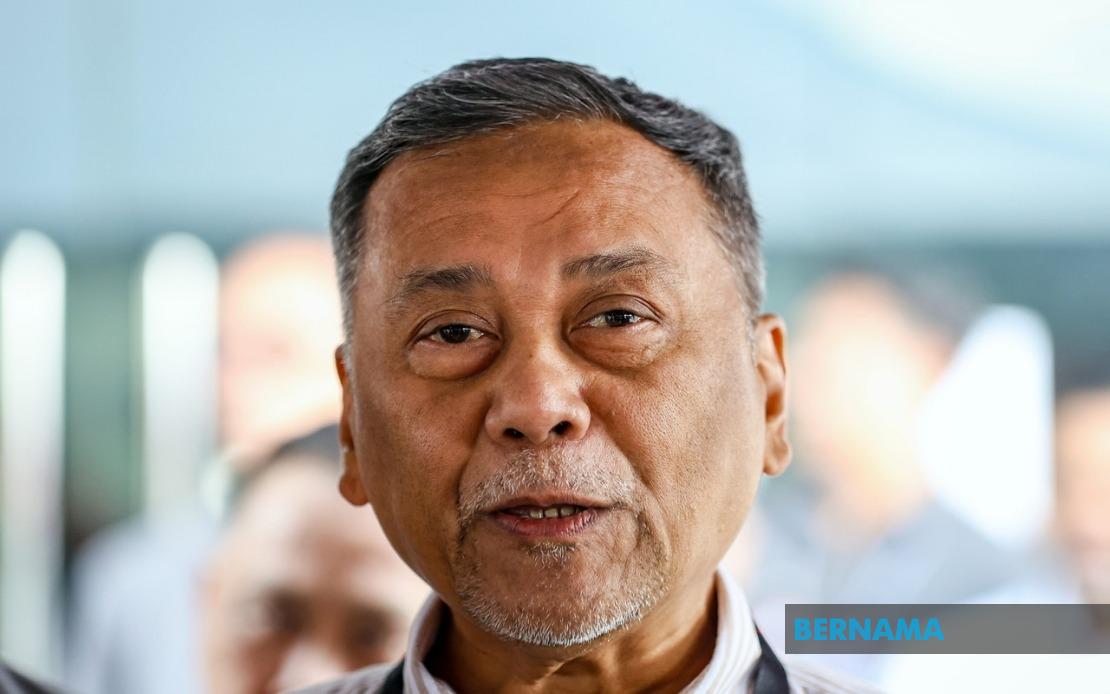
Voter enthusiasm is running high ahead of Johor's state election, with the Election Commission projecting that roughly 70 per cent of registered electors will cast their ballots. Datuk Seri Ramlan Harun, the EC chairman, attributed this optimistic forecast to observable trends during the campaign phase, which have demonstrated considerable public eagerness to participate in the democratic process.
Ramlan's projection reflects a broader pattern of increased civic interest that observers have noted throughout the polling period. The campaign trail has generated significant momentum, he explained, with candidates and parties actively engaging voters on key issues. This visible intensity of political activity, combined with the public's apparent willingness to exercise their voting rights, has formed the basis for the EC's assessment that participation could reach the 70 per cent benchmark.
The underlying strength of this projection stems partly from heightened public awareness regarding the significance of electoral participation. Ramlan emphasised that beyond the vigorous campaign activities themselves, voters appear to have developed a deeper appreciation for their role in shaping the state's political direction. This consciousness of civic responsibility has emerged as an important factor in driving the expected turnout, suggesting that Malaysians in Johor view this election as consequential to their collective future.
Approximately 2.7 million registered voters across Johor are eligible to participate in the election. This substantial electorate represents a significant cross-section of the state's population, and the EC's turnout projection suggests that the vast majority will likely exercise their franchise. For context, a 70 per cent turnout would translate to roughly 1.89 million votes cast, demonstrating the scale of electoral engagement that the commission anticipates.
Logistical planning for the election reflects the EC's commitment to ensuring smooth operations across diverse terrain and geography. Voting commenced at 8 am, with polling centres scheduled to close at varying times depending on their specific locations. The majority of centres, numbering 1,114, were set to close at 6 pm on election day. However, recognising Johor's geographic complexity, the EC established a tiered closure schedule accommodating remote island locations. Polling centres on Pulau Besar near Mersing closed at 11 am, while stations on Pulau Aur and Pulau Pemanggil shuttered at noon. An additional 42 centres closed at 4 pm, and 17 others at 2 pm, enabling logistical efficiency while respecting the constraints of island geography.
The operational burden of conducting this election across such varied terrain fell upon 43,036 election workers mobilised throughout Johor. These personnel were tasked with managing the voting process at all polling stations, ensuring compliance with electoral procedures, and maintaining the integrity of the ballot. This substantial workforce underscores the resource commitment required to administer democratic processes in a state as geographically and demographically diverse as Johor.
Postal voting, which has become increasingly important in Malaysian elections, saw 24,677 ballot papers issued to eligible voters unable to cast ballots in person. The EC stipulated that all postal votes had to reach its offices before the 6 pm deadline on election day, imposing a strict timeline that reflected both procedural requirements and the need for timely vote verification. This mechanism has become crucial for ensuring that Malaysians working outside their constituencies or facing mobility constraints can still participate meaningfully in the electoral process.
Transporting electoral materials from island locations presented particular logistical challenges that required meticulous coordination. The EC assured the public that ballot boxes and voting materials from remote islands would be transported according to carefully planned procedures, with contingency measures in place to address potential disruptions. Cooperation between the Election Commission, the Royal Malaysian Police, and the Malaysian Armed Forces created a multi-agency approach designed to ensure that no votes would be lost or compromised during the transportation process. This inter-agency coordination reflects the seriousness with which Malaysian authorities treat the integrity of elections, particularly in regions where geography might otherwise create vulnerabilities.
The 70 per cent turnout projection carries significance beyond Johor's borders. In Malaysia's federal system, state elections often serve as indicators of broader political sentiment and can influence national political calculations. Strong participation rates suggest that voters regard state-level politics as substantially important, challenging perceptions that state elections generate less interest than federal contests. For Johor specifically, such engagement reflects the state's political significance as a major population and economic centre whose electoral outcomes have historically influenced national political dynamics.
The EC's optimism about turnout must also be contextualised within Malaysia's recent electoral history. Previous state elections have demonstrated variable participation rates, with turnout influenced by factors ranging from weather conditions to perceived political importance of specific contests. The Johor election's projected 70 per cent rate, if realised, would represent substantial engagement, particularly given that some Malaysian voters express fatigue following closely spaced federal and state polls. The high public interest documented during campaigning suggests that this election resonated with Johor voters as genuinely consequential, rather than merely procedural.
Beyond the statistical projections, the EC's assessment of high public enthusiasm during the campaign period offers insights into voter attitudes. Elevated interest in the electoral process, when sustained throughout a campaign, typically correlates with voters' perception that their ballot carries real weight in determining outcomes and shaping policy. This perception of electoral significance—that voting genuinely matters—becomes essential for maintaining healthy democratic participation across successive election cycles. For Malaysian democracy more broadly, such engagement in state elections contributes to the legitimacy and vitality of electoral processes at all governance levels.

