The nomination phase of Johor's 16th state election came to an end on June 27 when all 56 nomination centres across the state shut their doors at 10am sharp, marking a significant milestone in the electoral calendar and clearing the way for the official campaign to begin. The one-hour window for candidates to submit their nomination papers operated from 9am onwards, with returning officers at each centre formally announcing the closure as the deadline passed. This procedural moment represents a critical juncture in the electoral process, as the state now pivots from candidate registration to active electioneering.
The culmination of nominations opens the door to the next phase, whereby the Election Commission will release the definitive roster of candidates deemed eligible to contest across the state's legislative seats. This announcement will shed light on the competitive landscape in each constituency, revealing which seats face multi-cornered contests and where candidates may run unopposed. The information released will be essential for voters preparing to make their choices at the ballot box and for political parties assessing their organisational strength heading into the campaign proper.
With nominations formally concluded, the Election Commission has triggered the 14-day campaign period, which runs uninterrupted until 11.59pm on July 10. This relatively compressed timeframe gives candidates and their parties limited opportunity to canvass voters, organise rallies, and communicate their platforms across traditional and digital media. The compressed schedule places a premium on campaign efficiency and strategic deployment of resources, particularly in marginal constituencies where vote margins are expected to be tight.
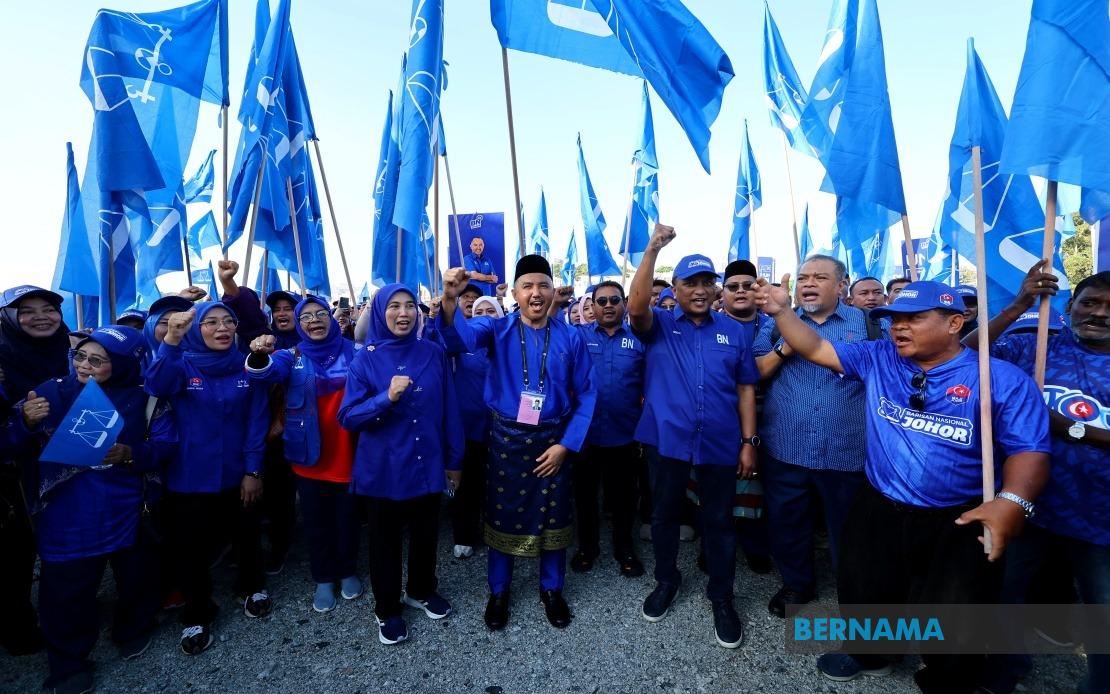
Procedures at the nomination centres reflected the professionalism and organisation expected of electoral administration. Supporters gathered at various locations to accompany candidates from their respective parties, lending visible support as nominees filed their papers. The atmosphere remained composed throughout, with security personnel from the police force and the People's Volunteer Corps maintaining order without incident or confrontation. This disciplined environment stands in contrast to election periods in other jurisdictions, where nomination centres have occasionally witnessed heated clashes between rival factions.
The electoral landscape encompasses a substantial voting population spread across Johor's constituencies. The Election Commission has registered 2,727,926 eligible voters, comprising principally 2,703,175 ordinary citizens entitled to vote in their respective constituencies. Beyond the civilian electorate, 12,041 military personnel and their spouses have been registered on the rolls, along with 12,710 police personnel and their families, recognising the electoral rights of these uniformed services and their immediate family members. This inclusive approach ensures that serving members of the security apparatus participate in the democratic process.
The Election Commission has structured the voting schedule to accommodate different categories of electors and provide flexibility for those unable to vote on the main day. Early voting has been scheduled for July 7, allowing military and police personnel, as well as other designated voters, to cast their ballots before the general election. This arrangement acknowledges the operational demands placed on security forces and ensures their democratic participation without compromising security operations. The main polling day itself falls on July 11, providing voters with a clearly marked deadline to exercise their franchise.
For Southeast Asian observers, the Johor election assumes particular significance as one of Malaysia's largest state polls, serving as a bellwether for broader political trends within the nation. The state has historically been a stronghold of the Barisan Nasional coalition, though recent electoral cycles have witnessed shifting allegiances and growing competition from opposition blocs. The results in Johor typically reverberate through Malaysian politics and offer insights into voter sentiment on national issues including economic management, cost of living pressures, and governance performance.
The security arrangements put in place during the nomination period underline the importance placed on maintaining electoral integrity and public order. The coordinated efforts of police and RELA personnel ensured that the nomination process proceeded without disruption, protecting both candidates and voters from potential intimidation or violence. This commitment to secure electoral administration reflects Malaysia's broader institutional investment in democratic procedures, despite occasional criticisms regarding campaign fairness and media access.
The campaign period ahead will test the organisational capabilities of contesting parties and the message discipline of candidates seeking to persuade voters. With just two weeks to mount comprehensive campaigns, parties must prioritise key constituencies and messaging themes, accepting that comprehensive ground coverage may be impossible given the timeframe. The condensed schedule also heightens the importance of pre-existing party structures, volunteer networks, and media relationships, potentially advantaging larger, more established political organisations.
For Malaysian voters and regional observers, the Johor election represents an important test of the nation's democratic vitality and the electorate's verdict on current government performance. The results will influence coalition dynamics at the federal level and potentially reshape parliamentary mathematics if major shifts occur. As the campaign formally begins, political analysts across Southeast Asia will closely monitor developments in this significant Malaysian state contest.

