The nomination phase of Johor's 16th state election proceeded without complications on June 27, with all 56 polling centres completing their duties without disruption or untoward events. The seamless conduct of the day reflects months of planning and coordination between election authorities and law enforcement, setting the stage for what promises to be a closely watched electoral contest in the southern state.
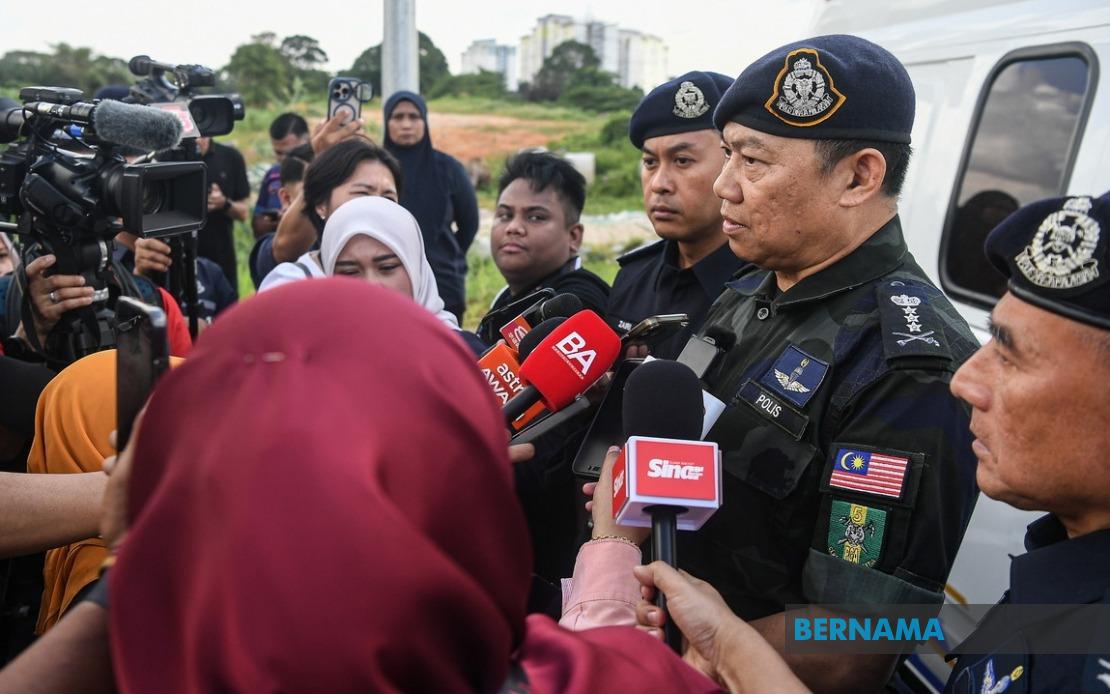
Johor police chief Datuk Ab Rahaman Arsad confirmed that his force had received zero reports of incidents capable of undermining the nomination process. This absence of trouble across such a large-scale operation involving thousands of candidates, party officials, and voters demonstrates the effectiveness of pre-election preparations. The police's proactive stance appears to have created an environment where political activity could proceed within established guidelines.
The scale of police deployment underscores the seriousness with which authorities approached the nomination day. Some 4,832 officers and personnel were positioned strategically across Johor, providing visible reassurance to voters and candidates alike. This substantial mobilisation reflects lessons learned from previous elections and recognition that maintaining order during nomination periods requires anticipatory planning rather than reactive response. The deployment also served a deterrent function, with candidates and supporters understanding that any breach of election conduct rules would face swift attention.
Campaign permits, a regulatory mechanism for controlling election activity, had been approved for 26 applications statewide by the time of the chief police officer's statement. Election officials anticipated issuing additional permits as the official campaign period progressed, indicating that the approval process was tracking on schedule. These permits, which restrict campaign locations and timings, represent the Election Commission's attempt to balance candidates' rights to campaign with the broader public's interest in order and safety during the election season.
Datuk Ab Rahaman's remarks to journalists included a direct appeal to political parties and candidates to conduct their campaigns within legal and ethical boundaries. This reminder, delivered at Sekolah Menengah Kebangsaan Bandar Dato Onn in Johor Bahru where he had observed proceedings for the Puteri Wangsa seat, reflected police concerns about potential flashpoints during the forthcoming campaign phase. Elections often generate heightened emotions and partisan intensity, particularly in states with competitive multi-party contests.
The police's explicit warning against actions threatening public order indicated awareness of particular risks during campaign periods. Physical confrontations between rival supporters, vandalism of campaign materials, and harassment of candidates and voters constitute serious concerns that have marred previous election cycles in Malaysia. By signalling preparedness to respond to such breaches, the police sought to establish clear boundaries for acceptable conduct while projecting confidence in their ability to manage escalation should it occur.
The Election Commission's scheduling of early voting for July 7 and polling day for July 11 provided voters with additional flexibility while maintaining a structured election calendar. Early voting particularly benefits those unable to cast ballots on the main polling day due to work commitments or travel. This two-stage voting approach, increasingly common in Malaysian elections, reflects contemporary recognition that a significant portion of the electorate requires accommodation to enable meaningful participation.
For Malaysian observers, Johor's election cycle carries particular weight given the state's historical significance and its status as a political bellwether. The state remains a stronghold for established parties while also testing ground for emerging political formations, making its electoral outcomes influential across the broader domestic political landscape. The smooth nomination process suggests that administrators have tightened procedures and that candidates respect electoral frameworks, though the relative ease of nomination day does not necessarily predict the competitive intensity to come during the campaign proper.
The contrast between nomination day's tranquility and the campaign period's typical partisan intensity reflects the different character of these electoral phases. Nomination days, though consequential, largely involve bureaucratic processes and individual candidate filings rather than mass mobilisation. Campaign phases, by contrast, generate public rallies, street activities, and direct voter engagement where tensions more readily surface. The police's deployment levels will likely remain elevated throughout this period, with particular attention to areas with tight contests or histories of electoral friction.
The incident-free nomination process also carries implications for Southeast Asia's broader democratic discourse. Malaysia's electoral system, whilst operating within established democratic frameworks, periodically faces criticism regarding fairness and administration. Smooth, orderly conduct of fundamental electoral procedures strengthens confidence in the system's basic competence, even when questions about voter distribution or campaign finance may persist. For regional observers monitoring Malaysian governance, the ability to conduct large-scale electoral processes without public order breakdowns remains noteworthy, particularly given the state's significant population and economic importance.
As Johor enters its campaign phase, the foundation laid by the uneventful nomination process offers electoral administrators a platform for maintaining similar standards. The cooperation demonstrated by political actors on nomination day, whatever their subsequent competitive behaviour, suggests that Malaysia's democratic culture retains basic adherence to procedural norms. Whether this civility extends through to polling day will depend on candidates' choices, voters' restraint, and authorities' continued vigilance during the weeks ahead.

