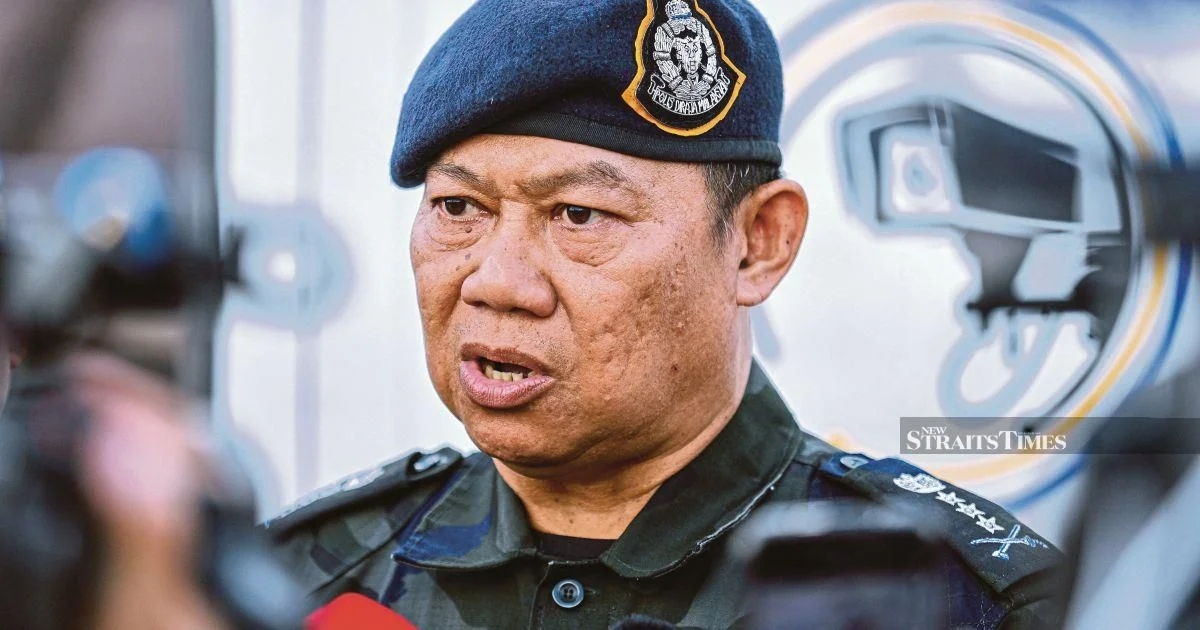
Johor police have begun formal investigations into three separate matters arising from seven election-related complaints lodged with authorities following the start of the nomination period. The decision to investigate only three of the seven reported incidents highlights a selective approach to alleged electoral irregularities, reflecting the force's assessment of which cases warrant formal police action and resource allocation.
The nomination day marks a critical juncture in any electoral process, serving as the formal gateway through which candidates become official contenders. The period following this deadline typically sees increased reporting of alleged misconduct, as campaign activities intensify and observers become more vigilant about potential violations of election regulations. In the context of Johor, Malaysia's southernmost state, these election-related complaints reflect the broader concerns about maintaining electoral integrity during the campaigning season.
Malaysia's electoral framework imposes strict guidelines on campaign conduct, with regulations governing everything from advertising practices to the use of public resources. When reports of violations reach police, they must determine which matters constitute criminal offences falling within their jurisdiction, as opposed to administrative breaches that election commission authorities might handle. The decision to investigate three of the seven cases suggests that police assessed these three as potentially involving criminal elements worthy of formal investigation.
The nature of the remaining four reports—those for which investigation papers were not opened—remains unclear. These may have included complaints that, upon initial police examination, appeared to lack sufficient evidence of criminal wrongdoing, or allegations that fell squarely within the purview of the Election Commission rather than law enforcement. This distinction matters significantly for stakeholders seeking accountability in the electoral process, as cases handled by different agencies follow different procedural pathways and may result in different outcomes.
Election-related investigations in Malaysia typically cover a spectrum of potential offences. These might include undisclosed funding, unauthorised use of government resources, defamation of candidates or parties, or incitement to vote in particular ways based on grounds prohibited under law. The types of allegations that trigger investigation often reflect concerns about fairness and equal opportunity in the campaigning environment, ensuring that no single candidate or party enjoys illegitimate advantages over competitors.
From a regional perspective, Malaysia's approach to investigating election complaints sits within established democratic frameworks found across Southeast Asia. Neighbouring countries similarly grapple with balancing the need to protect electoral integrity against concerns about selective prosecution or politically motivated investigations. The transparency with which authorities report on how many investigations are opened from how many reports becomes itself a matter of public interest, signalling whether the system operates consistently and fairly.
For Johor specifically, the state has experienced significant electoral competition in recent years, with campaigns increasingly involving digital media and grassroots mobilization. This changing landscape creates new challenges for regulators attempting to monitor compliance with election laws. Social media platforms, in particular, have become focal points for electoral disputes, as the speed and reach of online communication can amplify alleged breaches across constituencies before traditional enforcement mechanisms can respond.
The timing of these investigations—emerging after nomination day—establishes a baseline of reported electoral concerns at the outset of the formal campaigning period. As the election progresses, authorities will likely receive additional complaints, and decisions about which cases to investigate will accumulate into a fuller picture of the election's conduct. This early activation of investigation papers suggests police are taking their monitoring responsibilities seriously, though the ratio of reported cases to investigated cases will merit continued scrutiny.
Stakeholders across Johor's political spectrum have vested interests in how these investigations proceed. Opposition parties may view selective investigation patterns as evidence of bias, while the government may contend that the criteria applied ensure only substantive cases consume police resources. Civil society organisations and election observers typically monitor these patterns closely, producing reports that contribute to public assessment of electoral administration quality and impartiality.
The investigation papers themselves represent just the beginning of a potential enforcement process. Not all cases that progress to investigation stage will result in charges or convictions. The investigations must gather evidence, interview witnesses, and establish the factual foundations necessary to substantiate allegations. This process can extend well beyond election day, sometimes concluding months or years after polls close, which raises questions about whether delayed justice adequately serves the purpose of maintaining electoral integrity.
For voters in Johor, the existence of these investigations may provide some reassurance that irregularities do not go unexamined. Simultaneously, the relatively small number of investigations opened relative to reports received might prompt questions about whether complaints are being appropriately assessed or if some genuine breaches are slipping through without formal scrutiny. These tensions between accessibility of the complaints process and rigorous investigation standards define electoral administration challenges globally.
Moving forward, both police and the Election Commission must maintain clear communication about the boundaries of their respective jurisdictions and investigations. When overlaps occur—as they frequently do in electoral matters—coordinated efforts prevent both duplication and gaps in accountability. The Johor situation underscores how election-related disputes depend not just on the initial receipt of complaints, but equally on transparent, consistent application of investigative criteria that commands public confidence.

