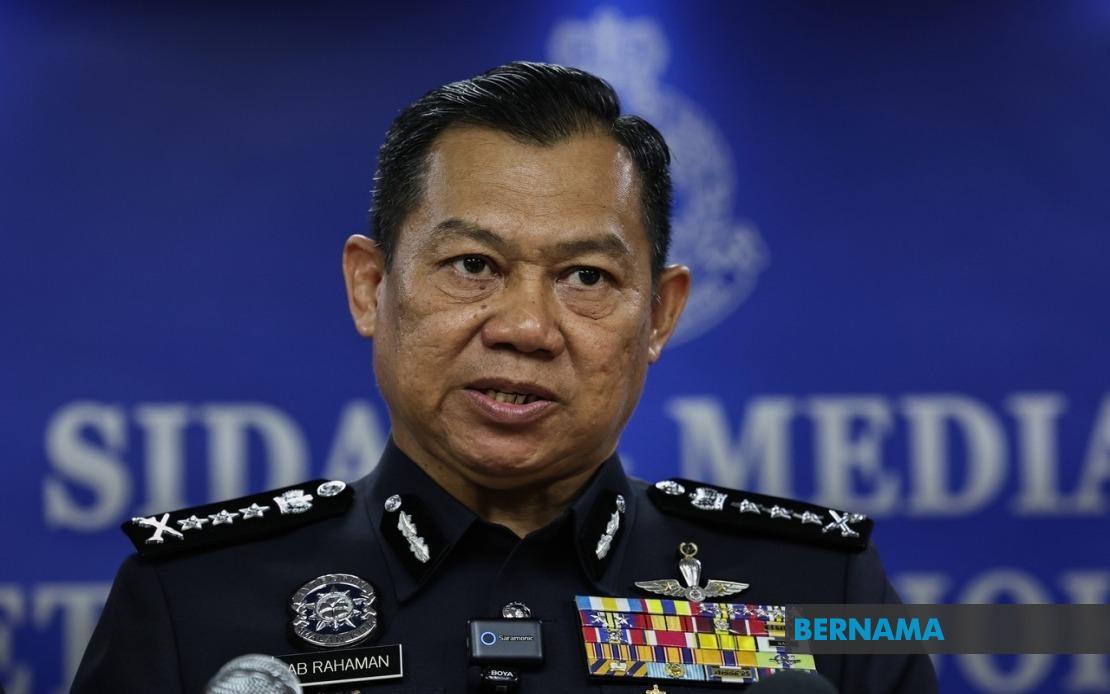
The Johor police force has greenlit more than 4,000 permit applications for political gatherings and campaign activities connected to the 16th Johor state election, demonstrating the scale of electioneering activity across the southern state during this crucial democratic exercise. Between June 27 and July 8, authorities processed 4,053 approvals from the total 4,368 applications submitted, reflecting a 92.8 per cent approval rate that underscores the general compliance of political parties with regulatory requirements. This high approval ratio suggests that campaign organisations generally adhered to procedural guidelines when seeking authorisation for their scheduled events.
Johor police chief Datuk Ab Rahaman Arsad revealed in a statement that the final 48 hours of this approval period witnessed heightened submission activity, with 884 applications received on July 7 and 8 alone. Of these late applications, 838 earned approval after meeting the mandatory conditions stipulated by law enforcement authorities. The clustering of permit applications towards the election deadline reflects the typical pattern observed in Malaysian electoral campaigns, where organisers rush to schedule final rallies and public events before polling day arrives.
Throughout the entire campaign period, the security and public order environment in Johor remained stable and manageable according to police assessments. Datuk Ab Rahaman emphasised that the police force had actively supervised all political activities to guarantee compliance with applicable legislation and to safeguard public safety and community tranquillity. This proactive monitoring approach reflects best practices in election management, where law enforcement balances the democratic freedoms of political participants with the legitimate state interest in maintaining order during sensitive periods.
Despite the vast majority of campaign activities proceeding without incident, police recorded a number of violations during the campaign window. Between July 7 and 8 specifically, authorities received 17 reports of potential election-related offences and initiated four separate investigation papers. One investigation was launched under Section 4A(1) of the Election Offences Act 1954, which addresses the criminal promotion of ill will or hostility between groups—an offence that carries particular weight during elections when community divisions can run high and inflammatory rhetoric threatens social cohesion.
A second investigation file was opened targeting alleged defamation and misuse of digital communication platforms. This case invoked both Section 500 of the Penal Code, which criminalises defamatory statements, and Section 233 of the Communications and Multimedia Act 1998, which prohibits improper deployment of network services. The dual legal framework demonstrates the modern approach to election law enforcement, recognising that campaign misconduct increasingly occurs in digital spaces requiring specialist provisions.
Two further investigation papers addressed property damage allegations under Section 427 of the Penal Code, suggesting that some campaign activities had descended into vandalism or destruction of materials. Such incidents, while relatively minor compared to serious election offences, nevertheless require formal investigation to establish whether deliberate mischief occurred and whether particular individuals or organisations bore responsibility.
When viewed cumulatively across the entire campaign approval period from June 27 through July 8, police statistics reveal a broader pattern of electoral conduct. Authorities received 73 total reports of suspected election offences and formally opened 22 investigation papers across all offence categories. This overall rate of reported violations—approximately 1.6 incident reports per day and one investigation paper every 1.7 days—suggests that while most campaigners operated within legal boundaries, a persistent minority engaged in conduct that triggered law enforcement response.
Datuk Ab Rahaman declared that any breaches of election law would face firm action, applied fairly and with professional integrity, leaving no room for selective enforcement or political favouritism. This commitment to even-handed law enforcement carries particular significance in Malaysian electoral contexts, where public confidence in the integrity of elections depends partly on the perception that authorities apply rules without partisan bias. The police statement serves as notice to all candidates and campaign organisations that violations will not be overlooked regardless of which party commits them.
The approval of permit applications and management of campaign-related offences during the 16th Johor state election reflects the maturation of electoral administration in Malaysia's most developed state. The high approval rate demonstrates that political parties have learned to navigate regulatory requirements effectively, while the recorded violations indicate that the system functions as designed—permitting broad political expression whilst constraining conduct that threatens public order or democratic fairness. For Malaysian observers and regional analysts watching Johor's electoral processes, these outcomes suggest a election administration operating within normal parameters, neither excessively permissive nor unjustly restrictive of political participation.

