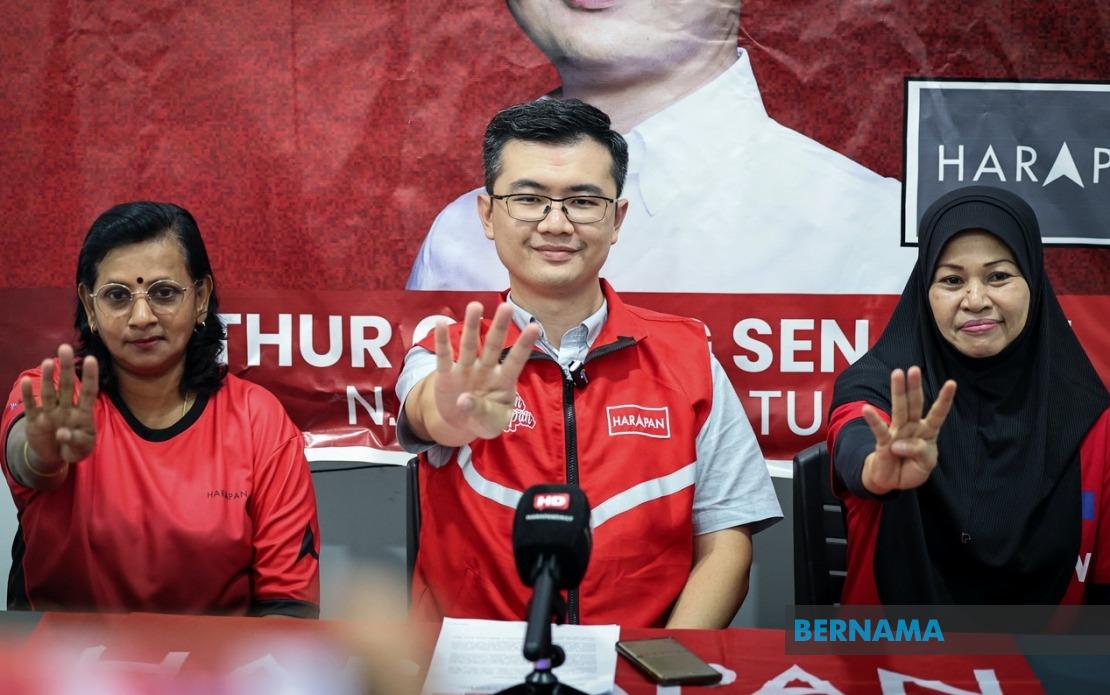
With Johor's state election set for July 11, incumbent Bukit Batu assemblyman Arthur Chiong Sen Sern from Pakatan Harapan is mounting an aggressive campaign drive to mobilise voters, betting that turnout above 60 per cent will strengthen his chances of retaining a seat he won by the narrowest of margins three years ago. Speaking at his campaign headquarters in Kulai, the PH representative emphasised that achieving higher voter participation would significantly improve his electoral prospects, underscoring how turnout dynamics can reshape outcomes in closely contested constituencies.
Chiong's defensive posture reflects the precariousness of his 2022 victory, when he secured the Bukit Batu seat with merely 137 votes separating him from his nearest challenger. In Malaysian electoral mathematics, such minimal margins create perpetual vulnerability, particularly when demographic shifts, campaign momentum, or voter sentiment can swing dramatically between polls. His deliberate focus on turnout targets suggests both an understanding of this vulnerability and confidence that energised voter participation favours his coalition's organisational capabilities and ground machinery.
The campaign intensity in Bukit Batu has visibly escalated, with PH's party machinery conducting daily door-to-door and community engagement activities across the diverse constituency. Chiong reported receiving positive feedback from voters across racial lines, a critical indicator in Malaysian politics where multiethnic support coalitions determine electoral viability. The feedback suggests his messaging has gained traction and that his grassroots team has effectively penetrated different community segments, addressing their specific concerns and aspirations.
Among the seven electoral commitments Chiong has outlined are initiatives spanning economic development, infrastructure modernisation, and social welfare. These include establishing a data centre industry career pathway to attract technology sector investment, widening the FT001 road corridor and installing intelligent traffic management systems to ease congestion, upgrading primary health clinic facilities, intensifying youth intervention programmes targeting vape and drug abuse, revitalising local tourism potential, expanding educational infrastructure, and providing subsidised vernacular language tuition. Each pledge targets tangible problems affecting daily lives, moving beyond abstract policy rhetoric.
Chiong characterised these seven determinations not merely as campaign promises but as extensions of work he claims to have already begun during his current term. This framing attempts to position him as a proven executor rather than a novice, arguing that returning him to office ensures continuity of established initiatives rather than risking disruption through political transition. The emphasis on continuity holds particular weight in constituencies where voters perceive tangible development progress occurring.
A notable aspect of Chiong's campaign messaging is his invocation of mature politics culture, citing respectful conduct among contesting candidates who exchange well-wishes despite electoral competition. While such rhetoric might appear superficial in hardened political environments, it carries weight in Malaysian contexts where voter fatigue over acrimonious campaigns creates appeal for candidates projecting civility and community-focused rather than personality-driven contest frameworks. This positioning may resonate particularly with centrist voters uncomfortable with polarisation.
The voter turnout threshold Chiong targets holds historical context. The 2022 Johor state election achieved approximately 54.9 per cent turnout across the state, providing a baseline against which Bukit Batu's performance will be measured. Reaching 60 per cent represents roughly a five percentage point improvement, a meaningful but achievable target that requires mobilising additional voters while maintaining existing support bases. Higher turnout typically benefits better-organised coalitions with superior ground networks, suggesting Chiong's confidence in PH's machinery superiority in this constituency.
Geographically, Bukit Batu represents a complex electoral unit encompassing urban, semi-urban, and developing areas within Johor's Kulai district. This heterogeneity demands multifaceted campaigning addressing distinct constituent groups—urban professionals concerned with traffic and healthcare access, business operators invested in tourism and economic development, parents focused on educational quality, and families affected by drug and substance abuse issues. Chiong's diverse commitment portfolio appears calibrated to address these varied constituencies.
The early voting schedule, commencing July 7 ahead of the main polling day, creates additional mobilisation opportunities. Parties aggressive in early voting campaigns can identify soft support and concentrate final week resources on persuading undecideds and mobilising supporters least likely to vote on election day. PH's intense campaign suggests they are leveraging early voting to build momentum rather than treating it as a supplementary mechanism.
For Chiong personally, this election represents a critical career juncture. Retaining his seat validates his first-term performance and positions him for greater responsibilities within PH and potential cabinet consideration in future Johor administrations. Conversely, loss would interrupt his political trajectory and signal voter rejection despite claimed achievements. This personal dimension typically translates into maximum campaign exertion, explaining the reported intensity of efforts.
The broader Johor election context remains competitive, with multiple coalitions contesting and previous results demonstrating voter willingness to split support across parties. Bukit Batu's outcome will contribute to PH's overall performance and potentially influence broader coalition negotiations regarding state government formation. Individual seat dynamics thus carry implications transcending local concerns.
Chiong's stated confidence in voter wisdom and their absolute right to select representatives reflects democratic framing that positions elections as rational deliberative exercises rather than zero-sum competitions. Whether this rhetorical emphasis translates into actual campaign tone remains evident only through observer assessment of ground conduct during remaining campaign days before July 11's polling.

