The Johor State Election Dialogue is proceeding on schedule for Tuesday, July 7, even though Menteri Besar Datuk Onn Hafiz Ghazi will be absent due to other official commitments. The dialogue, a joint initiative by RTM, Astro AWANI and Sinar Harian, represents an important platform for election discourse in the state just days before voters head to the polls. The event takes place at the RTM Auditorium under the Johor Broadcasting Department, commencing at 8 pm, and is expected to draw approximately 200 participants spanning various government departments, agencies and MADANI Communities.
The confirmation of Onn Hafiz's non-attendance came from his office, with an aide stating plainly that the Menteri Besar was not included in the programme itinerary. This development occurred despite RTM, Astro AWANI and Sinar Harian having extended formal invitations to both Onn Hafiz and his opposition counterpart to participate in what was designed as a balanced electoral debate. The one-hour format was intended to give both participants equal opportunity to articulate their respective visions, policy platforms, priority initiatives and proposed solutions to matters affecting Johor's electorate.
Among those confirmed to participate is Communications Minister Datuk Fahmi Fadzil, whose presence signals the federal government's engagement with the dialogue. On the opposition side, Dr Maszlee Malik, the Pakatan Harapan candidate contesting the Puteri Wangsa state seat, is expected to take part in the proceedings. His participation ensures that the discourse will include substantive alternative perspectives on governance and policy direction for the state.
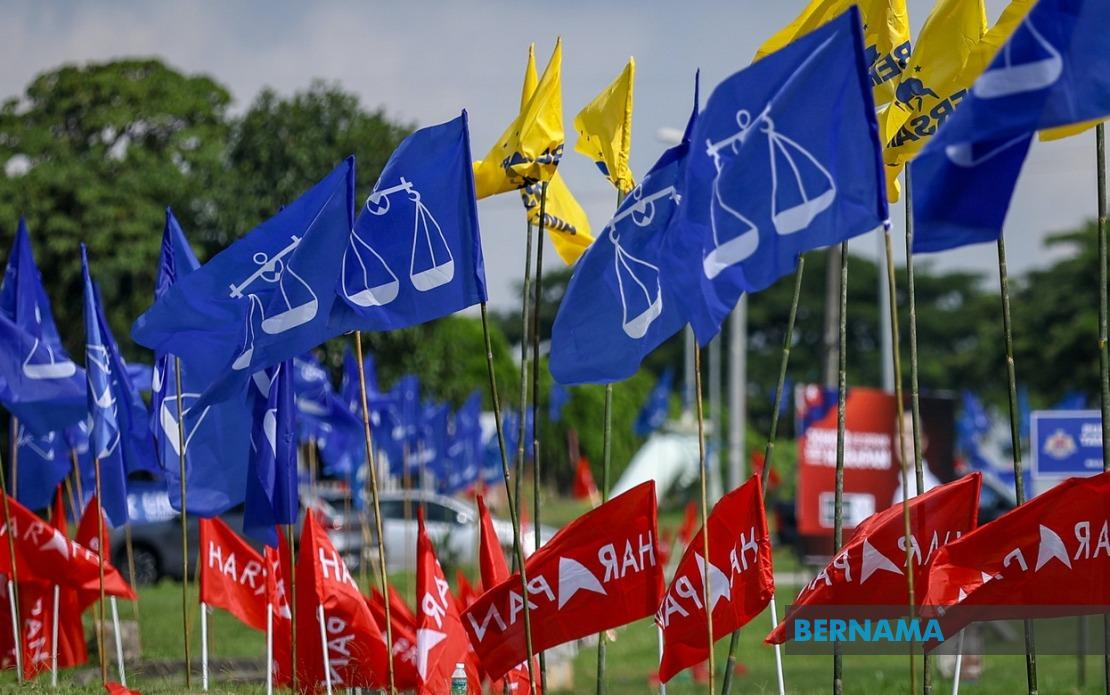
The timing of this dialogue is particularly significant given the electoral calendar. The 16th Johor State Election involves a substantial field of 172 candidates competing for 56 available seats across the state. Polling day is set for July 11, with early voting opportunities provided on July 7—the same day as the dialogue. This compressed timeline means that such public forums become crucial venues for undecided voters to hear directly from political figures about their platforms and positions.
For Malaysian observers, Onn Hafiz's absence raises questions about the priorities and messaging strategy of the ruling coalition at this critical juncture. The Menteri Besar's non-attendance, while explained away as scheduling conflicts, potentially signals that the government is either confident in its position or has chosen to focus resources elsewhere. His absence also means the dialogue will lack the incumbent's direct defence of the state administration's record, a notable omission in what was billed as a balanced electoral platform.
The inclusion of broad representation from government departments and MADANI Communities suggests that state authorities intended the dialogue to be more than a simple two-way political debate. The composition of the audience reflects an effort to engage the entire machinery of state governance in the electoral discourse, though this approach also risks creating an environment where government presence and perspective may overshadow opposition messaging.
From a regional perspective, Johor's electoral contest carries implications beyond the state's borders. As Malaysia's southernmost peninsula state and home to significant economic activity, Johor's political direction influences investor confidence and federal-state relations. The quality and substance of pre-election dialogue in this jurisdiction therefore matters not only for local governance but also for broader assessments of how Malaysian democracy functions at the state level.
The decision to proceed without the incumbent Menteri Besar also reflects broadcast standards and editorial choices by RTM, Astro AWANI and Sinar Harian. These organisations clearly determined that the dialogue retained sufficient value and relevance even with Onn Hafiz's absence, suggesting they viewed the event's utility as extending beyond a simple head-to-head encounter between two individual political leaders.
As voters consider their choices ahead of July 11, such public dialogues provide essential information about candidates' positions and their ability to articulate policy under scrutiny. The absence of one key figure—however it is explained—inevitably shapes the contours of the conversation that voters will witness and potentially use to inform their decisions. Whether this ultimately affects voter behaviour or perceptions of the competing parties will only become apparent once polling concludes.

