The Malaysian Communications Ministry is taking a coordinated approach to supporting media operations during Johor's upcoming state election, deploying a substantial network of information and broadcasting infrastructure across the state. Working alongside the Information Department (JaPen), the ministry has created two flagship media centres alongside 100 National Information Dissemination Centres (NADI) distributed throughout Johor to facilitate coverage of the 16th state election scheduled for July 11. This comprehensive infrastructure represents a significant investment in ensuring that journalists and news organisations have adequate resources to report on the campaign period and polling day events.
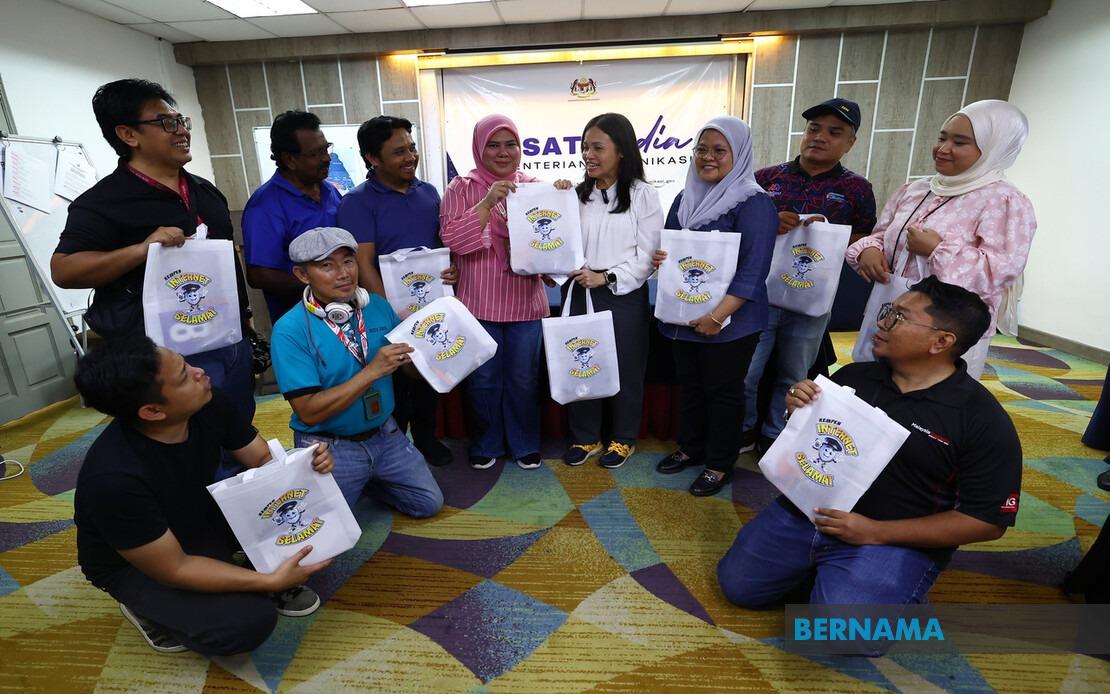
Deputy Communications Minister Teo Nie Ching outlined the scope of the initiative during a visit to the main media centre at Hotel Seri Malaysia in Johor Bahru on June 28. The two primary hubs—one at the hotel in Johor Bahru and another at NADI Kampung Sawah Awok in Muar—will operate during extended hours from 9 am to 9 pm daily, commencing on June 26 and continuing through to election day on July 11. This schedule ensures that media personnel working across different shifts and covering various aspects of the campaign will have continuous access to facilities during the critical period leading up to voting.
Connectivity remains central to the ministry's strategy for supporting modern journalism in the digital age. The media centres are guaranteeing minimum internet speeds of 100 Mbps, a specification designed to eliminate potential bottlenecks when journalists need to transmit high-resolution video footage, photographs, and live content to their respective news organisations. This technical commitment addresses a persistent challenge in election coverage, where multiple journalists simultaneously uploading multimedia material can overwhelm inadequate bandwidth. By establishing this baseline standard, the ministry acknowledges the realities of contemporary news production and the expectations of media outlets operating in Johor.
Beyond internet connectivity, the infrastructure includes a full complement of equipment that editorial teams require for their work. Both centres are outfitted with laptop and desktop computers, photocopiers, and printing devices—resources that allow journalists to process interviews, verify information, and prepare materials for publication or broadcast without needing to return to their home offices. For foreign and out-of-state correspondents covering the election, such on-site facilities can substantially improve operational efficiency and reduce the logistical complexities of sustained reporting from multiple locations across Johor.
The ministry has also tasked the Malaysian Communications and Multimedia Commission (MCMC) with monitoring telecommunications infrastructure throughout the campaign period. This regulatory oversight aims to ensure that private telecommunications companies maintain internet service quality across their networks, recognising that media coverage depends not only on the dedicated media centres but also on the broader connectivity ecosystem serving Johor. The MCMC will actively supervise service providers to prevent performance degradation during peak usage periods when election-related news is generating exceptional demand for bandwidth.
In an effort to enhance network monitoring capabilities, Teo encouraged the public to download the MCMC Nexus application, which enables real-time assessment of internet signal strength at specific geographic locations. This crowdsourced approach to network diagnostics allows the commission to identify dead zones and areas experiencing substandard service. The ministry has explicitly addressed privacy concerns associated with such data collection, clarifying that personal information will not be captured or shared—only technical metrics relating to location and signal quality will be transmitted to telecommunications companies for service improvement purposes. This transparency represents an attempt to build public confidence in the monitoring initiative.
The election period is also prompting broader conversations about maintaining campaign integrity and preventing the spread of misinformation. Teo reminded political parties and their supporters that campaign conduct should prioritize healthy democratic discourse while scrupulously avoiding sensitive matters relating to race, religion, and royalty. Given the sensitivity of these topics within Malaysian society and their potential to inflame tensions, this reminder carries particular weight. The MCMC has committed to collaborating with law enforcement agencies to identify and remove social media content deemed to contain elements of extreme provocation, establishing a front against inflammatory online speech during the campaign.
The ministry's approach reflects acknowledgment that digital misinformation poses distinct challenges during electoral periods. Recognising this landscape, the Communications Ministry has publicly commended the Malaysian Media Council for establishing a dedicated fact-checking platform. By encouraging citizens to verify information before sharing it on social media networks, the ministry is attempting to shift responsibility for information quality toward individual users whilst providing them with authoritative resources. This multi-layered strategy—combining infrastructure support for professional journalists, regulatory oversight of telecommunications, monitoring of social media for harmful content, and public encouragement of fact-checking—reflects an increasingly sophisticated understanding of the information environment during elections.
The infrastructure deployment also carries implications for Malaysia's broader digital development narrative. The decision to establish 100 NADI centres demonstrates the government's recognition that digital divides persist across regions, and that ensuring equitable access to information infrastructure during significant civic events requires deliberate investment. For Johor specifically, this allocation of resources signals confidence in the state's media ecosystem and an intention to facilitate thorough coverage of an important electoral exercise. The provision of high-speed internet and professional facilities represents a practical commitment to enabling both established news organisations and emerging digital media outlets to function effectively during the campaign.
For journalists working throughout Johor during this period, the infrastructure represents a meaningful improvement in operational conditions. Early voting occurs on July 7, with main polling day following four days later on July 11. The timing of the media centre establishment—commencing two weeks before early voting—provides an extended window for journalists to familiarize themselves with facilities, test technical systems, and establish workflows before needing to report under time pressure. This preparation period should contribute to smoother coverage of both the campaign trail activities and the logistics of election day itself, ultimately enhancing the information available to voters making their democratic choices.

