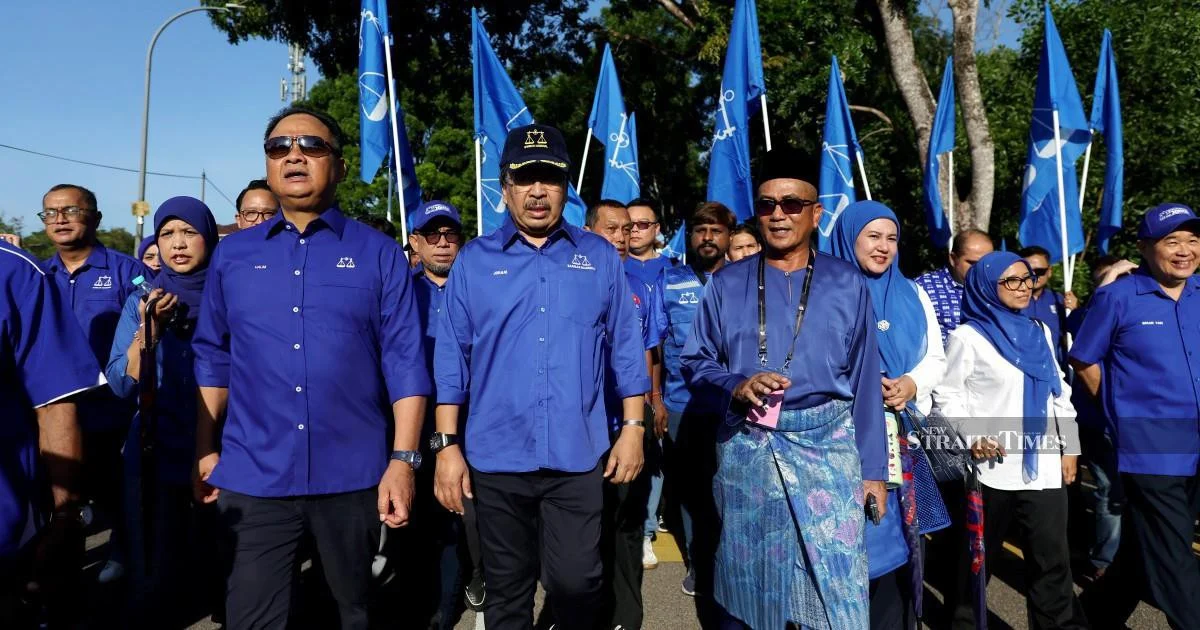
Umno vice-president Datuk Seri Johari Abdul Ghani stepped up his political outreach efforts by visiting the Taman Pelangi Indah community hall in Johor Baru to throw his weight behind Barisan Nasional's push for the Tiram seat, underlining the coalition's determination to maintain its grip on one of the peninsula's most strategically important states.
The appearance by Johari, a senior party figure with significant influence within Umno's hierarchy, signals the heightened importance placed on the Tiram contest as Barisan Nasional prepares for electoral challenges in Johor. His presence at the community gathering represents a deliberate strategy to energise grassroots supporters and consolidate the coalition's traditional voter base in the constituency.
Tiram occupies a notable position within Johor's political landscape, serving as a bellwether for wider trends affecting the state and federal government. The seat has historically been contested territory, with results often reflecting broader sentiment toward Barisan Nasional's governance and popular confidence in the ruling coalition. Victory in such constituencies proves critical for maintaining the party's electoral momentum and legitimacy across the state.
Johari's intervention reflects the intensifying competition for voter attention across Johor's state and parliamentary seats. The presence of senior leadership at community engagement events has become standard practice in modern Malaysian politics, allowing party elites to connect directly with constituents, address local grievances, and reinforce party messaging through trusted figures within the establishment hierarchy.
The Taman Pelangi Indah hall gathering brought together local party machinery, grassroots volunteers, and resident voters keen to engage with national leadership. Such events serve multiple functions within Umno and Barisan Nasional's broader campaign architecture, functioning simultaneously as morale-boosting exercises for party cadres and public demonstration of organisational vitality to the electorate.
Johor's political dynamics have shifted considerably in recent years, with the state experiencing significant electoral volatility that challenged traditional assumptions about Barisan Nasional's invulnerability. The coalition's absolute dominance throughout the latter twentieth century gave way to more competitive contests that demanded greater attention to grassroots sentiment and constituent concerns. This evolution explains why senior figures like Johari now regularly traverse constituencies to maintain direct contact with voters.
The Tiram campaign reflects broader strategic calculations within Barisan Nasional regarding resource allocation and political priority-setting. Resources devoted to particular constituencies reveal leadership assessments about which seats require maximum effort to retain or recapture. The deployment of senior vice-presidents to campaign events signals confidence in the candidate's viability while simultaneously acknowledging competitive challenges that necessitate elevated political intervention.
Community halls like Taman Pelangi Indah have emerged as central venues for political engagement in Malaysian electoral contests, providing neutral ground where residents from diverse backgrounds can encounter party representatives and participate in democratic discourse. These spaces facilitate the transmission of party messaging while simultaneously gathering intelligence about constituent priorities and anxieties that might inform policy positioning.
For Malaysian voters and political observers monitoring Johor's trajectory, Johari's presence in Tiram exemplifies the ongoing competition between established political forces seeking to maintain their influence against evolving voter preferences and emerging political alternatives. The intensity of senior leadership engagement in individual state seats reflects recognition that modern elections demand sophisticated ground-level operations supported by recognisable national figures capable of generating media attention and amplifying party messages.
The campaign environment across Johor demonstrates how state elections now function as crucial testing grounds for political strategy, technological innovation, and messaging approaches that subsequently influence federal-level competitions. Barisan Nasional's performance across Johor's competitive constituencies will significantly shape perceptions about the coalition's underlying strength and capacity to govern effectively, with implications extending throughout the peninsula and influencing calculations about future federal alignments.
Johari's mobilisation efforts underline the disciplined, hierarchical approach characteristic of Umno's political machinery, wherein senior figures systematically coordinate grassroots activities across multiple constituencies to optimise campaign impact. This vertical integration of national and local campaign operations has historically provided the party with organisational advantages that compensated for occasional policy missteps or leadership controversies.

