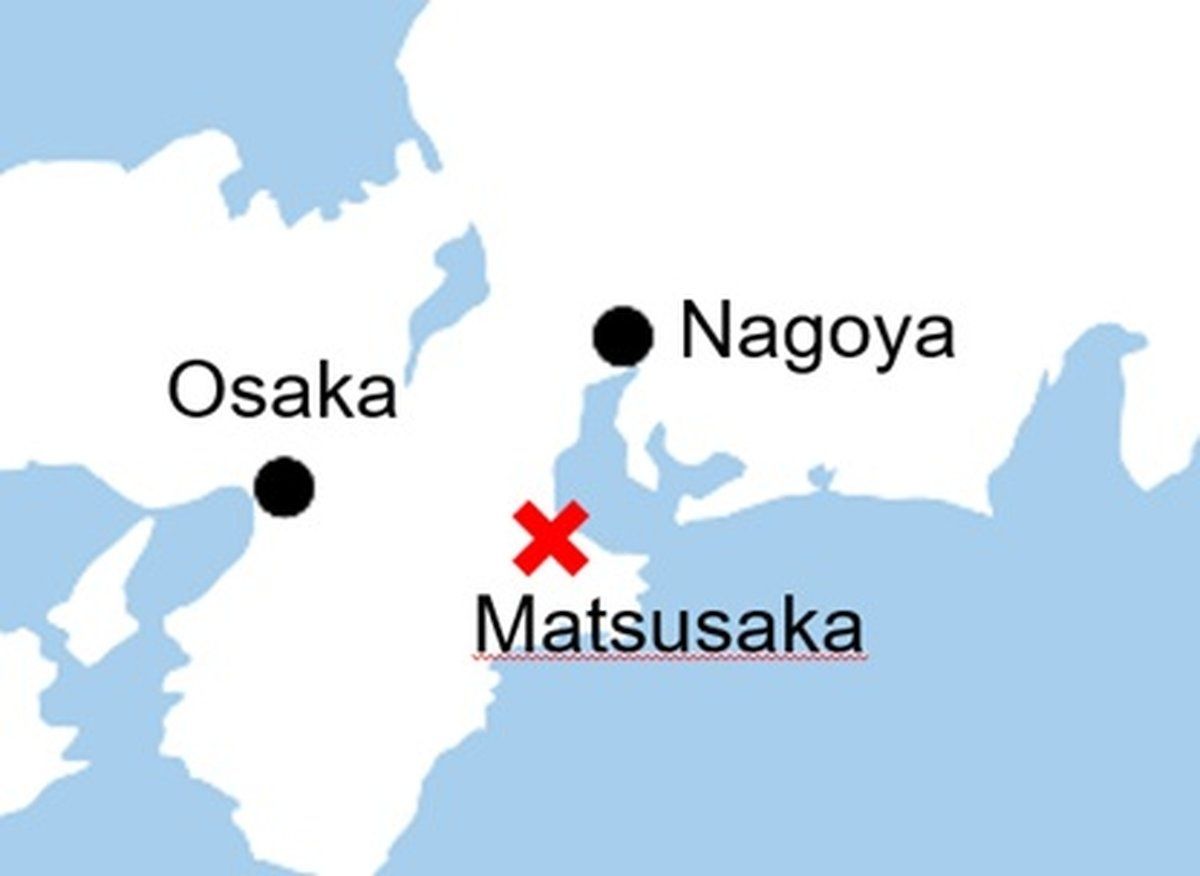
A 35-year-old resident of Matsusaka in Mie Prefecture, Japan, faced arrest on Thursday following allegations that he confined his partner's five-year-old daughter inside a garbage can as a form of punishment. The incident, which occurred on May 12 at approximately 6:30pm at his partner's residence, has prompted renewed concerns about child welfare practices and the definition of acceptable disciplinary measures in Japanese households.
The suspect has reportedly acknowledged his involvement in the incident, according to police records. Investigators determined that he physically carried the young girl to a garbage receptacle, placed her inside, and secured the lid, effectively trapping her within the confined space. The child remained enclosed for roughly five minutes before being released. The man characterised his actions as a disciplinary measure, a claim that has raised questions about parenting practices and the boundaries between correction and child abuse within the broader community.
The victim sustained no physical injuries during the five-minute ordeal, though the psychological impact of such confinement on a young child remains a matter of concern for child protection specialists. The incident came to official attention more than a week later, on May 20, when a child welfare centre became cognisant of the situation and subsequently reported the matter to law enforcement authorities. This delay in reporting highlights the challenges child protection agencies face in identifying abuse cases, particularly when incidents occur within private residences away from the scrutiny of schools, neighbours, or other community observers.
Following the notification, authorities moved to ensure the safety of other vulnerable individuals in the household. The victim's older sister was taken into protective custody by the child welfare centre, indicating that investigators suspected a pattern of potentially harmful behaviour or an environment requiring intervention. The decision to remove both children from the home underscores the severity with which Japanese authorities treat such cases and reflects international standards prioritising child safety above family reunification in instances of alleged abuse.
This case exemplifies a persistent tension in many societies, including Malaysia and other Southeast Asian nations, regarding the distinction between traditional discipline and child abuse. While corporal punishment remains socially accepted in various cultural contexts across the region, cases involving extreme confinement or deprivation challenge community norms and prompt legislative reconsideration. Japan, despite its advanced economy and education system, continues to grapple with incidents that suggest gaps in child protection awareness among certain segments of the population.
The incident also underscores the importance of inter-agency communication and reporting mechanisms within child welfare systems. The eight-day gap between the May 12 incident and the May 20 notification represents a critical window during which the child remained in potential jeopardy. More efficient early warning systems, whether through school observations, healthcare provider alerts, or community reporting channels, could potentially reduce such intervals and prevent further harm.
For Malaysian readers, this case resonates within a regional context where child protection remains an evolving policy area. Malaysia's own child protection framework, including the Child Act 2001, defines physical punishment and confinement as potential forms of abuse, yet enforcement and public awareness vary significantly across states. The case from Mie Prefecture serves as a cautionary example of how even developed nations encounter challenges in preventing child maltreatment and highlights the necessity of robust reporting systems and swift intervention protocols.
The broader implications extend to questions about parental education and support services. In many jurisdictions, including Japan, parents struggling with child-rearing face limited access to counselling, anger management, or alternative discipline training programmes. The arrested man's admission and the stated rationale of "discipline" suggest a fundamental misunderstanding of effective parenting approaches, pointing to a need for public education campaigns and accessible parenting resources that can prevent such incidents before they occur.
This incident also raises questions about the role of household observers and community vigilance in protecting children. The fact that the situation was not reported until eight days later suggests that neighbours, relatives, or others aware of the incident either did not recognise its severity or were reluctant to intervene—concerns that resonate across Malaysian and Southeast Asian communities where family privacy is traditionally respected but child safety must remain paramount.