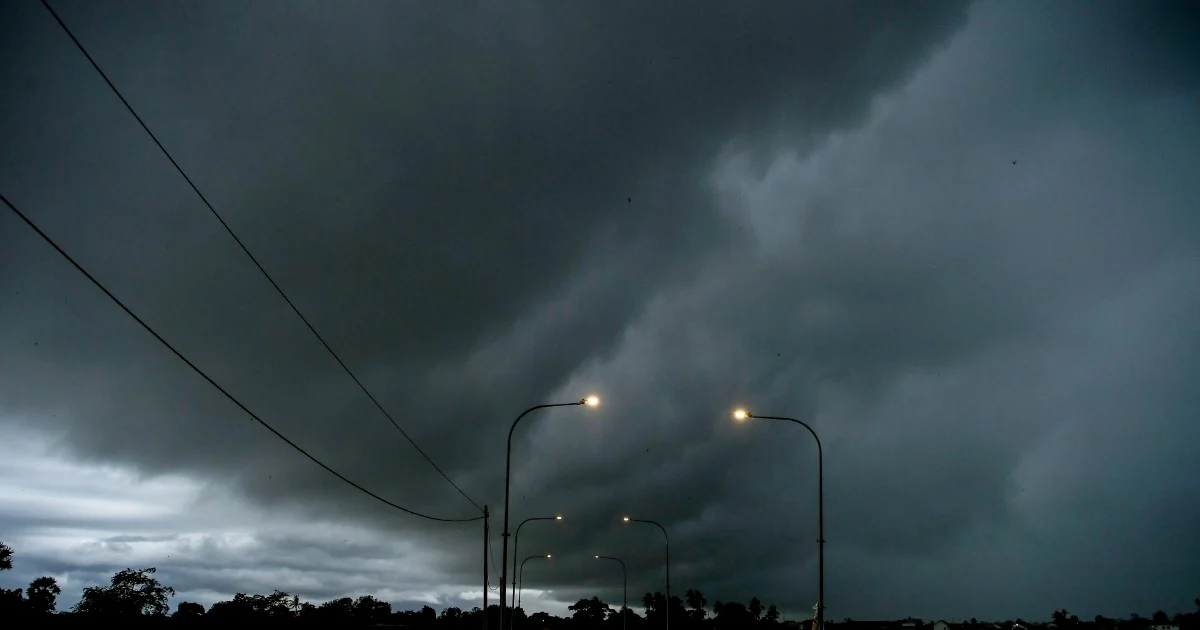
The Malaysian Meteorological Department has issued an active weather alert for today, forecasting severe thunderstorms coupled with substantial rainfall and potentially damaging wind gusts across multiple regions of the country. The warning encompasses significant portions of Peninsular Malaysia alongside the East Malaysian states of Sabah and Sarawak, with the adverse conditions expected to persist until 5pm this evening.
Thunderstorms of this intensity typically develop during Malaysia's inter-monsoon periods or when atmospheric instability reaches critical levels. The combination of thunder, lightning, and heavy precipitation creates hazardous conditions that warrant public awareness and precautionary measures. Strong winds accompanying such weather systems can cause structural damage, disrupt outdoor activities, and complicate road transport, particularly for high-sided vehicles and motorcycles.
Residents across the affected regions should expect intermittent to continuous rainfall over the coming hours, with some areas potentially experiencing localized flash flooding. Low-lying areas, urban drainage systems with poor water management, and regions prone to waterlogging are at elevated risk during such weather events. The unpredictability of these storms means conditions could deteriorate rapidly with minimal warning.
Commuters and road users are advised to exercise heightened caution during travel. Reduced visibility caused by heavy rain and lightning flashes, coupled with slippery road surfaces, increases accident risks substantially. Those planning essential journeys should allow extra travel time and avoid routes through flood-prone areas. Public transportation operators may also implement service adjustments or delays in response to challenging weather conditions.
Strong winds present particular dangers to outdoor structures, temporary installations, and elevated constructions. Loose objects in residential and commercial areas may become projectiles, while weakened structures could experience partial collapse. Industrial sites, construction zones, and areas with aging infrastructure warrant special attention, as such facilities face heightened vulnerability during severe weather events.
For individuals working outdoors or in weather-exposed occupations, the department's alert suggests reconsidering non-essential outdoor activities during the warning period. Construction sites, agricultural operations, and open-air commercial establishments should implement safety protocols to protect workers and equipment. Event organisers managing outdoor gatherings should prepare contingency plans or consider rescheduling activities.
The timing of this warning extends through the early evening hours, meaning the peak of the alert will coincide with the tail end of the business day and the beginning of the commute home. Schools and workplaces in affected areas should monitor conditions and communicate promptly with staff and students regarding any necessary precautions or schedule modifications. Decisions regarding afternoon dismissals and operational adjustments may need to be made quickly as conditions develop.
MetMalaysia's alert system plays a crucial role in public safety during Malaysia's tropical climate, where rapid weather changes are characteristic. The department continuously monitors atmospheric conditions using satellite imagery, radar systems, and ground-based instruments to provide timely warnings that enable residents and authorities to take preventive action. Citizens are encouraged to remain alert to official updates throughout the day, as weather forecasts may be refined as conditions evolve.
Utility companies and emergency services have typically activated preparedness protocols when such warnings are issued. Power supply disruptions caused by downed power lines or equipment damage are possible, particularly in severely affected areas. Emergency response teams may position resources strategically to respond swiftly to weather-related incidents, including vehicle accidents, tree falls, and flooding incidents.
For those unable to shelter indoors during this period, appropriate precautions include avoiding high-risk areas, staying away from loose objects and unstable structures, and keeping mobile communication devices charged. Individuals should refrain from using electrical appliances unnecessarily and avoid activities involving water until conditions improve. Schools and public institutions have emergency response protocols in place to manage large groups of people during adverse weather events.
The meteorological department recommends that residents maintain awareness of official updates through conventional media channels, social media platforms, and emergency alert systems. Real-time information about developing conditions, revised forecasts, and localised warnings may be issued as the weather situation progresses. Following official guidance and exercising individual judgment based on local conditions can significantly reduce weather-related risks.
While thunderstorms of this magnitude are not uncommon in Malaysia's tropical environment, they nonetheless demand respect and careful preparation. The convergence of heavy precipitation, violent wind, and electrical activity creates conditions that can prove dangerous for unprepared populations. Communities that maintain awareness and respond promptly to official warnings typically experience minimal disruption and injury during such events.
%22%2F%3E%3C%2Fpattern%3E%3C%2Fdefs%3E%3Crect%20width%3D%22100%25%22%20height%3D%22100%25%22%20fill%3D%22url(%23ph3jfadg)%22%2F%3E%3Crect%20width%3D%22100%25%22%20height%3D%22100%25%22%20fill%3D%22url(%23ph3jfadp)%22%2F%3E%3Ctext%20x%3D%2250%25%22%20y%3D%2250%25%22%20text-anchor%3D%22middle%22%20dominant-baseline%3D%22central%22%20fill%3D%22rgba(255%2C255%2C255%2C0.95)%22%20font-family%3D%22Georgia%2C%20'Times%20New%20Roman'%2C%20serif%22%20font-weight%3D%22700%22%20font-size%3D%22320%22%20letter-spacing%3D%22-0.02em%22%3EPM%3C%2Ftext%3E%3C%2Fsvg%3E)
%22%2F%3E%3C%2Fpattern%3E%3C%2Fdefs%3E%3Crect%20width%3D%22100%25%22%20height%3D%22100%25%22%20fill%3D%22url(%23ph5x5nvg)%22%2F%3E%3Crect%20width%3D%22100%25%22%20height%3D%22100%25%22%20fill%3D%22url(%23ph5x5nvp)%22%2F%3E%3Ctext%20x%3D%2250%25%22%20y%3D%2250%25%22%20text-anchor%3D%22middle%22%20dominant-baseline%3D%22central%22%20fill%3D%22rgba(255%2C255%2C255%2C0.95)%22%20font-family%3D%22Georgia%2C%20'Times%20New%20Roman'%2C%20serif%22%20font-weight%3D%22700%22%20font-size%3D%22320%22%20letter-spacing%3D%22-0.02em%22%3EPAS%3C%2Ftext%3E%3C%2Fsvg%3E)