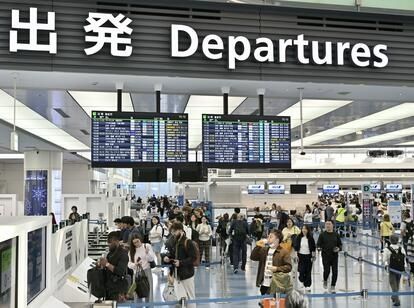
Japan has taken decisive steps to address mounting pressures from record visitor numbers by implementing significant increases to departure taxes and visa fees, marking a notable shift in the country's approach to managing inbound tourism. On July 1, the government tripled the departure tax from 1,000 yen to 3,000 yen per person, raising the cost for all travellers departing from Japanese ports and airports regardless of nationality. The increase represents a substantial jump in the financial burden placed on outbound passengers, collected at the point of ticket purchase by airlines, cruise companies and travel agencies before remittance to government authorities.
The restructured visa system accompanying the departure tax increase signals an even more dramatic policy change. Foreign visitors requiring visas to enter Japan now face substantially higher charges, with single-entry visas jumping to 15,000 yen and multiple-entry visas climbing to 30,000 yen. This represents the first adjustment to visa fees since 1978, reflecting decades of deferred price increases and positioning Japan's charges within the competitive range of other developed economies. According to Foreign Minister Toshimitsu Motegi, the revisions account for cumulative inflation and the depreciation of the yen against major currencies, while officials have indicated the adjustments are unlikely to deter significant numbers of prospective visitors in the near term.
The revenue implications of these increases are substantial. The departure tax, officially designated the international tourist tax, generated approximately 49 billion yen during fiscal 2025 and is projected to yield around 130 billion yen in the following fiscal period. These funds address a genuine problem facing Japan's tourism sector: the concentration of visitors in iconic locations has created genuine operational and experiential challenges. Popular photography locations and heritage sites face severe congestion, with overcrowding affecting both visitor satisfaction and the preservation of cultural assets. The Japanese government intends to deploy this expanded revenue stream toward strategic interventions designed to redistribute visitor flows across the nation.
Capital improvements represent a key element of the government's tourism management strategy. Funds will support infrastructure projects aimed at redirecting international visitors toward regional destinations and away from saturated urban hotspots. Railway systems in less-visited prefectures will receive investment to establish themselves as tourist attractions, while station renovations will enhance the experience for travellers exploring areas beyond Tokyo and Kyoto. These initiatives reflect recognition that overtourism concentration damages both local communities and the visitor experience, necessitating systemic redistribution rather than simple capacity management at popular sites.
The government has also established designated zones at frequently congested attractions, particularly premium photography locations where crowd management has become increasingly problematic. These managed areas aim to provide structured visitor experiences while reducing bottlenecks and safety concerns. The approach acknowledges that Japan's tourism growth, while economically beneficial, has created externalities requiring active management and infrastructure adaptation. Regional tourism development initiatives complement these infrastructure investments, creating incentives for visitors to venture beyond conventional itineraries.
Balancing the increased costs imposed on travellers, the Japanese government simultaneously reduced passport fees for its own citizens, offsetting some of the burden from the elevated departure tax. Applicants aged 18 and older applying at designated counters for ten-year passports now pay 9,300 yen, down substantially from the previous 16,300 yen. Those seeking five-year passports, whose fees previously varied by age, now pay a standardized 4,800 yen. Online applications receive further discounts, with ten-year passport fees dropping to 8,900 yen and five-year applications available at 4,400 yen. This dual approach distributes the adjustment burden between domestic citizens and international visitors.
The government's rationale for reducing domestic passport fees extends beyond mere compensation for the departure tax increase. Japan's passport ownership rate remains comparatively low relative to other major advanced economies, suggesting significant untapped demand for international travel among Japanese citizens. By reducing financial barriers to passport acquisition, officials hope to encourage more Japanese to hold valid documents, supporting both leisure and business travel sectors. The standardization of fees across age groups simplifies the application process and removes former pricing inconsistencies that may have deterred younger applicants.
Certain traveller categories receive exemptions from the new departure tax structure. Transit passengers spending fewer than 24 hours in Japanese territory are excluded from the levy, as are children under two years of age. Notably, passengers who purchased tickets before the July 1 implementation date remained subject to the previous 1,000 yen rate, providing a transition window for those with advance bookings. These carve-outs demonstrate policy sophistication in targeting revenue collection toward actual extended-stay visitors while minimizing disruption to connecting flights and young families.
The departure tax increase occurs within the context of Japan's evolving relationship with international tourism. The country experienced explosive growth in visitor arrivals during the post-pandemic recovery period, straining infrastructure in popular destinations and generating both economic benefits and social friction. The visa fee increase, the first since 1978, reflects recognition that Japan's previously low visa costs had contributed to accessibility for budget-conscious travellers but left Japan's charges uncompetitive with peer nations. Foreign Minister Motegi's emphasis that the increases do not represent a discouragement of tourism reflects careful messaging—Japan remains open to international visitors but seeks to optimize the distribution of visitor flows and extract greater revenue for managing the associated infrastructure demands.
For Southeast Asian travellers and businesses, these changes carry practical implications. Citizens of countries requiring visas will face materially higher entry costs, potentially affecting leisure travel patterns and business visit frequency. The departure tax affects regional airlines and travel agencies coordinating journeys to Japan, potentially affecting ticket pricing for Malaysian and other regional passengers. Conversely, successful redistribution of visitor flows toward secondary destinations may create new opportunities for regional tourism businesses and cultural experiences in Japan. The structural adjustment signals Japan's maturing approach to tourism management, transitioning from growth maximization toward sustainable and equitable visitor distribution across the national territory.

