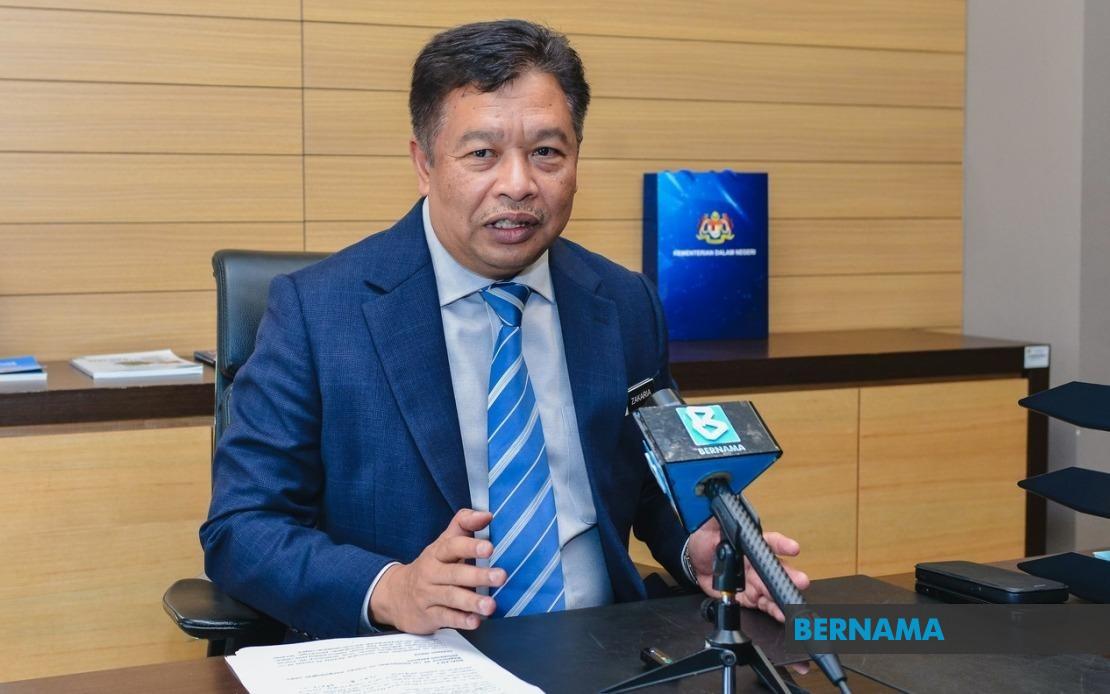
The Immigration Department (JIM) has escalated its operational preparations to manage the expected surge in cross-border traffic as voters employed in Singapore prepare to return for the Johor State Election scheduled for July 11. Director-General Datuk Zakaria Shaaban emphasised that round-the-clock system monitoring and continuous inspections at critical entry points underscore the department's commitment to preventing any disruptions that could hinder citizens' ability to cast their votes.
Two of the region's most critical gateways stand at the centre of this operational focus. The Sultan Abu Bakar Complex (KSAB) in Tanjung Kupang, accessed via the Malaysia-Singapore Second Link, and the Sultan Iskandar Building (BSI) connecting JB Sentral to Woodlands, together process approximately 300,000 travellers daily under normal circumstances. The volume during an election period when voters converge on Johor will significantly test the infrastructure and personnel capacity at these checkpoints, making pre-emptive planning essential.
Datuk Zakaria provided detailed assurances about the current state of technological systems underpinning border operations. He clarified that the department continues to rely on existing, proven inspection systems rather than implementing untested new infrastructure ahead of the election. This conservative approach reduces the risk of unexpected technical failures during the critical voting period. The director-general stressed that should any technical issues emerge, JIM's technical teams are primed to respond immediately, with trained personnel stationed to diagnose and resolve problems without causing queues or delays at the checkpoints.
Contingency planning represents a cornerstone of the department's strategy. Datuk Zakaria outlined a tiered response protocol: should the computerised systems experience any downtime, Immigration officers are trained and equipped to revert to manual inspection procedures. This fallback mechanism ensures that the flow of travellers through the Immigration, Customs and Quarantine (ICS) complexes continues uninterrupted, albeit potentially at a reduced pace. The emphasis on manual backup procedures reflects lessons learned from previous high-traffic periods and demonstrates institutional preparedness for worst-case scenarios.
The Home Ministry has reinforced these assurances through its own commitment. Home Minister Datuk Seri Saifuddin Nasution Ismail previously announced that his ministry would activate a comprehensive mitigation strategy to guarantee smooth transit for voters working in Singapore. This inter-departmental coordination suggests that preparations extend beyond Immigration alone, potentially encompassing Customs and Quarantine operations as well as traffic management on both Malaysian and Singaporean sides of the border.
The stakes involved in this election extend beyond routine voter participation. The Johor state election will determine representation across 56 state seats, with 172 candidates competing in what represents a significant democratic exercise for Malaysia's southern state. The election carries implications not merely for local governance but also for the broader political landscape within Malaysia. A substantial proportion of the Johor electorate works in Singapore, underscoring the interconnected nature of employment patterns across the Straits of Johor and the necessity of maintaining efficient cross-border infrastructure to support democratic participation.
Early voting commenced on July 7, allowing some flexibility for voters unable to return on polling day itself. This staggered voting schedule may help distribute the passenger load across several days, potentially easing pressure on border facilities. However, election day itself on July 11 will likely see a concentrated surge, particularly during morning hours as voters prioritise voting before returning to work commitments in Singapore or elsewhere.
The operational challenges facing JIM reflect broader regional patterns of migration and employment. Thousands of Malaysians maintain jobs in Singapore while retaining residential and voting rights in Malaysia, creating regular cross-border flows that spike during elections and major holidays. The ability of governments to manage these transitions smoothly directly affects citizens' confidence in democratic processes and their willingness to return home to vote. A poorly managed election day experience at border crossings could discourage future political participation among this mobile population segment.
From a Southeast Asian perspective, the Johor-Singapore corridor represents one of the world's busiest and most economically significant land borders. The smooth functioning of these checkpoints carries implications beyond election administration, affecting daily commerce, business travel, and tourism between Malaysia and Singapore. Immigration Department officials have therefore framed their election preparations within a broader context of maintaining regional connectivity and economic vitality.
The technical and human resource investments outlined by Datuk Zakaria signal that JIM recognises the importance of this election to the legitimacy of democratic outcomes in Johor. When border procedures function efficiently, voters can fulfil their civic responsibilities without frustration. Conversely, lengthy delays and bureaucratic obstacles at checkpoints have historically dampened turnout among diaspora populations. The department's proactive stance suggests a determination to eliminate this potential barrier to participation.
Looking forward, the experience of managing this election will likely inform future preparations for national elections and other major political events. The data collected on passenger volumes, system performance, and bottleneck locations will help Immigration planners refine procedures and resource allocation. As Malaysia's population becomes increasingly mobile, with more citizens working across borders, the capacity to support their democratic participation through efficient border management emerges as an essential governance competency.

