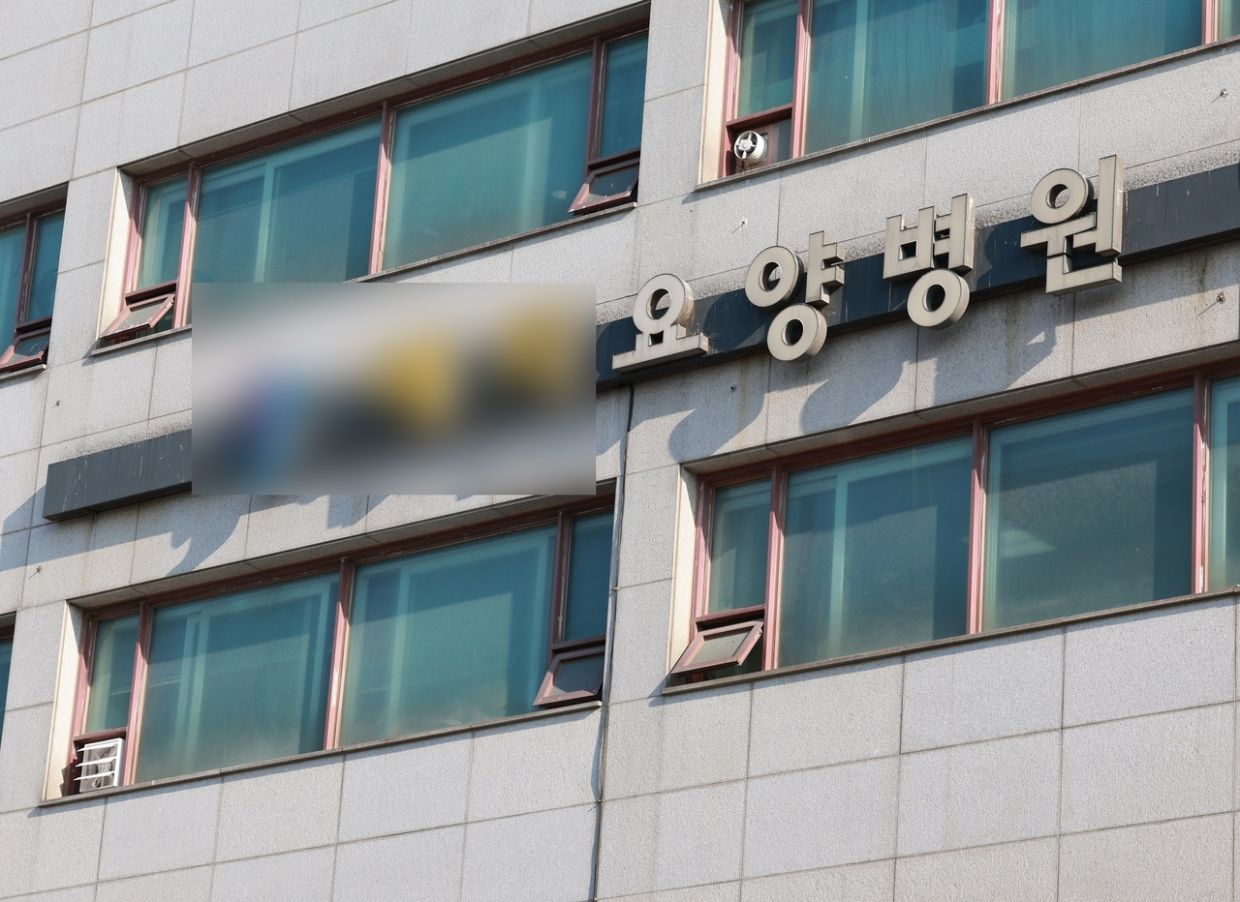
A macabre mix-up at an Incheon recycling facility has sparked a criminal investigation into a local hospital's medical waste management practices after staff mistakenly sent an amputated human leg through the general refuse system. Police in the port city confirmed on Friday that the limb, recovered from the Southern Regional Resource Recovery Centre on June 10, originated from a Jung-gu nursing hospital where it had been amputated from an elderly female patient. The discovery has exposed serious lapses in how the facility handles biological waste, raising questions about compliance with South Korea's strict medical disposal regulations.
The sequence of events that led to the misplaced limb began at the hospital's own premises. Medical staff properly identified the amputated leg as medical waste requiring special handling, placing it in an appropriate container. However, the chain of custody broke down when a cleaning worker in their 60s, lacking specific training or awareness, mistook the packaged limb for refuse that had somehow entered the medical waste stream. Believing the item to be a mannequin part or discarded medical training equipment, the staff member combined it with ordinary recyclable materials scheduled for collection.
The leg's discovery prompted an immediate forensic investigation. Specialists from the National Forensic Service examined the biological material and determined it belonged to an adult, narrowing the scope of inquiry significantly. Hospital officials, already aware of the missing amputation specimen, approached police two days after its discovery to report the incident. Subsequent DNA analysis confirmed that the leg matched the genetic profile of the female patient in her 80s who had undergone the amputation at the facility, eliminating any suspicion of criminal activity or foul play.
For Malaysian readers familiar with Southeast Asia's healthcare systems, this incident underscores the critical importance of rigorous waste management protocols in medical facilities. While South Korea maintains significantly more advanced regulatory frameworks than many regional counterparts, the case demonstrates how gaps in training and supervision can occur even in developed healthcare systems. The nursing hospital's failure to prevent the mishandling of biological material represents a fundamental breach of professional responsibility that extends beyond mere administrative oversight.
The investigation has now broadened to examine whether the hospital violated South Korea's Wastes Control Act, which mandates that medical waste be segregated and deposited in government-designated containers using proper procedures. This regulatory requirement exists precisely to prevent such incidents, protecting both public health and environmental safety. Authorities are scrutinising whether staff received adequate training on distinguishing between medical and general waste, and whether supervisory mechanisms existed to prevent untrained workers from handling sensitive biological materials.
Complicating the matter further is an allegation that the hospital lacks the necessary equipment and facility credentials to perform amputation procedures in the first place. This raises the possibility of additional violations under South Korea's Medical Service Act, which governs qualifications and infrastructure requirements for surgical interventions. While police have not confirmed this claim definitively, investigators are examining whether the amputation itself was conducted legally and by qualified personnel. The potential for multiple regulatory breaches suggests the hospital's operational standards may require broader scrutiny beyond waste management alone.
The family's circumstances provide additional context to understanding how the patient came to receive care at this particular facility. According to police records, the elderly woman had been refused admission by multiple hospitals due to her deteriorating medical condition, forcing her family to seek care at the Jung-gu nursing facility as a last resort. This situation reflects broader healthcare system pressures where elderly patients with complex conditions struggle to find appropriate placements, a challenge that resonates across East Asia and Southeast Asia where ageing populations strain healthcare resources.
Police face a complex legal determination regarding potential criminal culpability. A spokesperson indicated that investigators have not yet identified a specific clause within the Medical Service Act that would justify criminal prosecution, suggesting the legal framework may contain gaps when prosecuting institutional failures rather than individual misconduct. To address this ambiguity, authorities intend to consult the Korean Medical Association, the Ministry of Health and Welfare, and legal experts before finalising their conclusions about whether criminal charges are warranted.
The incident highlights structural vulnerabilities in South Korea's medical waste management that could inform policy discussions across the region. Many Southeast Asian healthcare facilities operate with even less stringent oversight and training requirements than those in South Korea, suggesting the risk of similar incidents may be elevated in developing economies. The case demonstrates that regulatory compliance depends not merely on written rules but on consistent implementation, adequate staffing, proper training, and operational oversight at every level of a healthcare facility.
Beyond the immediate criminal investigation, this situation will likely prompt the hospital to overhaul its internal procedures, implement enhanced staff training, and establish verification systems to prevent biological materials from entering waste streams inadvertently. Insurance and accreditation bodies may also impose additional scrutiny and requirements. The broader implication for South Korea's healthcare sector involves potential regulatory reforms clarifying which violations constitute criminal offences and establishing minimum standards for medical waste handling across all facility types.
The apparent gap in the hospital's surgical capabilities represents a particularly concerning element of this case. If confirmed, it would suggest a patient underwent a significant surgical procedure at a facility not properly equipped or licensed to perform it, raising questions about how such an operation was permitted and whether regulatory bodies adequately monitor institutional capacity. This aspect of the investigation may ultimately prove more consequential than the waste disposal incident itself, potentially exposing systemic oversight failures in healthcare licensing and facility inspection protocols.