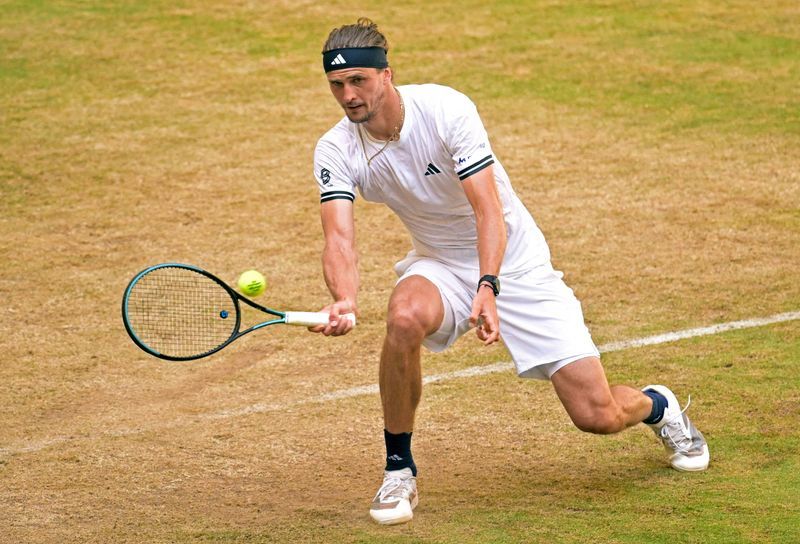
World number three Alexander Zverev attributed his Halle Open semi-final defeat to Taylor Fritz on Saturday to a malfunctioning glucose sensor that provided dangerously inaccurate readings during the match. The German player lost 6-7(4) 6-4 7-5 to the American in a contest that stretched beyond two and a half hours, continuing a concerning run of form that saw him lose six consecutive meetings against Fritz before their meeting in Halle.
Zverev, who manages Type 1 diabetes with advanced monitoring technology, disclosed that his sensor delivered readings indicating dangerously elevated glucose levels when in reality his blood sugar was critically low. This fundamental error in data led him to administer significantly more insulin than his actual condition required, creating a dangerous metabolic situation during competitive play. The consequences became apparent within the opening stages of the match, when Zverev consumed approximately 350 grams of sugar in just 45 minutes as he struggled to stabilise his condition and felt physically compromised throughout the contest.
The German's battle with his diabetes management equipment underscores the complex intersection between elite sports performance and chronic health conditions. Zverev was diagnosed with Type 1 diabetes at age four and has built a remarkable professional tennis career while relying on careful glucose management. His reliance on Medtronic technology, which he has employed since 2016 or 2017, reflects how medical innovation enables athletes with insulin-dependent diabetes to compete at the highest levels. The malfunction during the Halle semi-final marked an unprecedented occurrence in nearly nine years of consistent sensor use, indicating how exceptional this equipment failure was for his diabetes management routine.
Despite the physical ordeal that clearly affected his performance and concentration during the match, Zverev demonstrated sportsmanship by acknowledging Fritz's superiority on the day. Rather than attributing the loss solely to his medical situation, the world number three credited his opponent with playing at a higher level and executing the better performance when it mattered most. This gracious assessment came even as he justified the physical and mental struggles he endured due to the sensor malfunction, indicating his understanding that elite athletes must adapt to challenging circumstances and deliver results regardless.
The incident carries broader implications for professional athletes managing chronic conditions at the elite level. Zverev's transparency about his diabetes and his use of specific medical devices has made him an important figure in representing how modern technology allows individuals with Type 1 diabetes to pursue demanding athletic careers. However, the Halle experience demonstrates that equipment reliability remains critical, particularly during high-stakes competitive moments where an athlete's physical state directly influences tournament outcomes. The pressure of major competitions, combined with the physical demands of professional tennis, creates scenarios where even minor medical monitoring failures can cascade into significant performance impacts.
Zverev's competitive record against Fritz has become a notable concern entering the latter stages of the season. The American's six-match winning streak against the German suggests a tactical or stylistic advantage that extends beyond any single match circumstance. The Halle defeat, while complicated by the glucose sensor issue, adds to a pattern that Zverev will need to address if he is to recover his position against this particular opponent. Whether the medical situation exacerbated underlying tactical problems or represented the primary factor in the loss remains an open question that tennis analysts will examine as the calendar progresses.
Looking ahead to Wimbledon, which commences on June 29 and runs through July 12, Zverev expressed confidence that the glucose sensor malfunction would not recur or represent an ongoing concern for his preparation. His willingness to move forward quickly suggests that the incident, while uncomfortable and ultimately costly in terms of the Halle title opportunity, did not shake his confidence in his diabetes management system overall. Zverev will have had time to work with his medical team to investigate the sensor failure, understand its causes, and implement precautions before the grass court championship begins. The opportunity to recalibrate his approach and renew his focus on major tournament preparation comes at a crucial moment in the calendar, with Wimbledon offering a chance to refocus on his primary objectives for the season.
The Halle Open represents an important tune-up event for players preparing for Wimbledon, and losses there often serve as valuable learning experiences rather than definitive indicators of form heading into the major championship. Zverev's exit removes him from contention for what would have been a significant title, but the window between now and Wimbledon provides adequate time for physical and mental recovery. His openness about the specific nature of his medical challenge suggests a mature approach to setbacks, recognising that external factors occasionally intervene in competitive outcomes and that how athletes respond to adversity matters as much as the initial disappointment itself.
%22%2F%3E%3C%2Fpattern%3E%3C%2Fdefs%3E%3Crect%20width%3D%22100%25%22%20height%3D%22100%25%22%20fill%3D%22url(%23phkt3eg)%22%2F%3E%3Crect%20width%3D%22100%25%22%20height%3D%22100%25%22%20fill%3D%22url(%23phkt3ep)%22%2F%3E%3Ctext%20x%3D%2250%25%22%20y%3D%2250%25%22%20text-anchor%3D%22middle%22%20dominant-baseline%3D%22central%22%20fill%3D%22rgba(255%2C255%2C255%2C0.95)%22%20font-family%3D%22Georgia%2C%20'Times%20New%20Roman'%2C%20serif%22%20font-weight%3D%22700%22%20font-size%3D%22320%22%20letter-spacing%3D%22-0.02em%22%3EMUDA%3C%2Ftext%3E%3C%2Fsvg%3E)