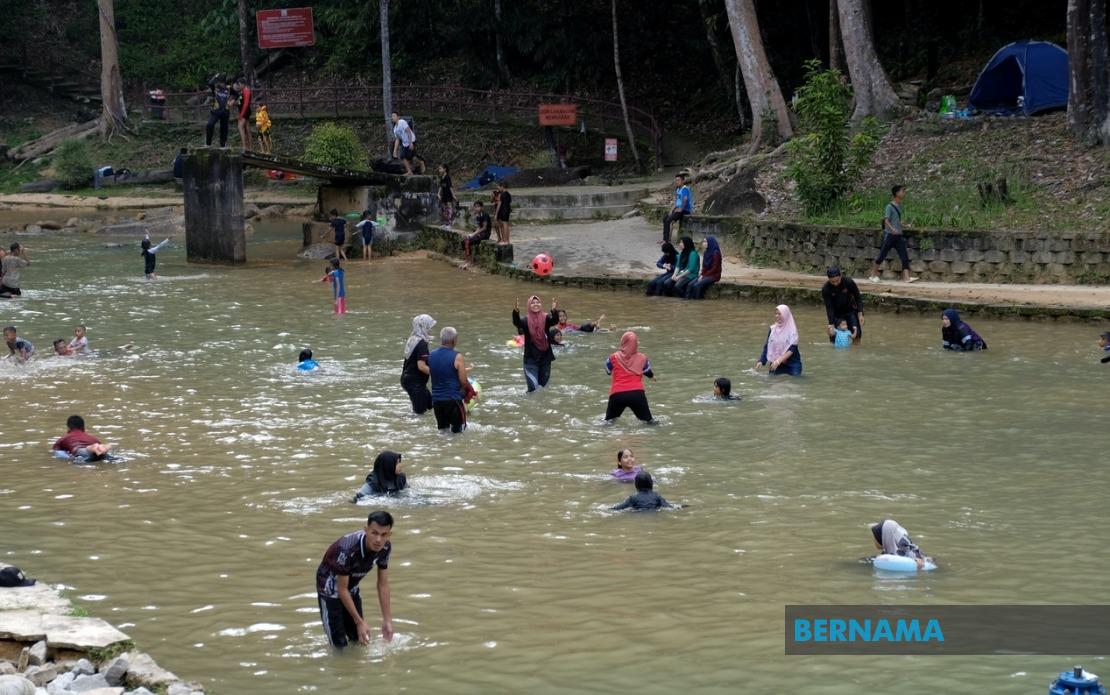
The Pahang State Health Department has launched a formal investigation into allegations that multiple visitors to a recreational area near Bentong contracted acute gastroenteritis following a river bathing incident. The development underscores growing concerns about water safety at popular tourist destinations in Pahang, a state that draws significant domestic and international leisure traffic to its natural attractions, particularly in the Janda Baik area and surrounding hill stations.
According to the department's initial findings, a comprehensive risk assessment has been completed without detecting any unusual patterns. The surveillance systems monitoring food poisoning and acute gastroenteritis cases across the state have not flagged any spike in reported incidents that would ordinarily suggest a disease cluster. This measured initial response suggests authorities are treating the matter seriously while avoiding premature conclusions that could unnecessarily alarm the public or damage the region's tourism reputation.
Water samples collected from multiple points along Sungai Benus in Janda Baik on June 14 are currently undergoing microbiological laboratory analysis. These results, once available, will be crucial in determining whether pathogenic organisms such as bacteria, viruses or parasites were present in concentrations sufficient to trigger the reported illness cluster. The timing of sample collection—likely within days of the alleged exposure—increases the likelihood of detecting any causative agents that may have contaminated the water source.
The investigation reflects standard epidemiological protocol for suspected waterborne disease outbreaks. Health officials are simultaneously conducting active case detection to identify additional affected individuals who may not have sought immediate medical attention, while epidemiological investigators work to establish the precise exposure circumstances and identify contributing environmental factors. This multipronged approach helps establish whether the illnesses genuinely represent a connected cluster or represent coincidental cases of gastroenteritis from unrelated sources.
Parallel to the health investigation, the department is collaborating with environmental and water quality agencies to assess potential pollution sources that might explain the incident. Recreation sites along rivers face inherent contamination risks from upstream agricultural runoff, informal human settlements lacking proper sanitation infrastructure, and wildlife-related biological contaminants. Identifying the specific source becomes essential for implementing targeted control measures and preventing future incidents.
Enhanced surveillance has been activated across both government and private healthcare facilities in surrounding areas, creating a more sensitive detection system for any emerging patterns. Healthcare providers now have specific guidance to report cases showing epidemiological links to the Bentong incident, enabling rapid identification should a genuine outbreak be developing. This heightened vigilance is particularly important given the nonspecific nature of gastroenteritis symptoms, which could easily be attributed to dietary indiscretion rather than environmental contamination.
The advisory issued to recreational and accommodation operators addresses a systemic issue affecting tourist destinations throughout Malaysia's rural and semi-rural regions. Many smaller recreational facilities lack adequate sewage treatment systems, clean water supply infrastructure, or regular maintenance protocols, creating conditions conducive to waterborne pathogen transmission. Operators face financial and logistical constraints in upgrading facilities, yet the public health imperative to prevent disease outbreaks is unambiguous, placing responsibility on both venue management and regulatory authorities.
For visitors and local communities using the Bentong area's recreational facilities, the incident serves as a reminder that water safety cannot be assumed at informal or inadequately regulated swimming locations. Gastrointestinal illnesses contracted during recreational water exposure typically manifest within 24 to 72 hours, presenting with diarrhoea, vomiting, abdominal cramping and fever. Individuals experiencing such symptoms after river contact should seek prompt medical evaluation, allowing clinicians to properly diagnose the cause and initiate appropriate treatment while informing public health surveillance.
The situation highlights broader challenges facing Pahang's public health infrastructure as tourism demand continues expanding. Popular destination areas like Bentong, Janda Baik and surrounding regions experience seasonal surges in visitor numbers that can strain local health and sanitation facilities. Balancing tourism development with environmental protection and disease prevention requires sustained coordination between health authorities, local government, tourism operators and the public.
The Ministry of Health's commitment to continued monitoring and transparent communication suggests authorities recognise the potential for reputational damage and public anxiety if information remains opaque or contradictory. By anchoring guidance in epidemiological investigation results and laboratory evidence rather than speculation, health officials aim to maintain public confidence while gathering definitive data. The cautionary note against public speculation reflects awareness that unverified claims about water contamination can spread rapidly through social media, potentially causing disproportionate economic harm to the tourism sector.
Final determination of whether a genuine outbreak has occurred will depend on laboratory confirmation of pathogens in water samples combined with epidemiological evidence linking confirmed cases directly to exposure at the specific recreation site. Until those results arrive, the investigation remains in its preliminary phase, with authorities maintaining a high index of suspicion while gathering evidence that will either confirm or refute the outbreak hypothesis. This careful, evidence-based approach represents best practice in waterborne disease investigation.


%22%2F%3E%3C%2Fpattern%3E%3C%2Fdefs%3E%3Crect%20width%3D%22100%25%22%20height%3D%22100%25%22%20fill%3D%22url(%23ph40buhg)%22%2F%3E%3Crect%20width%3D%22100%25%22%20height%3D%22100%25%22%20fill%3D%22url(%23ph40buhp)%22%2F%3E%3Ctext%20x%3D%2250%25%22%20y%3D%2250%25%22%20text-anchor%3D%22middle%22%20dominant-baseline%3D%22central%22%20fill%3D%22rgba(255%2C255%2C255%2C0.95)%22%20font-family%3D%22Georgia%2C%20'Times%20New%20Roman'%2C%20serif%22%20font-weight%3D%22700%22%20font-size%3D%22320%22%20letter-spacing%3D%22-0.02em%22%3EGRS%3C%2Ftext%3E%3C%2Fsvg%3E)