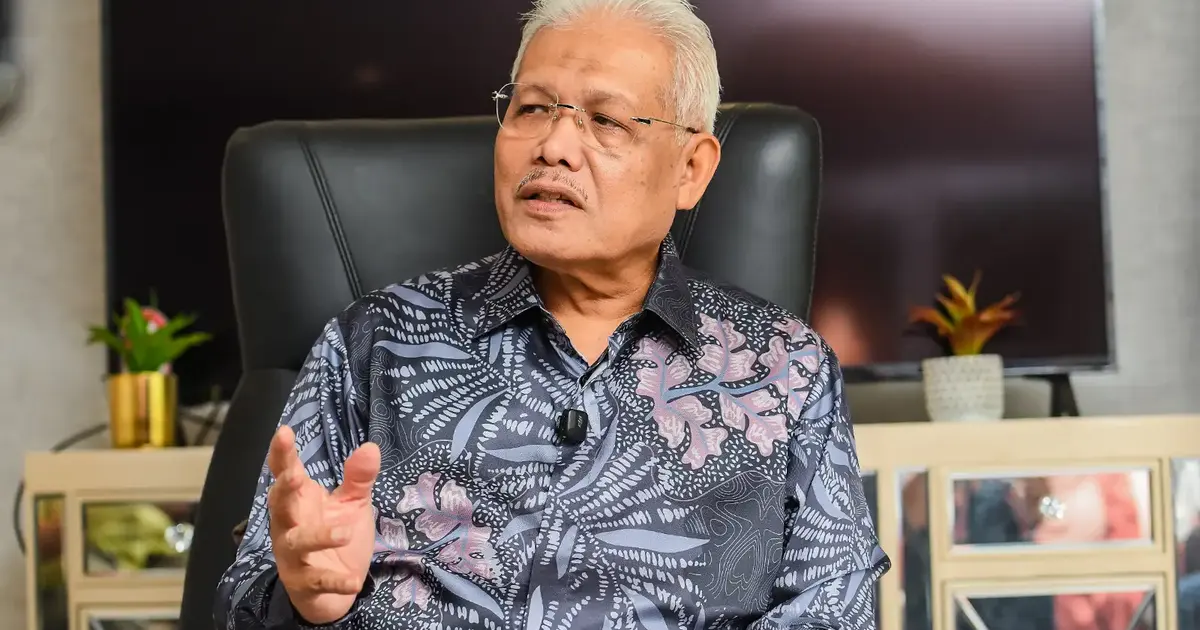
Hamzah Zainudin's re-emergence within Perikatan Nasional's leadership ranks signals a deliberate strategic recalibration by the PAS-led opposition coalition, with political analysts suggesting his prominence could substantially soften the bloc's public profile heading into the next general election. The decision to position him prominently reflects coalition leadership's assessment that his political brand carries greater mainstream appeal compared to some party figures associated with more hardline positions, making him a potentially valuable asset for broadening voter reach beyond the coalition's traditional support bases.
In Malaysian electoral politics, the concept of a "moderate narrative" has grown increasingly significant as voters demonstrate wariness toward coalitions perceived as ideologically rigid or exclusionary. Analysts argue that Perikatan Nasional, despite controlling several state governments and holding substantial parliamentary representation, has struggled to shake perceptions among urban and centrist voters that its religious-oriented policy preferences may not align with their priorities. Hamzah's repositioning within the coalition's public-facing structure addresses this vulnerability directly by presenting a counterbalance to such perceptions.
The strategic value of Hamzah's profile lies partly in his track record navigating complex political negotiations and his ability to articulate policy positions that appeal across demographic segments. Unlike certain coalition colleagues whose public statements tend toward more explicit religious or communal frameworks, Hamzah has generally maintained rhetorical flexibility, allowing him to discuss governance priorities in language that resonates with diverse audiences. This capability becomes particularly valuable during election campaigns when coalitions attempt to broaden their appeal beyond core supporters.
For Perikatan Nasional specifically, the timing of elevating Hamzah's profile carries obvious significance. The opposition coalition has witnessed fluctuating public support since the 2022 elections, with approval ratings sensitive to how voters perceive its policy direction and leadership intentions. By positioning him centrally in campaign messaging and strategic decision-making, the coalition signals to moderate-leaning swing voters that their concerns about governance, economic management, and inclusive policymaking remain prioritised within the broader coalition framework. This messaging strategy addresses a longstanding challenge facing opposition blocs: demonstrating sufficient internal diversity and moderation to appeal beyond committed supporters.
Political observers also note that Hamzah's prominence may help navigate tensions within Perikatan Nasional itself. The coalition encompasses parties with varying ideological emphases and regional power bases, occasionally creating friction over policy direction and campaign messaging. A figure perceived as centrist and pragmatic can serve as a moderating force internally, potentially helping to paper over disagreements that might otherwise undermine campaign effectiveness or coalition cohesion. His involvement in strategic discussions may therefore extend beyond external image management to encompassing internal coalition dynamics.
The Malaysian electorate's demonstrated sensitivity to how opposition coalitions position themselves cannot be overstated. The 2022 general election results reflected voter ambivalence toward Perikatan Nasional partly rooted in uncertainty about its governing philosophy and whether its vision for Malaysia's future adequately represented their own values and priorities. Analysts suggest that emphasising figures like Hamzah represents an attempt to remedy this perception gap by providing reassurance that the coalition's leadership includes individuals comfortable with secular governance frameworks and inclusive policy development.
From a regional perspective, Malaysia's political evolution increasingly reflects global patterns whereby voters segment themselves along multiple dimensions beyond traditional left-right axes. Urban, educated voters particularly demonstrate preference for coalitions demonstrating organisational competence, technocratic capability, and rhetorical inclusivity, regardless of their ideological origins. Perikatan Nasional's apparent strategy of repositioning Hamzah aligns with this voter segmentation pattern, targeting constituencies where such qualities determine electoral behaviour.
However, the effectiveness of this repositioning strategy ultimately depends on whether voters perceive Hamzah's prominence as authentic reflection of coalition priorities or merely tactical positioning for electoral advantage. Malaysian voters have demonstrated considerable sophistication in distinguishing between substantive policy shifts and cosmetic image adjustments. Should Perikatan Nasional's moderate messaging during the campaign subsequently disappear should the coalition enter government, the credibility damage could prove substantial and lasting.
Looking toward GE16, political analysts will closely monitor how extensively Hamzah features in coalition advertising, campaign rallies, and policy announcements. The degree to which he influences actual policy formulation versus serving primarily symbolic functions will reveal whether Perikatan Nasional genuinely intends a moderate recalibration or whether his prominence primarily reflects electoral calculation. For Malaysian voters evaluating coalition options, such distinctions ultimately determine whether repositioning efforts merit serious electoral consideration or represent merely temporary political theatre.

%22%2F%3E%3C%2Fpattern%3E%3C%2Fdefs%3E%3Crect%20width%3D%22100%25%22%20height%3D%22100%25%22%20fill%3D%22url(%23ph40buhg)%22%2F%3E%3Crect%20width%3D%22100%25%22%20height%3D%22100%25%22%20fill%3D%22url(%23ph40buhp)%22%2F%3E%3Ctext%20x%3D%2250%25%22%20y%3D%2250%25%22%20text-anchor%3D%22middle%22%20dominant-baseline%3D%22central%22%20fill%3D%22rgba(255%2C255%2C255%2C0.95)%22%20font-family%3D%22Georgia%2C%20'Times%20New%20Roman'%2C%20serif%22%20font-weight%3D%22700%22%20font-size%3D%22320%22%20letter-spacing%3D%22-0.02em%22%3EGRS%3C%2Ftext%3E%3C%2Fsvg%3E)