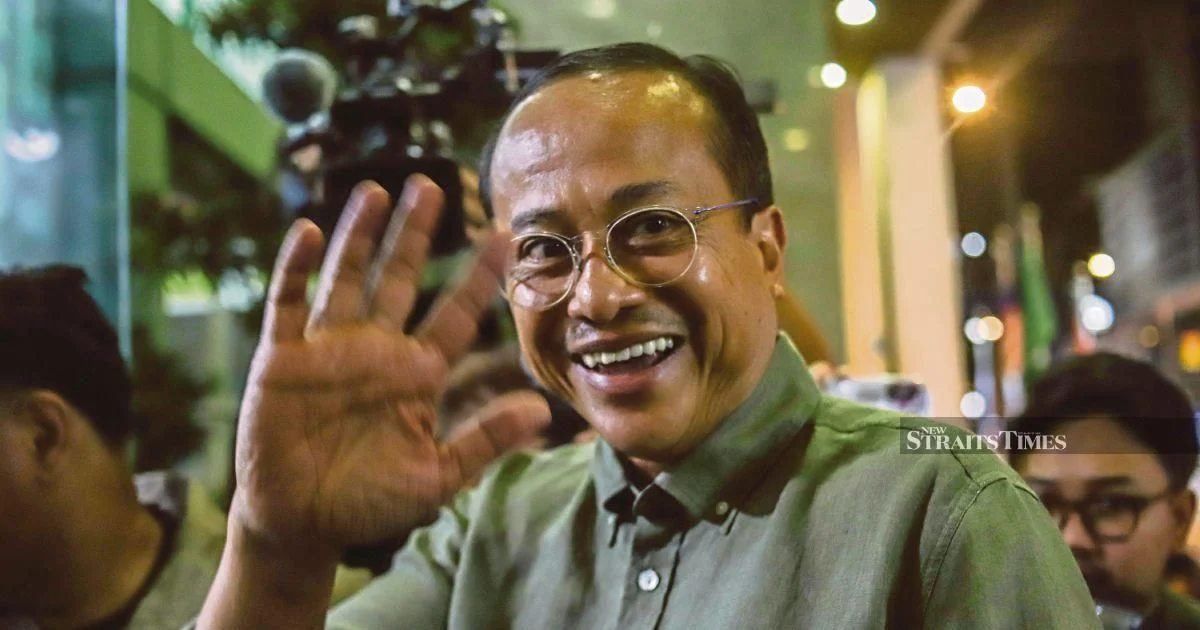
The constitutional status of Datuk Seri Hamzah Zainudin's role as Opposition Leader remains in a state of uncertainty following his reappointment, with Perikatan Nasional yet to lodge the mandatory notification with Parliament's secretariat. The Larut member of Parliament and senior political figure has assumed responsibilities associated with the position, yet the formal machinery of government recognition has not caught up with political reality, raising questions about the procedural requirements for one of Parliament's most visible offices.
The Opposition Leader position holds particular constitutional weight within Malaysia's Westminster-style parliamentary system. Beyond its symbolic significance as the recognised head of the largest non-government coalition, the role carries tangible parliamentary privileges, including guaranteed speaking time, access to government documents for scrutiny purposes, and a formal seat arrangement within the Dewan Rakyat chamber. These privileges depend on official recognition, making the absence of formal notice from Perikatan Nasional a substantive matter rather than mere bureaucratic oversight.
Perikatan Nasional's silence on issuing the mandatory notification highlights an unusual procedural gap that has emerged within Malaysia's political leadership structures. Typically, when a coalition determines its opposition representative, the formal notice reaches Parliament within a specified timeframe, ensuring that parliamentary procedures and administrative systems reflect the political arrangement. The delay in this instance suggests either administrative delays within the coalition's machinery or a deliberate withholding of the notice—neither scenario offers clarity to Parliament or the public about the precise status of opposition leadership.
Hamzah Zainudin brings substantial political credentials to the Opposition Leader position. His previous parliamentary experience and standing within Perikatan Nasional's coalition structure establish him as a credible voice for the opposition benches. However, credibility alone cannot substitute for the formal recognition that parliamentary conventions and regulations demand. Without official notification, parliamentary staff cannot officially log his position, opposition members lack clarity about their formal leader, and the government cannot be certain with whom to coordinate opposition engagement on procedural matters.
The timing of this recognition gap carries implications for parliamentary dynamics during this legislative session. The Opposition Leader typically coordinates questioning during minister's question time, mobilises opposition votes on critical legislative matters, and serves as the principal voice challenging government policy. When this position lacks formal status, coordinated opposition activities become logistically complicated, with ambiguity about who legitimately speaks for the non-government side. This can inadvertently weaken opposition effectiveness during crucial parliamentary proceedings.
From a Malaysian governance perspective, this situation illustrates tensions within the current political configuration. Perikatan Nasional's reticence to formally notify Parliament might reflect internal coalition dynamics—potential disagreements about representation, unresolved leadership disputes, or negotiations with coalition partners that remain incomplete. Alternatively, it could indicate that notification is pending administrative processing rather than political resistance. The absence of public clarification from the coalition leaves observers uncertain about which explanation applies.
Regional democratic precedents suggest that formalising opposition leadership promptly strengthens parliamentary institutions. Southeast Asian parliaments have developed increasingly robust systems for recognising opposition structures, viewing official acknowledgment as essential for maintaining checks and balances. Malaysia's current delay in this regard stands somewhat apart from best practices observed in comparable Westminster democracies within the region, where formal notification typically follows political decisions within days rather than remaining outstanding indefinitely.
The parliamentary secretariat's role in processing such notifications also warrants consideration. Parliamentary services are expected to respond to coalition notifications within established timelines, yet procedural clarity about the secretariat's obligations when notification is delayed remains unclear. Should the secretariat initiate contact with the coalition seeking clarification, or does the coalition bear sole responsibility for submitting notification? These procedural gaps become evident only when delays occur, highlighting areas where Parliament's standing orders may require clarification or modernisation.
For other political parties, this situation creates a precedent that could influence future opposition leadership arrangements. If Perikatan Nasional can delay formal notification without triggering parliamentary procedural consequences, other coalitions might follow suit when political circumstances favour maintaining ambiguity about opposition representation. Conversely, if Parliament's administrative procedures force timely notification, this episode becomes a temporary anomaly rather than a sustainable pattern.
The resolution of Hamzah Zainudin's formal recognition will likely occur soon, as parliamentary business continues to require clarity about opposition structure. When notification finally arrives, it will presumably confirm what has already been understood politically—that he leads the opposition coalition in Parliament. The broader lesson from this episode concerns the importance of maintaining alignment between parliamentary procedures and political reality, ensuring that formal recognition systems function without unnecessary delays that create ambiguity about fundamental parliamentary roles.
Moving forward, this situation presents an opportunity for Parliament to examine whether standing orders adequately specify timelines and consequences for coalition notifications about opposition leadership. Strengthening these procedures would prevent similar gaps from occurring and would underline Parliament's commitment to maintaining clear, transparent governance structures that serve both political actors and the Malaysian public effectively. Until formal notification arrives, Hamzah Zainudin's position—though politically recognised—remains institutionally incomplete.

%22%2F%3E%3C%2Fpattern%3E%3C%2Fdefs%3E%3Crect%20width%3D%22100%25%22%20height%3D%22100%25%22%20fill%3D%22url(%23ph40buhg)%22%2F%3E%3Crect%20width%3D%22100%25%22%20height%3D%22100%25%22%20fill%3D%22url(%23ph40buhp)%22%2F%3E%3Ctext%20x%3D%2250%25%22%20y%3D%2250%25%22%20text-anchor%3D%22middle%22%20dominant-baseline%3D%22central%22%20fill%3D%22rgba(255%2C255%2C255%2C0.95)%22%20font-family%3D%22Georgia%2C%20'Times%20New%20Roman'%2C%20serif%22%20font-weight%3D%22700%22%20font-size%3D%22320%22%20letter-spacing%3D%22-0.02em%22%3EGRS%3C%2Ftext%3E%3C%2Fsvg%3E)