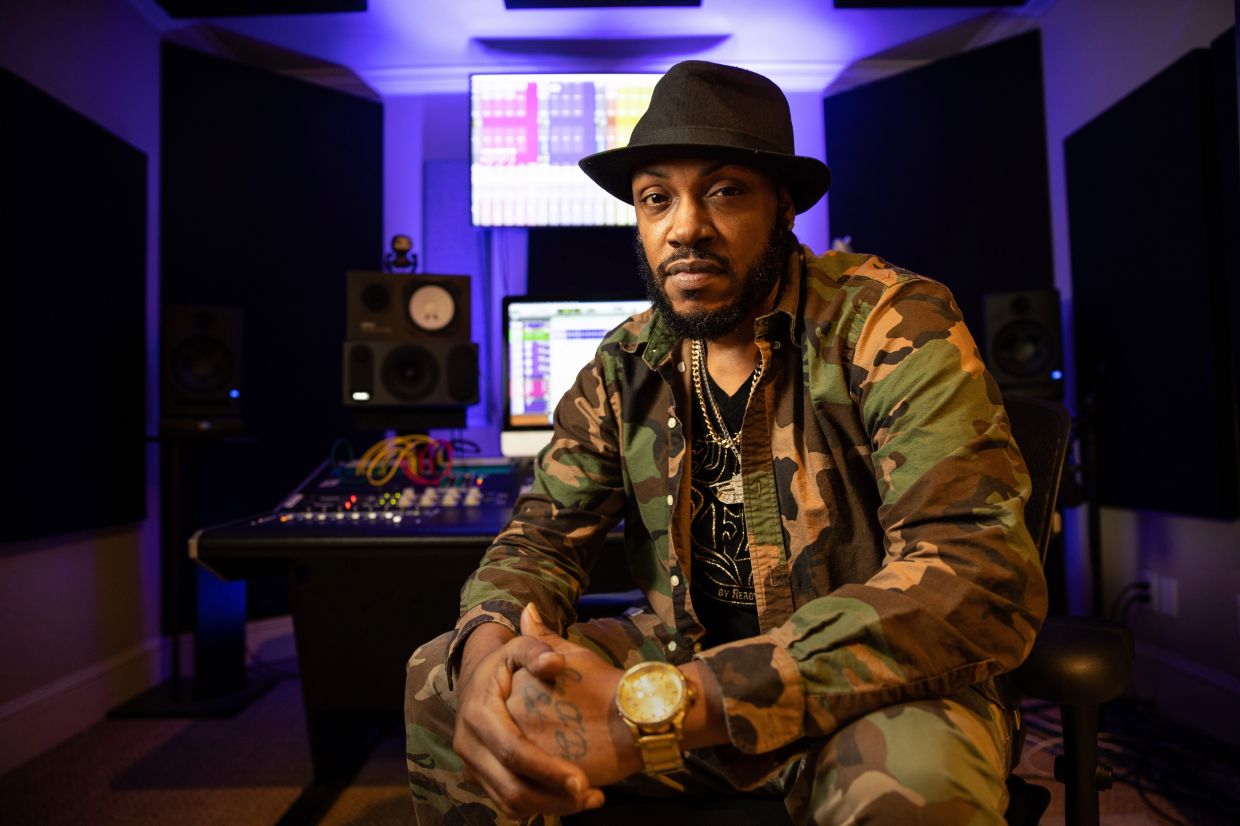
Michael Lawrence Tyler, professionally known as Mystikal, has received a 20-year prison sentence following his guilty plea to third-degree rape involving an incident at his Prairieville home near Baton Rouge, Louisiana in 2022. The Grammy-nominated artist, who achieved prominence during the late 1990s hip-hop boom, will now spend the next two decades incarcerated, marking a dramatic fall from his earlier commercial success in the music industry.
The rapper entered his guilty plea in March under a negotiated agreement that capped his sentencing at 20 years—significantly lower than the maximum 25-year penalty for third-degree rape charges. This plea arrangement proved instrumental in securing the conviction, as prosecutors accepted the reduced charge from the original first-degree rape indictment, which would have carried an automatic life sentence without possibility of parole. The deal essentially reflected a compromise between the prosecution and defense, allowing both sides to avoid the uncertainty of a trial.
Just days before his Tuesday sentencing hearing, Mystikal unexpectedly petitioned the court to withdraw his guilty plea, claiming he had insufficient time to fully comprehend the long-term consequences of his admission. This last-minute legal maneuver failed to persuade the judge, who proceeded with the sentencing as originally scheduled. The attempted withdrawal highlighted the gravity of his situation and suggested possible legal advice recommending a fight rather than acceptance.
During the sentencing hearing, the victim presented a powerful impact statement, describing the violent nature of the assault in graphic detail. She recounted how Mystikal had punched her, choked her, pulled out her braids, and forcibly assaulted her at his residence. Her testimony painted a picture of brutal physical violence intertwined with sexual assault. Crucially, she requested that the judge impose the maximum allowable sentence, effectively asking for the harshest punishment within the legal framework.
In a striking moment captured by local media, Mystikal appeared to acknowledge the severity of his actions in response to the victim's statement. According to ABC affiliate WBRZ, he said that if he had been subjected to the same treatment he inflicted on his victim, he would deserve the maximum sentence. This statement seemed to indicate a level of acceptance regarding the proportionality of his punishment, though such courtroom remarks can sometimes be interpreted as performative rather than genuinely reflective.
Mystikal has remained in custody at the Ascension Parish Jail without bond since his arrest in 2022, spending nearly three years in pretrial and post-conviction detention. His continued incarceration during the legal proceedings meant he was unable to perform, pursue music projects, or maintain his previous lifestyle during a critical period of the case. The rapper's legal team has not yet commented publicly on the sentencing or indicated whether they plan to appeal.
The 2022 assault represents the second significant sexual conviction in Mystikal's troubling criminal history. In 2003, he pleaded guilty to sexual battery and received a six-year prison sentence, demonstrating a pattern of serious criminal behavior spanning two decades. That 2003 conviction marked a turning point in his career, occurring during a period when he was simultaneously receiving Grammy nominations, highlighting the jarring contrast between his professional recognition and his criminal conduct.
Mystikal achieved his peak commercial success during the late 1990s and early 2000s, when he emerged as a distinctive figure in hip-hop known for his energetic performances and distinctive vocal style. His breakthrough established him within the mainstream music industry, securing multiple Grammy nominations and recording hits that dominated radio during that era. However, his 2003 conviction derailed much of his momentum, though he continued to perform and record intermittently throughout the subsequent two decades.
For Malaysian and Southeast Asian music fans, the case serves as a sobering reminder about the separation between artistic talent and personal conduct. The music industry has increasingly faced scrutiny regarding how it handles allegations and convictions against performers, with audiences grappling with the ethics of supporting artists with troubled legal histories. Mystikal's trajectory from Grammy-nominated performer to convicted rapist underscores the profound consequences that serious criminal behavior carries, regardless of professional success or public recognition.
The 20-year sentence also reflects evolving attitudes toward sexual violence in the American justice system. While the plea deal technically reduced charges from the most severe category, the judge's acceptance of the prosecution's recommendation for the maximum 20-year term suggests that courts are treating sexual assault cases with greater seriousness than in previous decades. This sentencing may establish precedent for future cases involving prominent figures accused of similar crimes.

%22%2F%3E%3C%2Fpattern%3E%3C%2Fdefs%3E%3Crect%20width%3D%22100%25%22%20height%3D%22100%25%22%20fill%3D%22url(%23ph40buhg)%22%2F%3E%3Crect%20width%3D%22100%25%22%20height%3D%22100%25%22%20fill%3D%22url(%23ph40buhp)%22%2F%3E%3Ctext%20x%3D%2250%25%22%20y%3D%2250%25%22%20text-anchor%3D%22middle%22%20dominant-baseline%3D%22central%22%20fill%3D%22rgba(255%2C255%2C255%2C0.95)%22%20font-family%3D%22Georgia%2C%20'Times%20New%20Roman'%2C%20serif%22%20font-weight%3D%22700%22%20font-size%3D%22320%22%20letter-spacing%3D%22-0.02em%22%3EGRS%3C%2Ftext%3E%3C%2Fsvg%3E)