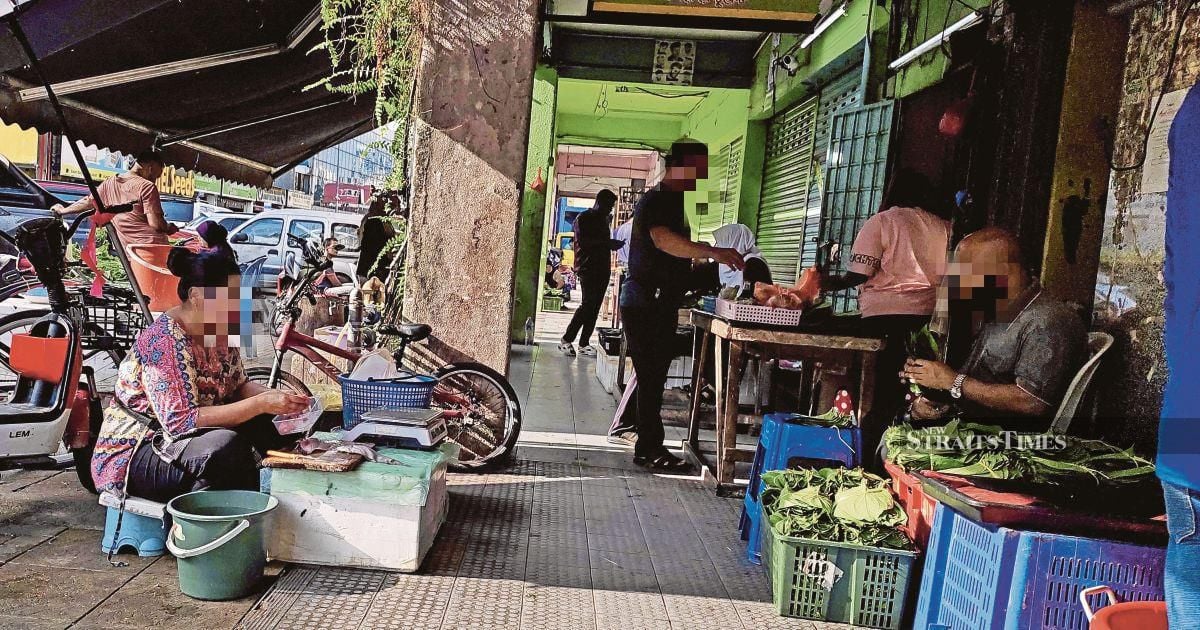
The Malaysian government has issued a fresh call for the public to strike a delicate equilibrium between humanitarian principles and adherence to the law when addressing the situation of the Rohingya community residing in the country. Speaking from Putrajaya, officials reminded citizens that compassion and human dignity must remain at the forefront of discussions surrounding one of Southeast Asia's most contentious displacement crises, even as debate around the issue intensifies across media platforms and public discourse.
This appeal comes at a time when Malaysia hosts one of the world's largest Rohingya populations outside of refugee camps, a demographic reality that carries significant social, economic, and security implications for the nation. The government's intervention reflects concern about the tenor of public conversation, which has grown increasingly polarised in recent months. As media coverage expands and social sentiment evolves, officials appear determined to prevent the debate from devolving into a purely political or adversarial matter that might compromise the welfare of an already vulnerable population.
The Rohingya crisis, which originated in Myanmar's Rakhine State, has created one of the world's most acute humanitarian emergencies. Hundreds of thousands fled Myanmar following military operations beginning in 2017, with many subsequently making perilous journeys across the Andaman Sea. Malaysia, positioned geographically at a critical juncture along migration routes, became an unintended but significant destination for displaced Rohingya seeking refuge. The community's presence in Malaysian cities has grown substantially over subsequent years, creating complex challenges around integration, resource allocation, and security concerns.
For policymakers in Kuala Lumpur, the Rohingya question presents a genuine dilemma. Malaysia is not a signatory to the 1951 Refugee Convention, which means the Rohingya lack formal legal status as recognised refugees and instead exist in a precarious limbo. The government must simultaneously acknowledge moral obligations toward a persecuted population while managing domestic concerns about border security, employment competition, and social cohesion. This balancing act has no easy resolution, and public opinion has increasingly become fractionalised along different lines—some advocating stronger humanitarian protections, others demanding stricter enforcement of immigration laws.
Mediada attention has amplified both sympathetic narratives and critical scrutiny. Reports documenting the Rohingya's vulnerability, exploitation, and living conditions have generated widespread awareness and, in some quarters, genuine compassion among Malaysians. Conversely, news coverage highlighting criminal incidents involving Rohingya individuals or concerns about undocumented populations has fuelled anxiety and resentment in other segments of society. The government's current message appears designed to elevate the discourse above these polarities, appealing for a more nuanced and dignified engagement with the issue.
The minister's statement also carries implicit recognition that rising public sentiment could potentially manifest in discriminatory actions or policies that would further marginalise an already vulnerable group. Throughout Southeast Asia, Rohingya communities have faced periodic violence, detention, and deportation despite their circumstances. Malaysia's track record has been relatively more protective than some neighbours, but recent years have seen tightening attitudes toward irregular migrants of all nationalities. The government's appeal for compassion suggests awareness that public pressure could shift policy in directions incompatible with humanitarian obligations.
The question of how Malaysia manages the Rohingya population has broader regional implications. The country has positioned itself as a moderate Muslim-majority nation with a track record of multicultural governance, and its approach to the Rohingya crisis inevitably becomes symbolic of those claims. Neighbouring countries, international human rights organisations, and regional institutions all observe Malaysian actions closely. A policy framework built purely on deterrence and exclusion would send particular signals about Malaysia's commitment to humanitarian principles at a moment when the Muslim world's response to the Rohingya crisis has itself become scrutinised.
Moving forward, the government faces the challenge of translating rhetorical calls for compassion into concrete policy measures. This might involve improving conditions in camps and informal settlements, expanding access to education and livelihood opportunities for documented Rohingya, clarifying pathways toward legal status or third-country resettlement, and ensuring that law enforcement mechanisms operate without bias or abuse. It also requires sustained public education to combat prejudice and misinformation that can fuel hostility toward the community.
The minister's emphasis on balancing humanity with law reflects an understanding that these are not incompatible objectives. A functioning legal system can operate with compassion, and humanitarian obligations can be addressed within regulatory frameworks. The challenge lies in convincing a fractionalised public that such balance is achievable and desirable. As Malaysia continues to grapple with this issue, the government's willingness to articulate values of compassion in public discourse may prove as important as any specific policy measure in shaping how the nation ultimately treats this vulnerable and displaced population.

%22%2F%3E%3C%2Fpattern%3E%3C%2Fdefs%3E%3Crect%20width%3D%22100%25%22%20height%3D%22100%25%22%20fill%3D%22url(%23ph40buhg)%22%2F%3E%3Crect%20width%3D%22100%25%22%20height%3D%22100%25%22%20fill%3D%22url(%23ph40buhp)%22%2F%3E%3Ctext%20x%3D%2250%25%22%20y%3D%2250%25%22%20text-anchor%3D%22middle%22%20dominant-baseline%3D%22central%22%20fill%3D%22rgba(255%2C255%2C255%2C0.95)%22%20font-family%3D%22Georgia%2C%20'Times%20New%20Roman'%2C%20serif%22%20font-weight%3D%22700%22%20font-size%3D%22320%22%20letter-spacing%3D%22-0.02em%22%3EGRS%3C%2Ftext%3E%3C%2Fsvg%3E)