%22%2F%3E%3C%2Fpattern%3E%3C%2Fdefs%3E%3Crect%20width%3D%22100%25%22%20height%3D%22100%25%22%20fill%3D%22url(%23ph2edejg)%22%2F%3E%3Crect%20width%3D%22100%25%22%20height%3D%22100%25%22%20fill%3D%22url(%23ph2edejp)%22%2F%3E%3Ctext%20x%3D%2250%25%22%20y%3D%2250%25%22%20text-anchor%3D%22middle%22%20dominant-baseline%3D%22central%22%20fill%3D%22rgba(255%2C255%2C255%2C0.95)%22%20font-family%3D%22Georgia%2C%20'Times%20New%20Roman'%2C%20serif%22%20font-weight%3D%22700%22%20font-size%3D%22136%22%20letter-spacing%3D%22-0.02em%22%3EGovernment%3C%2Ftext%3E%3C%2Fsvg%3E)
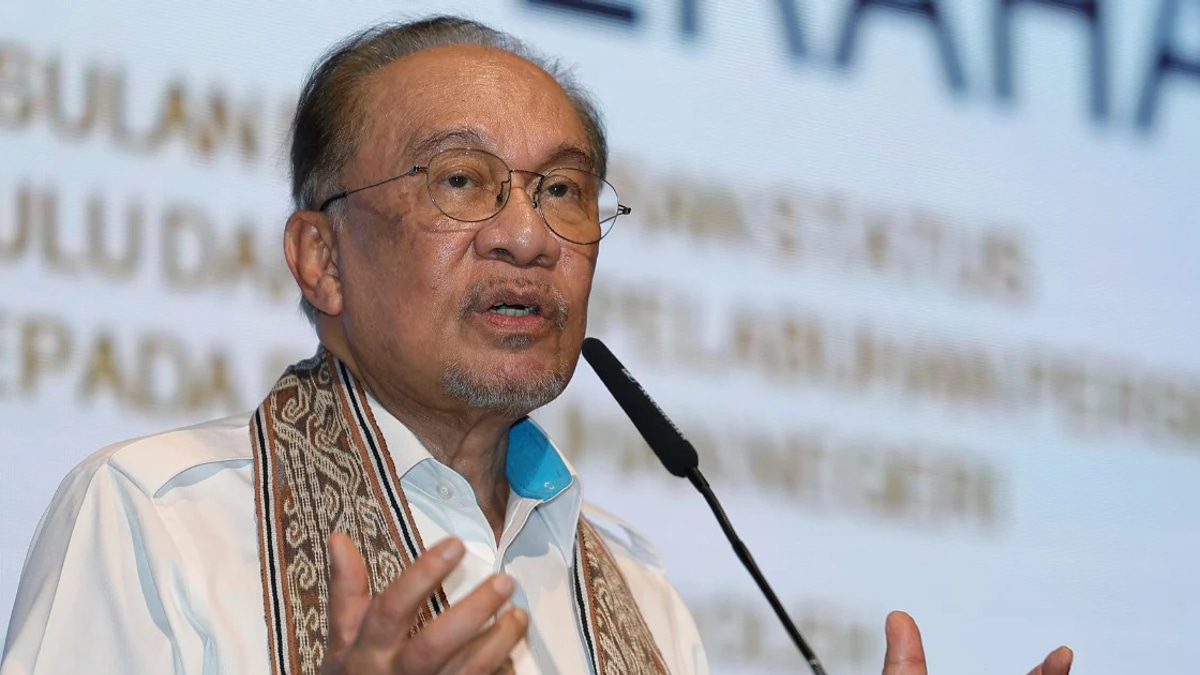
The Malaysian government has announced a significant adjustment to its fuel subsidy framework, reducing the price of subsidised diesel to RM2.10 per litre starting in July 2026. The move, unveiled by Prime Minister Datuk Seri Anwar Ibrahim, represents a recalibration of support mechanisms aimed at controlling fiscal expenditure while maintaining assistance for citizens who genuinely rely on diesel for economic activities. The announcement comes as part of the broader MADANI governance agenda, which prioritises targeted subsidies over universal price controls.
Under the revised structure, access to the subsidised rate will be verified through MyKad identification, mirroring the system deployed for the BUDI MADANI RON95 programme introduced earlier. This verification mechanism seeks to prevent subsidy leakage to ineligible parties and ensure that government resources reach intended beneficiaries. The Ministry of Finance has confirmed that the new pricing and verification system will apply uniformly across Peninsular Malaysia, Sabah, Sarawak, and Labuan, eliminating regional price disparities that have long characterised Malaysia's fuel market. Second Finance Minister Datuk Seri Amir Hamzah Azizan is scheduled to provide comprehensive implementation details, addressing operational questions that businesses and individuals are likely to raise.
Small business operators have responded positively to the announcement, viewing it as recognition of the substantial burden that fuel costs impose on their operations. Night market trader Mohd Faizal Ahmad, 43, from Shah Alam views the reduction as significant relief that will lower his daily operating expenses. His cautious optimism centres on ensuring the MyKad verification process remains straightforward and accessible, a practical concern for informal sector workers who may face administrative complications. Similarly, contractor Tan Chee Keong, 52, from Johor Bahru, who operates a four-wheel drive vehicle for maintenance and construction material deliveries, characterises the measure as both positive and equitable. He emphasises that controlling subsidy abuse through verification strengthens the policy's credibility and fairness, enabling genuine workers to benefit without viewing the system as compromised by misuse.
For agricultural operators, the diesel price reduction addresses a long-standing pressure point in their cost structures. Vegetable farm operator R. Mageswaran, 38, from Sungai Siput, Perak, relies on daily vehicle operations to transport produce to markets and food establishments. Lower diesel costs directly translate to reduced transport expenses, potentially improving profit margins in an inherently competitive agricultural sector. The consistency and reliability of subsidised pricing matters significantly to such operators, as unstable fuel costs complicate business planning and pricing decisions.
The current subsidy structure has created geographical inequities that this reform addresses. Sabah and Sarawak have enjoyed a subsidised diesel price of RM2.15 per litre, substantially lower than the unsubsidised Peninsular Malaysia rate of RM4.37 per litre. This regional variation reflects historical policy frameworks and reflects the complexity of maintaining dual systems across Malaysia's diverse geography. Unifying the subsidised price at RM2.10 per litre nationwide simplifies administration and creates uniform expectations across all states, though the implementation may require transition support for businesses accustomed to lower historical prices in East Malaysia.
The policy shift reflects evolving fiscal priorities within the MADANI framework, which emphasises targeted assistance over blanket price controls. Universal fuel subsidies have historically consumed substantial budget allocations, limiting resources available for education, healthcare, and infrastructure investments. By implementing a verification mechanism, the government aims to concentrate support on populations with documented need, a approach consistent with contemporary subsidy reform across Southeast Asia. The MyKad requirement introduces administrative efficiency but also raises practical considerations about accessibility for certain demographic groups and verification system robustness.
For Malaysia's broader economy, the announcement signals government commitment to gradual subsidy rationalisation while maintaining social safety nets. The July 2026 implementation timeline provides six months for businesses and consumers to adjust expectations and planning, though the gap also allows time for potential system refinements before launch. Industries reliant on diesel—transportation, construction, agriculture, and logistics—will scrutinise the operational details to understand cost implications and adjust pricing strategies accordingly.
The verification system's success hinges on administrative efficiency and public understanding. Previous subsidy programmes have sometimes faltered due to unclear implementation procedures or excessive bureaucratic friction. The government's commitment to simplicity and convenience, as emphasised by trader Mohd Faizal Ahmad's concerns, will be tested in practice. Petrol station operators will require clear guidance on verification procedures, MyKad scanning protocols, and dispute resolution mechanisms.
Regional observers may view this policy as a model for subsidy reform across Southeast Asia, where energy subsidies consume significant government resources. Malaysia's approach—combining targeted price support with identity verification—offers a middle path between complete market pricing and universal subsidisation. The policy's eventual outcomes will inform discussions in other nations considering similar frameworks.
The announcement also reflects broader economic management priorities within the MADANI administration. As Malaysia navigates post-pandemic economic recovery and inflation pressures, strategic subsidy deployment becomes increasingly important. Energy subsidies specifically affect numerous downstream industries, making fuel pricing a sensitive policy lever with economy-wide implications. The staggered approach to subsidy reduction—signalling change several months in advance—attempts to balance fiscal discipline with business predictability.
Looking ahead, attention will focus on the detailed implementation framework that Second Finance Minister Amir Hamzah Azizan will unveil. Critical questions include verification system specifications, dispute handling procedures, and potential exemptions or special considerations for specific industries or occupational groups. The government's ability to execute this reform smoothly will significantly influence public confidence in its broader subsidy modernisation agenda.
%22%2F%3E%3C%2Fpattern%3E%3C%2Fdefs%3E%3Crect%20width%3D%22100%25%22%20height%3D%22100%25%22%20fill%3D%22url(%23ph48iprg)%22%2F%3E%3Crect%20width%3D%22100%25%22%20height%3D%22100%25%22%20fill%3D%22url(%23ph48iprp)%22%2F%3E%3Ctext%20x%3D%2250%25%22%20y%3D%2250%25%22%20text-anchor%3D%22middle%22%20dominant-baseline%3D%22central%22%20fill%3D%22rgba(255%2C255%2C255%2C0.95)%22%20font-family%3D%22Georgia%2C%20'Times%20New%20Roman'%2C%20serif%22%20font-weight%3D%22700%22%20font-size%3D%22272%22%20letter-spacing%3D%22-0.02em%22%3EAnwar%3C%2Ftext%3E%3C%2Fsvg%3E)