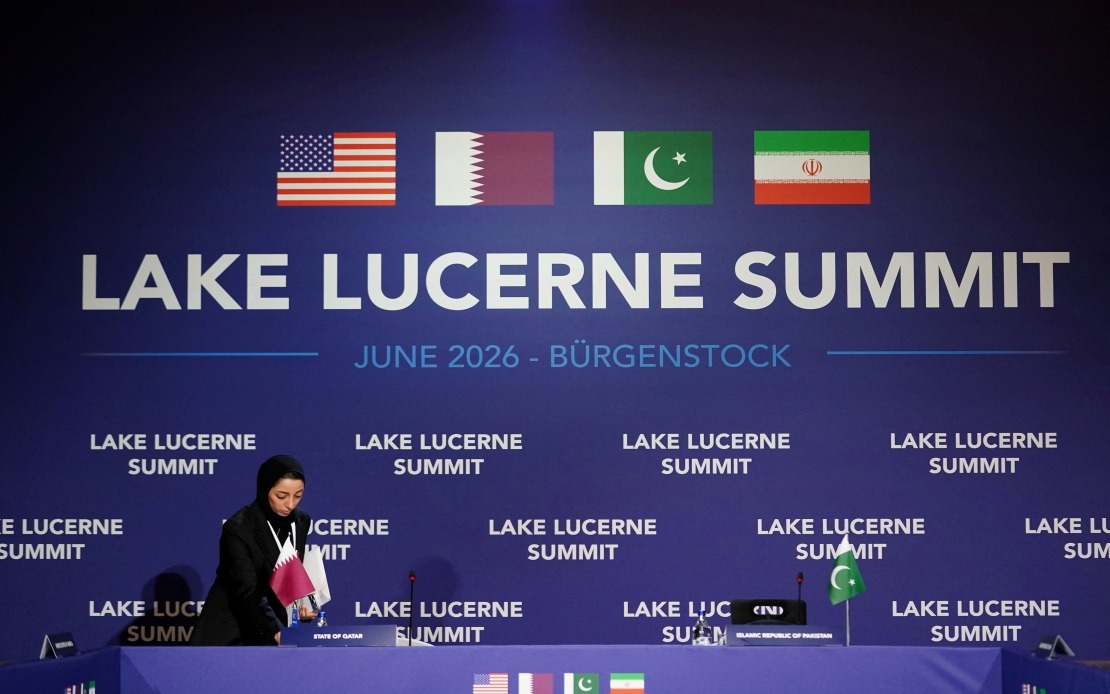
Four significant regional powers have publicly endorsed a diplomatic breakthrough between Washington and Tehran, signalling cautious optimism about de-escalation efforts in West Asia. The foreign ministers of Türkiye, Egypt, Pakistan and Saudi Arabia released a joint statement following their meeting in Cairo on Sunday, specifically welcoming the Islamabad Memorandum of Understanding signed between the United States and Iran. This multilateral backing from nations with distinct strategic interests underscores the potentially transformative nature of the agreement and reflects broader regional appetite for reducing military tensions that have threatened stability across the Middle East and beyond.
The four-nation statement characterised the memorandum as a "constructive step towards de-escalation," marking a significant moment in efforts to end conflict that has created ripple effects far beyond the immediate region. The diplomatic language deliberately emphasised how sustained tensions between the US and Iran have jeopardised far more than bilateral relations—they have created cascading risks to regional security architecture, the stability of critical energy supplies, and the functioning of global maritime trade routes. This framing reflects genuine concerns among the endorsing nations about how Iranian-American confrontation has disrupted commerce, deterred investment, and created unpredictable security environments that complicate their own strategic planning and economic development.
Pakistan's role in facilitating these negotiations received particular commendation from the foreign ministers, reflecting Islamabad's positioning as a neutral diplomatic intermediary in regional disputes. The statement specifically highlighted Pakistan's organisational contributions to enabling the negotiation process, a gesture of recognition that amplifies Pakistan's growing influence as a bridge-builder in West Asian affairs. Additionally, the ministers acknowledged Qatar's supportive role in backing these diplomatic efforts, underscoring how multiple regional actors have invested political capital in achieving this breakthrough. Such multilateral endorsement from respected regional voices carries weight in legitimising the agreement among sceptical constituencies across the Middle East.
Crucially, the joint statement did not present the Islamabad Memorandum as a final settlement but rather as an important opening move in what must be an extended negotiation process. The foreign ministers explicitly stressed the necessity of "moving swiftly to the next stage of negotiations," calling for comprehensive agreements that would be long-term, verifiable, and mutually acceptable to all parties. This measured approach acknowledges that sustainable peace requires building confidence through staged implementation rather than attempting to resolve decades of mistrust through a single accord. The emphasis on verification mechanisms reflects legitimate concerns about ensuring compliance and preventing future breaches of agreement.
A critical dimension of the statement involved protecting the interests of neighbouring Gulf states and Levantine nations, which have long feared being marginalised in major power agreements affecting their security environment. The ministers insisted that any future comprehensive settlements must adequately account for the legitimate security concerns of these states, a demand that signals these four nations' commitment to inclusive regional diplomacy rather than arrangements imposed by distant powers. This position reflects broader frustrations in West Asia about historical patterns where external actors have negotiated regional affairs without consulting affected neighbours, sometimes producing outcomes that destabilised entire sub-regions.
The Palestinian question featured prominently in the joint statement, with the ministers reaffirming that lasting peace and stability in West Asia remains inextricably linked to resolving the Israeli-Palestinian conflict. This framing positions the US-Iran agreement not as an isolated breakthrough but as one element within a broader requirement for comprehensive regional stability. The ministers reaffirmed support for Palestinian statehood within 1967 borders with East Jerusalem as capital, consistent with established UN resolutions—a position that maintains continuity with decades of Arab consensus while signalling that regional powers view the Palestinian cause as fundamental to any durable peace architecture.
For Malaysian and Southeast Asian observers, this multilateral statement carries several implications worth considering. The agreement demonstrates that even amid profound geopolitical divisions, regional powers can identify sufficient common ground to endorse diplomatic progress, suggesting that intractable conflicts need not remain frozen indefinitely. Furthermore, the emphasis on energy market stability and maritime security resonates directly with Southeast Asian interests, given the region's dependence on secure shipping lanes and stable energy supplies. Disruptions in West Asian oil markets or shipping routes through the Strait of Hormuz directly affect regional economies, making de-escalation efforts in that part of the world relevant to prosperity and stability thousands of kilometres away.
The Islamabad Memorandum represents a threshold moment rather than a conclusive solution, and the joint statement's call for urgent progression toward comprehensive settlements acknowledges this reality. The four nations have positioned themselves as invested stakeholders in ensuring that this initial breakthrough translates into durable institutional arrangements that reduce the likelihood of conflict recurrence. Their collective voice carries weight precisely because these countries represent diverse perspectives—Türkiye as a regional power with its own Iran concerns, Egypt as the Arab world's most populous nation, Pakistan as a neighbour of Iran with strategic depth in South Asian politics, and Saudi Arabia as the Gulf's primary power and Iran's principal regional rival.
The statement ultimately reflects a calculation among these important regional actors that sustained conflict serves no party's interests and that managed competition through diplomatic channels better serves their long-term security and prosperity. By publicly backing the Islamabad Memorandum, these foreign ministers have signalled their willingness to invest diplomatic resources in consolidating this opening and pushing toward more comprehensive arrangements. Their emphasis on verification, mutual acceptability, and protection of regional interests suggests they understand that success will require patience, transparency, and genuine commitment to building confidence through demonstrated compliance—not merely signing documents, but creating genuine structural change in how regional powers manage their inevitable differences.
%22%2F%3E%3C%2Fpattern%3E%3C%2Fdefs%3E%3Crect%20width%3D%22100%25%22%20height%3D%22100%25%22%20fill%3D%22url(%23ph4j62ug)%22%2F%3E%3Crect%20width%3D%22100%25%22%20height%3D%22100%25%22%20fill%3D%22url(%23ph4j62up)%22%2F%3E%3Ctext%20x%3D%2250%25%22%20y%3D%2250%25%22%20text-anchor%3D%22middle%22%20dominant-baseline%3D%22central%22%20fill%3D%22rgba(255%2C255%2C255%2C0.95)%22%20font-family%3D%22Georgia%2C%20'Times%20New%20Roman'%2C%20serif%22%20font-weight%3D%22700%22%20font-size%3D%22320%22%20letter-spacing%3D%22-0.02em%22%3EIran%3C%2Ftext%3E%3C%2Fsvg%3E)