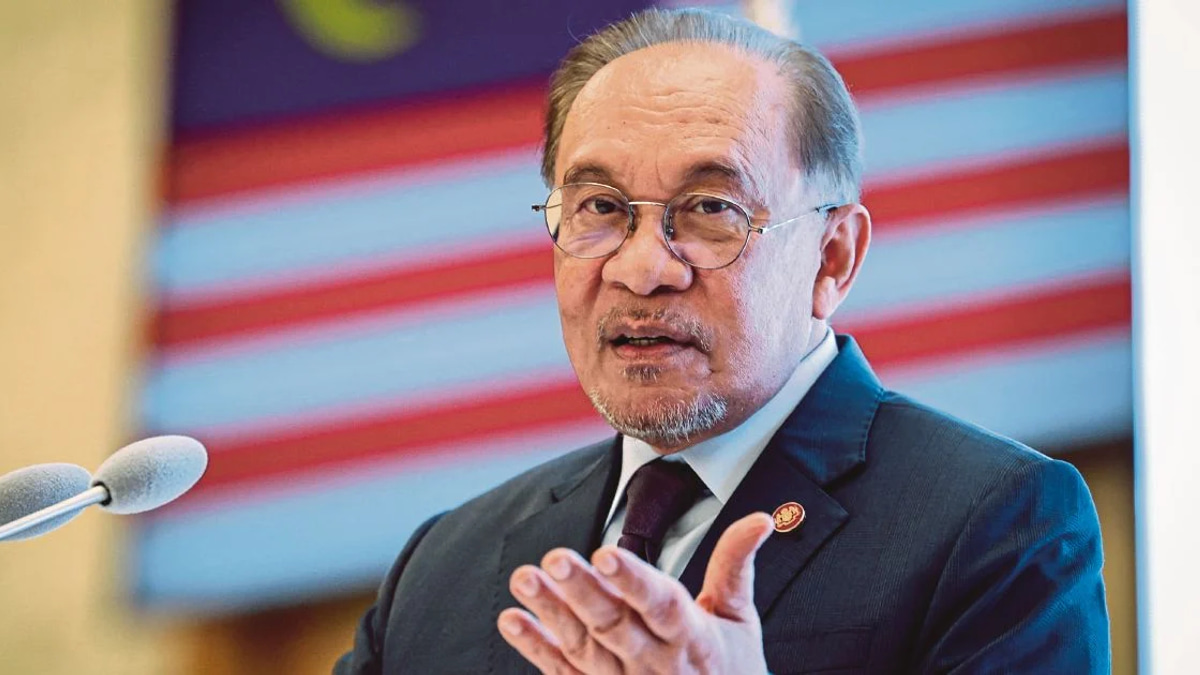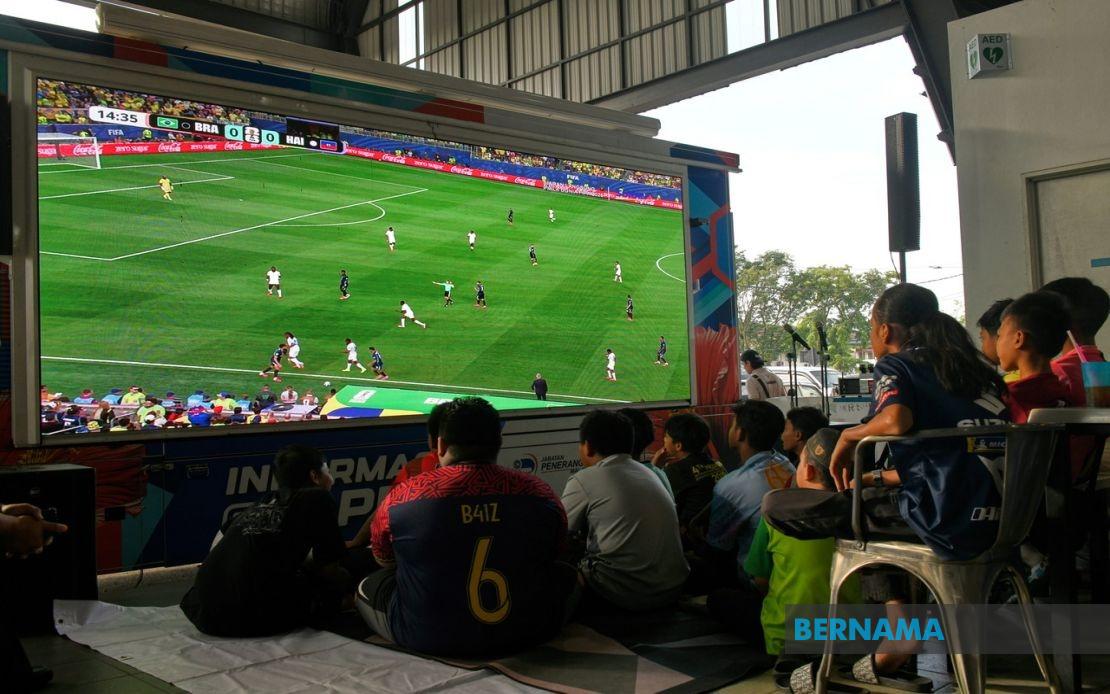
Communications Minister Datuk Fahmi Fadzil has lauded the government's decision to provide free broadcasts of the 2026 FIFA World Cup through Radio Televisyen Malaysia and Unifi TV, emphasising that the initiative is delivering tangible financial relief to the hospitality sector and ordinary Malaysians. Speaking in Butterworth after attending a World Cup viewing event, Fahmi highlighted the positive feedback received from restaurant operators and business owners who have welcomed the move as a means to reduce operational expenses during major sporting tournaments.
The initiative addresses a longstanding concern in Malaysia's food and beverage industry, where securing paid broadcasting rights for international sporting events has historically represented a significant overhead cost. According to Fahmi, representatives from the Malaysian Muslim Restaurant Owners Association have expressed strong appreciation for the provision, noting that the free access arrangement generates considerable savings that would otherwise be passed on to diners or absorbed by restaurant balance sheets. One trader shared with the minister that this represents the first occasion in more than twenty years that he has been able to show World Cup matches to customers at no broadcast cost, underscoring how previous transmission arrangements had burdened small and medium-sized enterprises.
The accessibility of matches through multiple platforms—RTM, RTMKlik, and Unifi TV—ensures that both commercial establishments and household viewers can follow matches without financial barriers. This multi-platform approach reflects a calculated effort by authorities to maximise reach and participation across different demographic and socioeconomic segments. For food courts and restaurant operators, the elimination of broadcasting fees removes a direct operational drag during periods when customer footfall might otherwise be driven by major sporting events. Fahmi framed the initiative as a strategic move to support the hospitality sector in attracting patrons, suggesting that the free availability of World Cup content could convert casual viewers into paying customers for food and beverages.
The broader economic context underlying this initiative involves the pressure facing Malaysia's small business community from multiple cost pressures. Beyond labour and ingredient expenses, utility bills and licensing fees have contributed to a challenging operating environment for traders. The geopolitical situation affecting global supply chains, particularly tensions in West Asia, has introduced additional cost inflation for imported goods and commodities. By removing broadcasting expenses from the calculation, the government has identified one controllable variable that can ease the financial burden on enterprises already navigating elevated costs. This targeted intervention reflects awareness that the cumulative effect of cost increases across multiple categories can threaten business viability.
Fahmi's visit to the Seberang Jaya Public Market food court served a dual purpose beyond the ceremonial attending of a World Cup viewing event. The minister spent time watching the Brazil versus Haiti match alongside members of the public and engaged directly with traders at their stalls, using the occasion to gather grassroots intelligence on business conditions and specific challenges. This ground-level engagement provided him with unfiltered perspectives on trader expectations regarding government support and assistance mechanisms that might be available at state or federal level. Rather than relying solely on official reports or sectoral associations, Fahmi prioritised direct conversation with business owners operating in the informal and semi-formal economy.
The feedback gathered during this market visit has been elevated to senior political leadership, with Fahmi indicating that he plans to convey trader concerns and inputs to Prime Minister Datuk Seri Anwar Ibrahim and Penang Chief Minister Chow Kon Yeow. This direct transmission of ground-level intelligence to top decision-makers suggests an intention to ensure that policy responses are informed by real-world operational realities rather than abstract economic modelling. By bridging the gap between market-level traders and national leadership, such visits create accountability for government promises and help identify policy gaps that require urgent attention.
Fahmi also used the occasion to encourage greater field engagement by other government representatives, including fellow ministers, Members of Parliament, and state assemblymen. His appeal for more frequent on-the-ground visits reflects a conviction that firsthand observation of trader circumstances creates better informed policymaking and demonstrates political commitment to the concerns of ordinary business operators. When elected representatives interact directly with those implementing policies, the quality of feedback improves and the legitimacy of subsequent policy adjustments is enhanced. This approach contrasts with governance models that rely heavily on reports and statistics filtered through bureaucratic processes.
The regional context for Malaysia's initiatives around World Cup broadcasting relates to broader competition for viewership and consumer spending during international sporting events. Neighbouring countries and other markets compete for advertising revenue and audience attention during such tournaments, and the availability and cost of broadcasts influence viewing patterns and associated spending patterns. By securing free broadcasting access and distribution, Malaysia positions itself competitively within regional media landscapes while simultaneously supporting domestic business interests that depend on attracting customers during peak sporting events.
The geopolitical dimensions of cost pressure that Fahmi referenced—particularly the West Asia conflict's impact on Malaysian import prices—represent longer-term structural challenges that cannot be resolved through broadcast cost elimination alone. However, the removal of controllable expenses like broadcasting fees represents the kind of incremental relief that can compound across multiple policy domains. For a small restaurant operator facing simultaneous increases in ingredient costs, utility expenses, and labour pressures, a reduction in broadcasting outlays provides breathing room in otherwise constrained budgets.
Looking forward, the success of the free World Cup broadcast initiative may shape government expectations regarding similar arrangements for other major sporting events. If the initiative demonstrably boosts customer traffic to food establishments and generates positive public sentiment, it could establish precedent for applying free or subsidised broadcasting access to other tournaments and sporting fixtures. This approach treats broadcasting access as a form of indirect subsidy to the hospitality sector rather than a purely entertainment provision, acknowledging the economic multiplier effects when small businesses face reduced operating costs.
The timing of this initiative, preceding the 2026 World Cup, allows sufficient lead time for businesses to adjust their event planning and marketing strategies. Traders can confidently market their establishments as venues for watching World Cup matches without needing to budget for substantial broadcasting licence fees, potentially investing those savings in improved seating, food quality, or promotional activities instead. This enables the hospitality sector to compete more effectively for the consumer spending that typically accompanies major international sporting events.