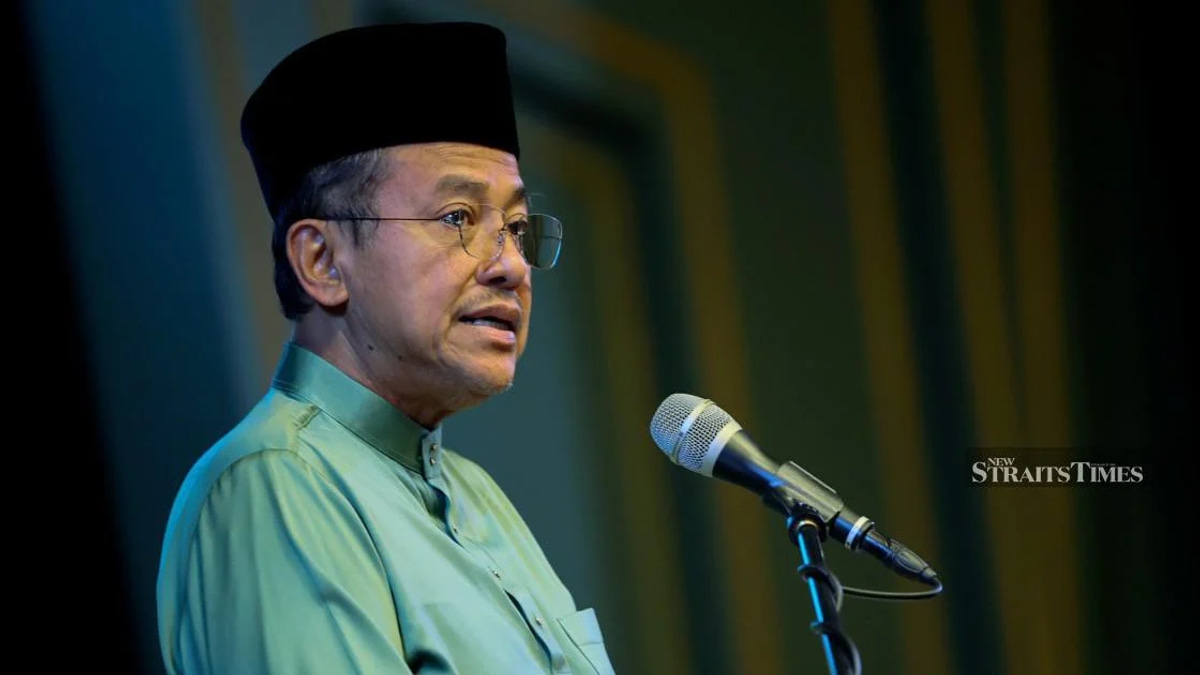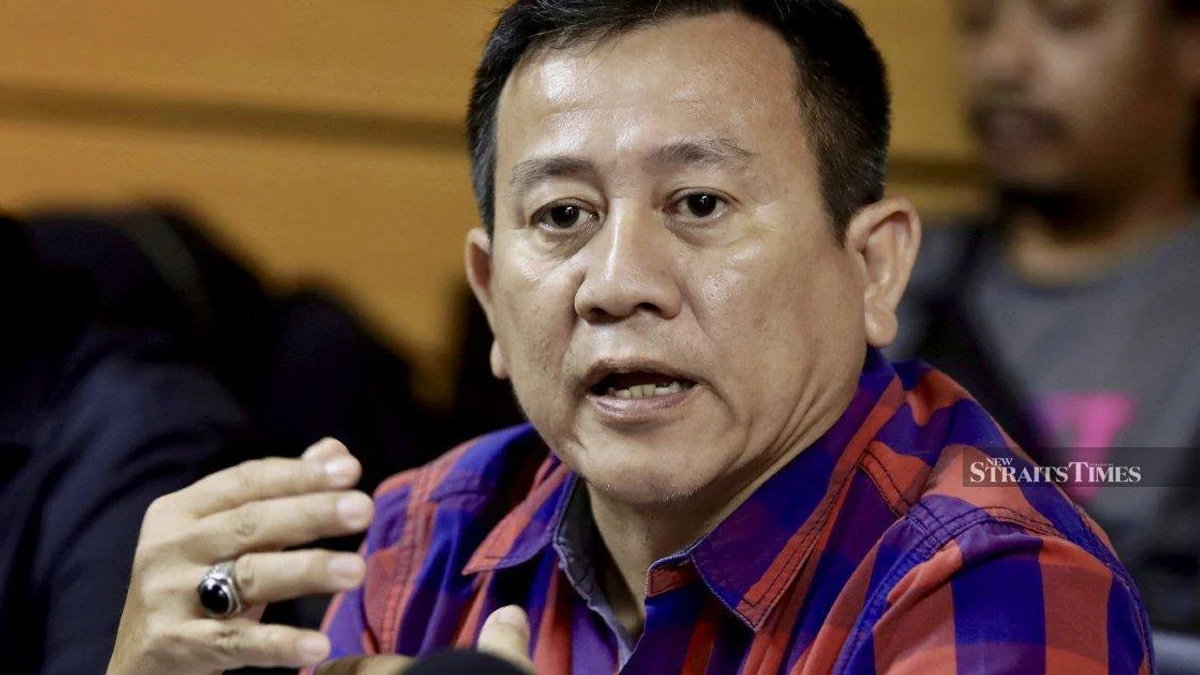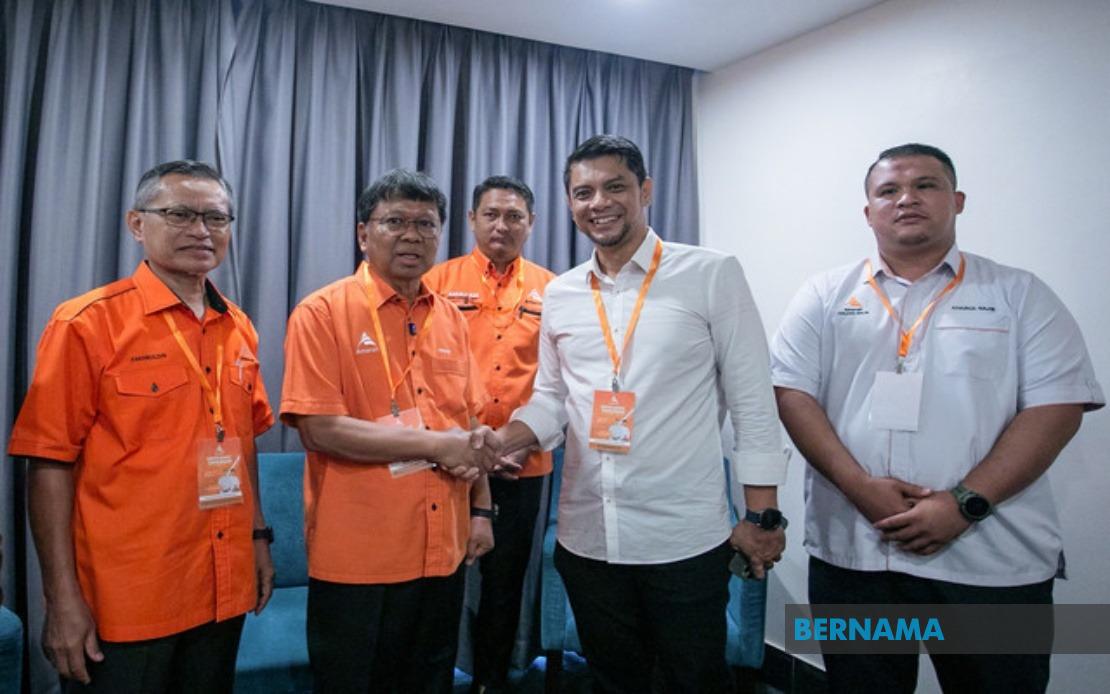
Former Titi Serong state assemblyman Hasnul Zulkarnain Abd Munaim has ended a six-year estrangement from Parti Amanah Negara, returning to the party fold after receiving approval during Amanah's National Management and Leadership meetings held on June 18. The readmission represents a notable development in Perak's fractious political landscape, where allegiances have shifted dramatically over recent years, and underscores the party's evolving strategy toward reclaiming lost ground among returning members.
Perak Amanah chairman Datuk Asmuni Awi confirmed the decision to readmit Hasnul Zulkarnain, whose track record includes serving as the party's state youth chief prior to his departure. The party leadership signalled that circumstances had finally aligned to revisit applications from former members seeking to rejoin Amanah's ranks. Asmuni noted that such readmissions reflected a broader pragmatic adjustment adopted across the political spectrum, acknowledging that former members often retain ideological alignment with their previous parties despite temporary departures.
The timing of Hasnul Zulkarnain's return carries particular significance given the fragmentation that has characterised Perak politics since the dramatic political realignment in 2020. At that juncture, a wave of crossovers reshaped the state's parliamentary and state assembly configurations, forcing many representatives to reassess their political homes. The circumstances that prompted his initial exit have largely stabilised, and party leadership has determined that the environment now permits serious discussion of reabsorbing disillusioned defectors.
Asmuni articulated the party's reasoning during comments to reporters following Amanah's Tambun annual meeting in Ipoh, describing the readmission as a strengthening manoeuvre. The chairman suggested that many individuals who had previously departed Amanah retained ideological conviction toward the party's foundational principles and struggle narrative, despite having sought political alternatives. This assessment suggests party strategists believe the potential electoral and organisational benefits of reclaiming such members outweigh concerns about the precedent of accepting returnees.
Hasnul Zulkarnain's own trajectory illustrates the volatile nature of Malaysian state-level politics. Having abandoned Amanah in March 2020 during the momentous shift when Perikatan Nasional consolidated control of the state government, he initially transitioned to independent status alongside two DAP colleagues—former Tronoh assemblyman Yong Choo Kiong and former Buntong assemblyman A. Sivasubramaniam. This three-pronged exit effectively signalled the broader seismic political realignment occurring in Perak at that precise moment.
Within four months of leaving Amanah, Hasnul Zulkarnain moved again, this time joining Parti Pribumi Bersatu Malaysia in July 2020. His subsequent tenure with Bersatu spanned the better part of six years, during which considerable political transformation unfolded both at state and federal levels. Bersatu's own trajectory—including its internal divisions and shifting fortunes—may have contributed to Hasnul Zulkarnain's recalibration of his political positioning.
The returning assemblyman expressed gratitude toward party leadership for facilitating his reintegration, characterising the decision as an affirmation of confidence in his capacities and prospective contributions. Such rhetoric suggests negotiations preceding the formal approval likely involved assurances regarding his future roles and responsibilities within the party structure. For Amanah, accepting his return signals both vulnerability and pragmatism—acknowledging that recovering former members requires demonstrating organisational strength and forward momentum.
Amanah's decision to adopt a more welcoming stance toward returning members reflects broader calculations within Malaysia's opposition-leaning parties. Having endured the turbulence and setbacks characteristic of post-2018 Malaysian politics, parties perceive potential value in consolidating their bases through strategic readmissions. This approach potentially addresses concerns about party-hopping and rewarding political opportunism, but party leadership has evidently determined that the benefits of reabsorption outweigh such risks.
For Perak specifically, the readmission narrative intersects with ongoing competition for dominance within a state legislature that has experienced considerable compositional changes. The state's political complexion remains contested between various coalitions, and Amanah's efforts to strengthen its representation through member recovery form part of this broader competition. Whether such readmissions genuinely translate into electoral advantages or organisational cohesion remains contingent on implementation and the reception such moves receive within existing membership bases.
The decision also carries implications for other Amanah members who may have departed during periods of internal dissatisfaction or political flux. By signalling openness to reconsidering departure, the party essentially invites reconsideration from others who left, potentially triggering applications from individuals whose circumstances or perspectives have similarly evolved. The success or complications arising from Hasnul Zulkarnain's reintegration will likely shape how systematically Amanah pursues similar readmissions going forward.