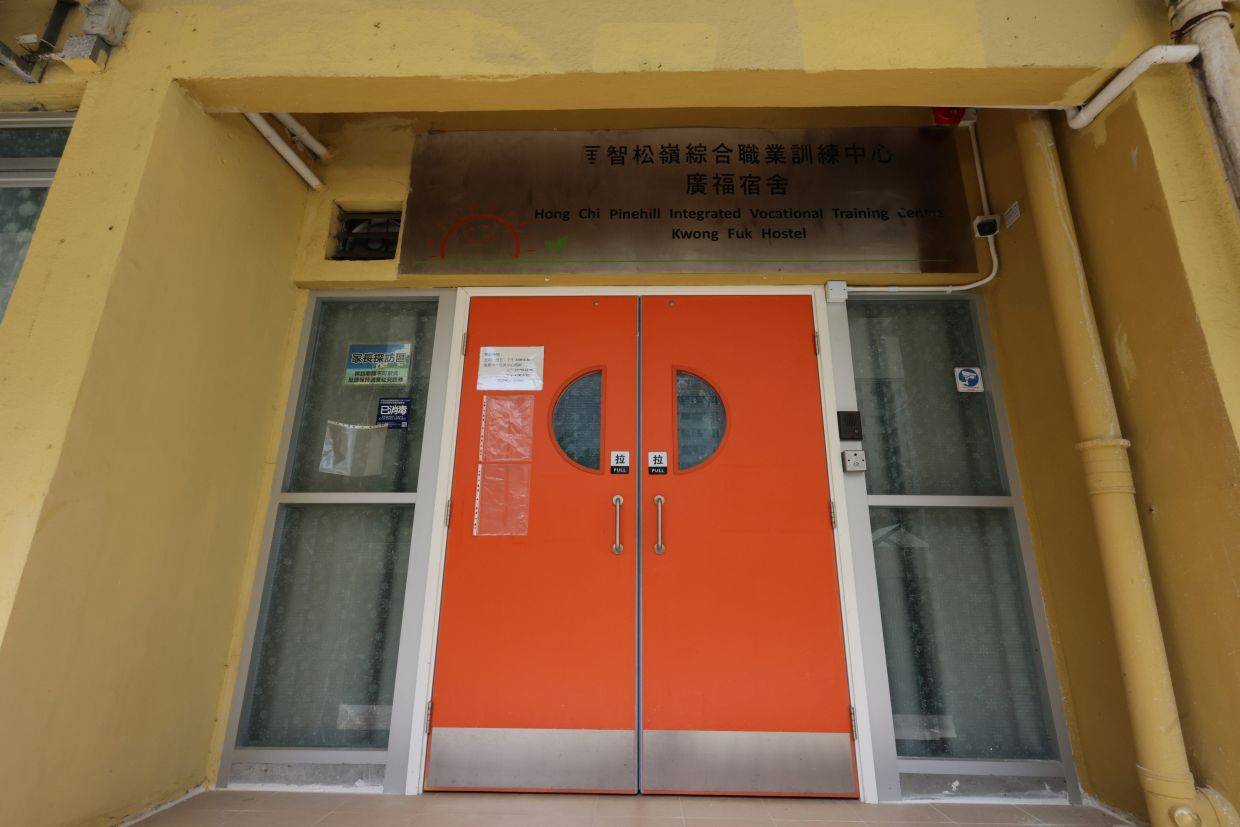
A high-profile trial has begun in Hong Kong's High Court involving an ex-assistant warden accused of repeatedly raping a resident at a care facility for the intellectually disabled. Chung Pui-kei faces five charges related to alleged assaults on a woman known as X between July and August 2024, while he was employed at the residential home operated by the Chi Association in Tai Po.
The case has thrust into sharp focus vulnerabilities affecting some of Hong Kong's most at-risk populations. X, now aged 23, possessed intellectual functioning equivalent to that of a nine-year-old and 10-month-old child, according to expert testimony delivered at the opening of proceedings before Judge Douglas Yau Tak-hong. The jury comprises four men and two women. Prosecutor Human Lam Hiu-man has constructed the Crown's case using multiple evidence strands, including video-recorded police interviews with the victim, surveillance footage, physical evidence, and medical expert testimony about X's mental health history and cognitive capacity.
According to the prosecutor's opening statement, the defendant cultivated a relationship of apparent trust with the victim through seemingly innocent activities. Lam outlined how Chung positioned himself as a friendly figure to X, regularly engaging her in conversation, playing video games including Mario Kart, and offering treats such as marshmallows. This grooming behaviour is understood to have created an environment in which the vulnerable woman felt comfortable around the accused, making her less likely to resist or report what followed. The prosecution suggests this dynamic was deliberately manipulated by someone in a position of care and authority.
The alleged attacks occurred in two distinct locations within the facility. Three incidents allegedly took place in a male staff room, whilst two others reportedly happened in X's own residential quarters. In each instance, Lam told the court that Chung allegedly locked doors before undressing both himself and his victim prior to committing the sexual assault. The victim recalled experiencing physical pain during some encounters and on certain occasions explicitly said no or expressed discomfort, according to testimony. However, Lam noted that on other occasions X remained silent, later explaining to investigators that she feared being scolded by Chung if she resisted.
Investigators uncovered physical evidence supporting the prosecution narrative. Police discovered condoms and related items stored in a locker within the male staff rest area. More significantly, officers identified a bedsheet from X's room that contained both Chung's semen and X's DNA, providing biological corroboration of the defendant's presence in her sleeping quarters under circumstances consistent with the allegations. These forensic findings represent pivotal evidence in establishing that intimate contact occurred.
Expert medical testimony has been central to establishing X's vulnerability and reliability as a witness. Psychiatrist Lydia Lam Yi-ngar from Tai Po Hospital examined X on two occasions in 2024, in August and October, following the alleged incidents. The psychiatrist has diagnosed X with bipolar affective disorder and documented her history of psychiatric hospitalisation in both 2018 and 2021 for mental health treatment. However, the doctor confirmed that X had remained stable following medication compliance and required only routine clinical monitoring after discharge. Psychiatrist Lam's assessment determined that X showed no signs of post-traumatic stress disorder during her 2024 examinations and was not psychotic at those assessments, suggesting her mental state was sufficiently stable to provide coherent account of events.
Clinical psychologist Wong Yik-tung from the Social Welfare Department has also provided expert assessment of X's cognitive functioning. Wong conducted intellectual capacity evaluations following the alleged assaults to establish formally X's level of intellectual disability. This expert opinion serves to explain why X might have been unable to resist effectively or report the assaults promptly, factors relevant to understanding her behaviour as a potential victim. The psychologist's testimony addresses fundamental questions about X's ability to consent to sexual contact and to make independent decisions regarding disclosure.
The defence has begun constructing its own narrative through cross-examination. Counsel Lawrence Hui Cheuk-lun questioned Psychiatrist Lam about whether medication non-compliance could produce hallucinations affecting perception of facial features, potentially casting doubt on X's ability to accurately identify her alleged attacker. However, the psychiatrist responded that hallucinations are not a recognised side effect of valproate sodium, one of the two medications X takes as a mood stabiliser. Furthermore, blood tests demonstrated that X's medication levels were consistent with required dosage during July 2024, the period encompassing some of the alleged assaults, suggesting she was taking her prescriptions as directed.
This case resonates deeply within Hong Kong's broader social context, exposing systemic risks within care facilities serving vulnerable populations. The alleged conduct reveals how power imbalances between staff and residents can be weaponised against those least able to protect themselves. X's intellectual disability and dependent status created asymmetrical dynamics that the prosecution argues Chung exploited deliberately. For Malaysian observers, the case underscores comparable challenges facing care institutions across Southeast Asia, where regulatory oversight, staff training standards, and safeguarding protocols remain inconsistent.
The trial highlights international concerns about institutional abuse and the particular vulnerability of intellectually disabled residents. Investigations have shown that disabled individuals face substantially elevated risks of sexual assault compared to general populations, particularly within residential settings where they depend entirely on caretakers for daily needs. Hong Kong's response, involving specialist prosecution units and expert testimony regarding victim vulnerability, represents one approach to addressing such crimes, though questions remain about prevention mechanisms.
Clinical psychologist Wong's testimony is scheduled to resume on Monday, with evidence likely to focus on the formal assessment of X's intellectual capacity and how her cognitive limitations relate to her ability to resist assault or communicate her experience to authorities. The defence will continue examining whether alternative explanations might account for X's recollection of events. The case will ultimately require the jury to evaluate X's credibility as a witness despite her intellectual disability, assess the reliability of her accounts given her medical history, and determine whether physical and forensic evidence corroborates her allegations beyond reasonable doubt.

