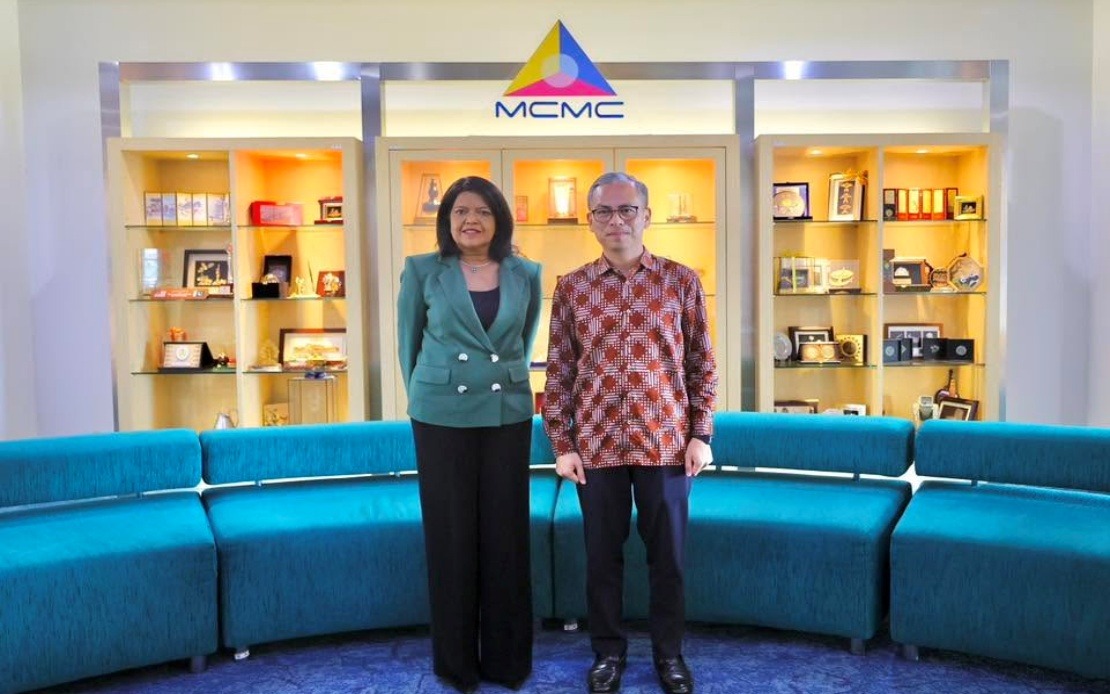
Communications Minister Datuk Fahmi Fadzil has publicly endorsed Tan Sri Nallini Pathmanathan's appointment as chairman of the Malaysian Media Council, marking a significant transition in leadership for the nation's media self-regulatory body. The minister conveyed his congratulations through social media, underscoring the importance of the position at a time when media governance and journalistic credibility remain central to public discourse in Malaysia.
The appointment comes at a pivotal moment for the MMC, which operates as the media industry's primary self-regulatory mechanism under the framework established by the Malaysian Media Council Act 2025. The council's board members formally endorsed Nallini's leadership during a meeting held on May 26, with unanimous support signalling broad consensus within the institution about her suitability for the role. This level of internal backing suggests confidence in her vision and approach to media regulation.
Nallini brings substantial judicial experience to the position, having served previously as a Federal Court judge. Her legal background and understanding of constitutional matters position her well to navigate the complex intersection of media freedom, public interest, and regulatory responsibility. The appointment represents a thoughtful selection of leadership for an institution tasked with maintaining public trust in journalism while respecting the principles of press freedom that underpin democratic societies.
In his statement, Fahmi articulated the government's expectations for the MMC under Nallini's stewardship. He emphasized the importance of the council championing what he termed "responsible media freedom," a phrase that reflects ongoing discussions in Malaysia about balancing journalistic autonomy with accountability to audiences. The minister also highlighted the need to strengthen ethical standards among practitioners, acknowledging that media credibility depends fundamentally on adherence to professional codes of conduct.
The MMC's role as an independent self-regulatory body is particularly significant in the Malaysian context. Rather than relying solely on government regulation or legal frameworks, the council provides media organizations and practitioners with mechanisms for self-governance that can respond swiftly to industry concerns and maintain professional standards. This approach has gained prominence globally as countries recognize that independent self-regulation can complement statutory oversight while preserving editorial independence.
Nallini's appointment also arrives amid broader conversations about media sustainability in Southeast Asia. The Malaysian media landscape, like that of neighbouring countries, faces pressures from digital disruption, changing consumption patterns, and questions about business models in the digital age. The council's role in ensuring the industry remains "sustainable and trusted," as Fahmi noted, involves grappling with these economic realities alongside traditional regulatory concerns.
The establishment of the MMC under the 2025 legislation reflects Malaysia's commitment to formalized institutional frameworks for media governance. This legislative foundation provides the council with statutory recognition while maintaining its self-regulatory character, creating a hybrid model that many democracies have adopted. The clarity this provides to media organizations and the public about the council's mandate and authority enhances its effectiveness as an oversight body.
Journalistic ethics, the second pillar that Fahmi identified in his remarks, encompasses standards around accuracy, fairness, conflicts of interest, and protection of sources. Under Nallini's leadership, the MMC will likely focus on developing and updating guidelines that help journalists navigate emerging ethical challenges, from artificial intelligence in newsrooms to the verification of information in an age of rapid content dissemination. Her judicial background suggests she may bring a structured, precedent-based approach to establishing clearer ethical boundaries.
The appointment also carries implications for how Malaysia positions itself within regional and global media governance discussions. As countries across Southeast Asia develop their own regulatory frameworks, the approaches taken by larger economies like Malaysia often influence neighbouring nations' thinking. Nallini's leadership of the MMC will likely shape conversations about best practices in media self-regulation across the region.
Fahmi's public endorsement signals government support for the council's independence and legitimacy, a crucial signal given that self-regulatory bodies function most effectively when they enjoy confidence from multiple stakeholders including government, industry, civil society, and the public. The minister's framing of the appointment as an opportunity to advance industry interests while maintaining public trust suggests alignment between government expectations and the council's mandate.
Looking forward, the council under Nallini's direction will need to address several ongoing challenges. These include managing complaints about media accuracy and fairness, providing guidance to media organizations navigating digital transformation, establishing standards for emerging platforms and formats, and maintaining relevance to an increasingly diverse media ecosystem that includes digital-native outlets and social media platforms operated by non-traditional media entities.
The decision to appoint a former Federal Court judge also reflects confidence that the MMC's work sometimes requires deep understanding of legal principles and constitutional frameworks. Media regulation intersects regularly with constitutional protections for freedom of expression, and Nallini's judicial expertise positions her to adjudicate complex cases where these principles may appear to conflict with other public interests.
Ultimately, Nallini's appointment represents an institution-building moment for Malaysia's media governance structure. The combination of legislative framework, experienced leadership, and clear public support from government provides a foundation upon which the council can work to enhance professional standards while protecting the media independence essential to democratic functioning. The success of this appointment will ultimately be measured by the MMC's ability to resolve disputes fairly, establish credible guidelines that the industry respects, and maintain public confidence in its work.

%22%2F%3E%3C%2Fpattern%3E%3C%2Fdefs%3E%3Crect%20width%3D%22100%25%22%20height%3D%22100%25%22%20fill%3D%22url(%23ph40buhg)%22%2F%3E%3Crect%20width%3D%22100%25%22%20height%3D%22100%25%22%20fill%3D%22url(%23ph40buhp)%22%2F%3E%3Ctext%20x%3D%2250%25%22%20y%3D%2250%25%22%20text-anchor%3D%22middle%22%20dominant-baseline%3D%22central%22%20fill%3D%22rgba(255%2C255%2C255%2C0.95)%22%20font-family%3D%22Georgia%2C%20'Times%20New%20Roman'%2C%20serif%22%20font-weight%3D%22700%22%20font-size%3D%22320%22%20letter-spacing%3D%22-0.02em%22%3EGRS%3C%2Ftext%3E%3C%2Fsvg%3E)