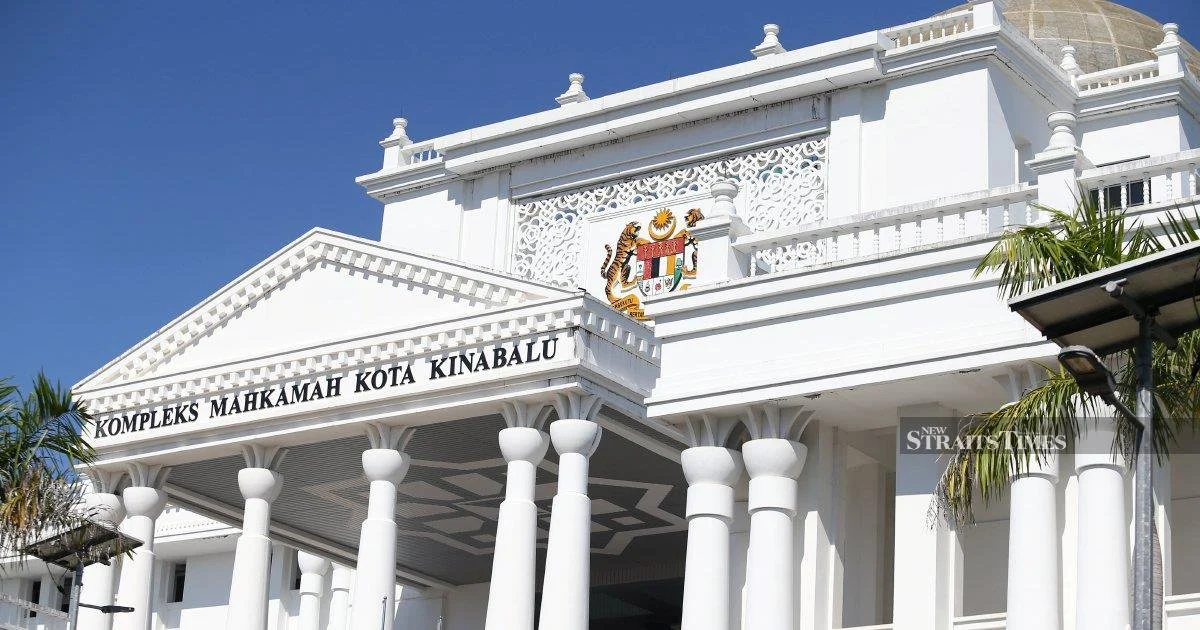
The ongoing inquest into the death of 13-year-old Zara Qairina Mahathir progressed here in Kota Kinabalu as the 74th witness took the stand, providing testimony that placed significant limitations on the scope of expert analysis available to the court. The witness, a document examination specialist, informed the judicial inquiry that she lacked the capacity to contradict or rebut the conclusions reached by another expert operating within the same forensic discipline.
This development highlights a fundamental tension within forensic document analysis, where multiple qualified practitioners may examine identical evidence yet maintain professional boundaries about challenging colleagues' work. The reluctance or inability to directly contest parallel expert findings creates a particular challenge for judicial proceedings, which often depend on cross-examination and contradictory expert testimony to establish truth and test the reliability of forensic conclusions.
Document examination as a forensic science involves the analysis of handwriting, signatures, typewritten materials, alterations, erasures, and other physical characteristics of documents to determine authenticity, authorship, or manipulation. In cases of this magnitude, courts typically rely on expert witnesses to provide independent assessments that can be tested through rigorous questioning. When experts decline or state they cannot directly challenge each other's work, it may reflect professional courtesy, genuine epistemological limitations, or the reality that certain findings simply do not contradict one another.
The Zara Qairina Mahathir inquest has drawn significant public attention throughout Malaysia and the broader Southeast Asian region, with the proceedings now spanning numerous witness testimonies and expert consultations. The 13-year-old's death remains a matter of considerable judicial scrutiny, requiring meticulous examination of all available evidence and expert interpretation. Each witness called represents an incremental step in the court's effort to establish a comprehensive factual record.
The involvement of multiple document examination experts in the inquest suggests that various documentary materials form part of the evidentiary foundation. These might include written statements, medical records, correspondence, or other materials whose authenticity or origin bears on understanding the circumstances surrounding the teenager's death. When different specialists examine such materials independently, their assessments should ideally represent unbiased professional judgments about the same physical evidence.
The inability of the 74th witness to contradict her colleague's findings creates an interesting evidentiary position. It could mean that the first expert's analysis was so comprehensive or technically sound that the second specialist recognised no basis for disagreement. Alternatively, it might reflect the specialist nature of forensic document examination, where certain interpretations rest on methodologies that peers acknowledge without necessarily corroborating or challenging them directly.
For Malaysian judicial proceedings, this situation underscores the importance of ensuring that expert witnesses possess sufficient confidence in their own analysis to engage in genuine adversarial examination of competing conclusions. Courts depend on experts who are willing to defend their methodology and findings against credible alternative interpretations. When experts defer to one another without explanation, the factfinding process may be compromised, and justice may appear insufficiently rigorous to observers.
The extended nature of the inquest, now reaching 74 witnesses, reflects the complexity surrounding Zara's death and the determination of judicial authorities to leave no evidentiary stone unturned. Each witness—whether lay observers, family members, medical professionals, or forensic specialists—contributes a piece to the overall factual mosaic that will ultimately inform the court's conclusion about what occurred and how the young teenager came to die.
Document examination experts occupy a particular role in modern criminal proceedings throughout the Commonwealth jurisdictions that include Malaysia. Their testimony can make or break cases involving forged documents, fabricated confessions, or disputed written evidence. The credibility and independence of such testimony are therefore paramount. When an expert publicly states inability to challenge a colleague's work during proceedings, it invites scrutiny about whether genuine professional disagreement exists or whether the expert is circumscribed by the boundaries of their own analysis.
The proceeding illustrates broader questions about how Malaysian courts integrate and evaluate competing expert evidence, particularly in cases of substantial public importance. The inquest mechanism itself represents the court's commitment to thorough fact-finding when significant deaths occur under circumstances requiring clarification. The accumulation of 74 witness statements demonstrates that judicial authorities are committed to exhaustive investigation, even when individual witnesses provide incremental rather than transformative evidence.
As the inquest continues, the court will ultimately synthesise all witness testimony, expert analysis, and documentary evidence into findings that address the central questions surrounding Zara Qairina Mahathir's death. The limitations expressed by the 74th witness regarding her capacity to dispute another expert's conclusions do not necessarily impede that process, but they do remind observers that forensic science operates within particular professional and epistemological constraints that differ from lay conceptions of how evidence should be tested and challenged.

