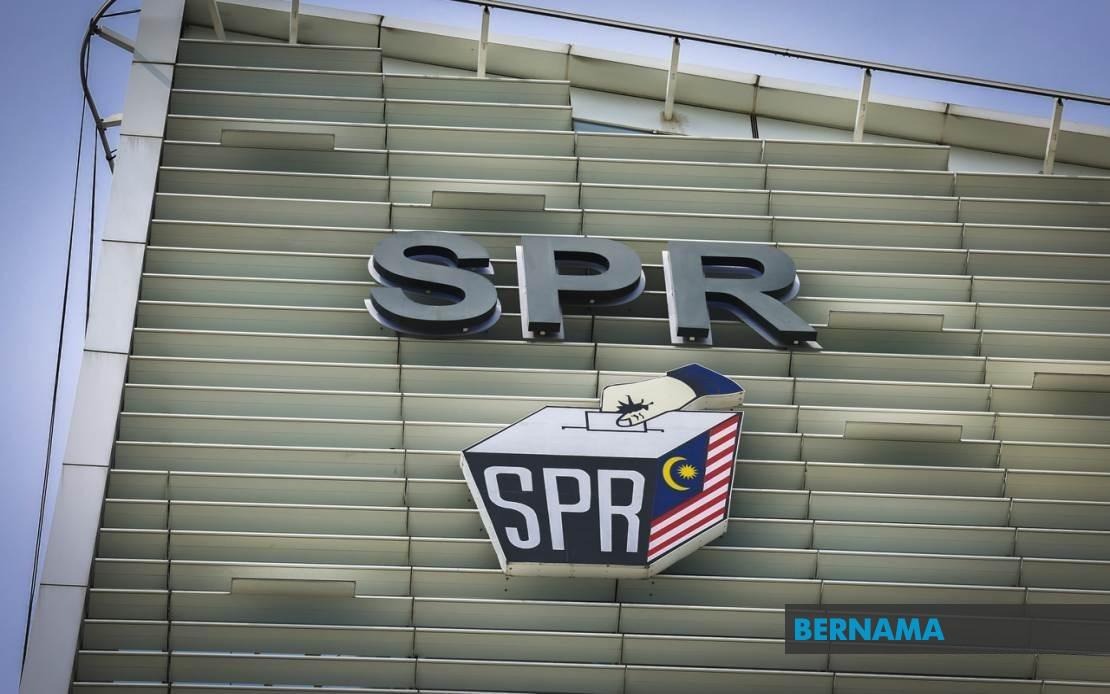
Malaysia's Election Commission has distributed 24,677 postal ballot papers to eligible voters across all 56 state constituencies in Johor ahead of the 16th state election scheduled for July 11. The distribution was overseen by EC secretary Datuk Khairul Shahril Idrus and completed on June 29 in accordance with the Election (Postal Voting) Regulations 2003, with representatives from all contesting parties present during the process.
The postal voting system represents a critical component of electoral accessibility in Malaysia, enabling certain categories of voters to participate despite logistical constraints or professional obligations that prevent them from voting on election day. For the Johor contest, the EC identified three distinct voter categories eligible for postal ballots, each serving a specific purpose within the electoral framework. The distribution reflects the commission's effort to ensure inclusive participation while maintaining stringent security protocols throughout the postal voting process.
The overwhelming majority of postal ballots—23,288 papers comprising 94 percent of the total—were issued under the Form 1A category. This category encompasses election officials, EC members and officers, police personnel, military personnel, and media practitioners. These professionals have legitimate reasons for potential unavailability on polling day, as their duties during the election itself may make in-person voting impractical. The commission's provision for these groups acknowledges the role such personnel play in ensuring election operations proceed smoothly.
A smaller but significant allocation of 1,044 ballot papers was distributed under the Form 1B category, targeting Malaysians residing abroad who wish to participate in the democratic process despite physical distance from their home constituencies. This provision extends electoral participation to the diaspora community, allowing overseas-based citizens to maintain a voice in state affairs. The remaining 345 postal ballots were issued under the Form 1C category for registered agencies and organisations, a category that includes institutional participants in the electoral process.
The EC's distribution process incorporated robust transparency measures designed to prevent irregularities and maintain public confidence in postal voting integrity. All contesting candidates were invited to station representatives during the distribution, providing direct observation of the process and creating a record that multiple stakeholders witnessed the proper handling of ballot materials. This transparent approach helps mitigate concerns about electoral fraud and demonstrates the commission's commitment to fair administration.
However, the introduction of postal ballots into electoral contests simultaneously creates new challenges for maintaining ballot secrecy and preventing undue influence on voters. The EC has therefore issued explicit reminders to postal voters emphasising the importance of treating their ballots with the same confidentiality expected of in-person voters. Voters have been instructed to refrain from photographing their ballot papers or sharing images on social media platforms, recognising that digital dissemination of completed ballots could facilitate vote-buying or family coercion in home environments where privacy cannot be guaranteed.
Postal voters must complete their participation carefully and according to strict procedures. The Identity Declaration Form, designated as Form 2, must accompany each ballot and be completed accurately to ensure the vote is counted. Completed postal ballots must reach the respective constituency returning officers by 5 pm on July 11, establishing a clear deadline that postal voters must observe. This deadline requirement means that voters relying on postal systems must factor in delivery timeframes when submitting their ballots, creating a practical consideration that differs from the straightforward in-person voting experience.
The Johor state election features substantial competition, with 172 candidates contesting across the 56 state constituencies, indicating robust participation from multiple parties and independent candidates. Early voting has been scheduled for July 7, providing an additional voting opportunity for those unable to vote on the main polling day. This multi-stage voting architecture reflects efforts to maximise voter participation while distributing election administration tasks across several days.
From a regional perspective, Malaysia's structured approach to postal voting offers insights into how electoral systems can be adapted to accommodate diverse voter circumstances while maintaining administrative integrity. The requirement for candidate representation during ballot distribution and the emphasis on voter confidentiality represent best practices that other Southeast Asian democracies continue to evaluate. As Malaysia's electoral system evolves and postal voting becomes increasingly prevalent, the protocols established for the Johor election will likely influence future electoral administration across Malaysian states.
The practical success of postal voting in Johor will provide valuable data on whether the system effectively increases participation among target groups without compromising security. Election observers and officials will monitor factors including the proportion of postal votes successfully returned, any spoiled ballots, and compliance with confidentiality guidelines. These metrics will inform assessments of whether postal voting expansions in future contests represent appropriate policy developments or require procedural refinements.

