Universiti Teknologi MARA's Kelantan branch is making a concerted push to ensure that financial constraints do not prevent capable students from low-income families from pursuing tertiary education. The institution's leadership has emphasized that prospective undergraduates should not automatically reject admission offers based on concerns about affordability, as the university operates an extensive ecosystem of financial and welfare support mechanisms designed to help vulnerable learners complete their degrees without undue hardship.
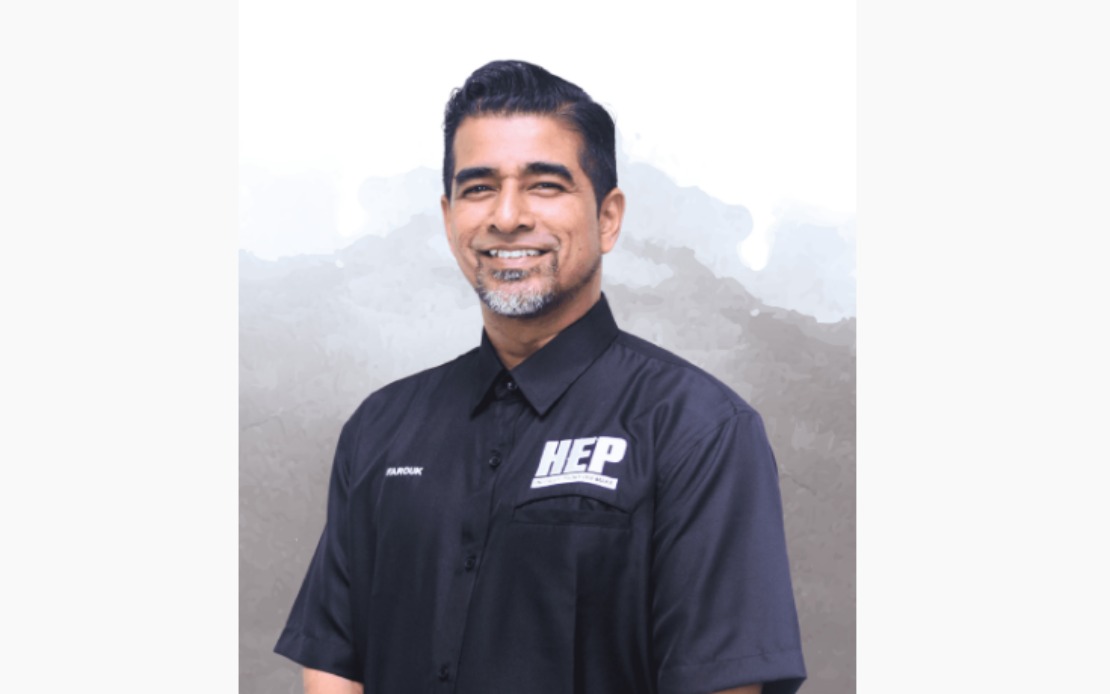
Meer Zhar Farouk Amir Razli, Deputy Rector for Student Affairs at UiTM Kelantan, highlighted that the university recognizes the financial realities facing many Malaysian families and has structured multiple pathways to make higher education accessible. While the National Higher Education Fund Corporation's PTPTN loans remain an established funding channel, the campus administration has established alternative and complementary assistance programmes that students may not immediately be aware of when making their enrollment decisions.
Among the support structures available are zakat assistance programmes that leverage Islamic principles of charitable giving, institutional welfare funds allocated specifically for students facing genuine hardship, and a targeted initiative called "Dapur MADANI" operating within residential colleges. This particular scheme appears designed to address one of the most pressing concerns for low-income students—managing day-to-day living expenses during their time on campus. By subsidizing or providing support for food and basic necessities, the programme aims to reduce the financial stress that often accompanies tertiary study for those from disadvantaged backgrounds.
The timing of UiTM Kelantan's outreach reflects a broader challenge within Malaysia's higher education landscape. Competition for places at public universities remains fierce, with admission slots at established institutions like UiTM highly sought after by qualifying students. This scarcity, while validating the prestige of a university place, can paradoxically discourage qualified but financially vulnerable applicants from accepting offers, as they assume the practical costs of attendance will exceed their family's capacity to support them. The institution's leadership argues that this assumption, while understandable, is not always justified when the full suite of available support is considered.
The university's approach extends beyond information campaigns to direct intervention at the household level. Through its Rector's Cakna Programme, developed in collaboration with local non-governmental organisations, UiTM Kelantan is identifying newly enrolled students with genuine support needs and providing concrete assistance during their critical early months of study. This proactive engagement signals institutional commitment to student retention and success among vulnerable populations, moving beyond passive availability of assistance to active outreach and engagement.
The case of Norzarra Dhania Amir Abdullah, a 19-year-old recipient of direct institutional support, illustrates both the reality of financial barriers and the tangible difference that university assistance can make. Norzarra Dhania faced a painful decision the previous year when she declined an admission offer from UiTM Sarawak despite achieving the academic credentials to pursue higher education. As the eldest of seven children and the primary hope for family advancement, she found herself in a situation where her personal aspirations had to yield to immediate family financial necessity. Her mother's income as a restaurant assistant, already stretched thin, would have been insufficient to support her studies nearly a thousand kilometres away in Sarawak, particularly given that her father had become unable to contribute economically following complications from diabetes four years earlier.
When Norzarra Dhania received a subsequent admission offer from UiTM Kelantan, the circumstances shifted considerably. The geographical proximity to her home in Kota Bharu meant that living expenses could be substantially reduced, while family support and supervision remained practicable. More significantly, her engagement with the Rector's Cakna Programme connected her to direct assistance, including a laptop essential for contemporary academic work. This combination of factors—proximity, institutional support, and practical assistance—transformed what would otherwise have been another rejected offer into a viable pathway to achievement of her educational aspirations. Her intention to pursue a Diploma in Management represents not merely a credential but a potential mechanism for intergenerational mobility within her family.
The broader implications of UiTM Kelantan's advocacy extend across Malaysia's socioeconomic landscape. Talented students from lower-income families frequently encounter what might be termed a "perception gap"—they underestimate the financial support available to them and overestimate the unaffordable residual costs. This gap has measurable consequences for equity and social mobility, as capable individuals from disadvantaged backgrounds may exit the educational pipeline prematurely, not because of insufficient ability but because of incomplete information about available support. Universities that invest in bridging this information gap, as UiTM Kelantan is doing, perform a crucial societal function.
For Malaysian policymakers and other higher education institutions, UiTM Kelantan's model offers important insights. The coordination of multiple funding streams—institutional, government, and community-based—appears more effective than reliance on any single mechanism. The PTPTN system, while valuable, has become increasingly controversial and carries reputational baggage that may discourage otherwise eligible students from accessing it. By diversifying the support landscape and actively promoting awareness of available assistance, universities can reduce the psychological and informational barriers that often accompany applications for financial aid. Furthermore, direct intervention at the household level, as exemplified by the Rector's Cakna Programme, acknowledges that some students need more than financial assistance; they need tangible support and evidence of institutional commitment to their success.
The challenge now lies in scaling and sustaining such initiatives. While UiTM Kelantan's programmes appear well-intentioned and practically beneficial, they are meaningful only insofar as they reach prospective students early enough to influence enrollment decisions and function reliably throughout students' academic careers. Success will require continued resource allocation, staffing capacity, and institutional commitment beyond the initial promotional phase. For students like Norzarra Dhania, the difference between accepting and rejecting a university offer can determine the trajectory of their entire lives, making the stakes of such support mechanisms genuinely consequential.


%22%2F%3E%3C%2Fpattern%3E%3C%2Fdefs%3E%3Crect%20width%3D%22100%25%22%20height%3D%22100%25%22%20fill%3D%22url(%23ph40buhg)%22%2F%3E%3Crect%20width%3D%22100%25%22%20height%3D%22100%25%22%20fill%3D%22url(%23ph40buhp)%22%2F%3E%3Ctext%20x%3D%2250%25%22%20y%3D%2250%25%22%20text-anchor%3D%22middle%22%20dominant-baseline%3D%22central%22%20fill%3D%22rgba(255%2C255%2C255%2C0.95)%22%20font-family%3D%22Georgia%2C%20'Times%20New%20Roman'%2C%20serif%22%20font-weight%3D%22700%22%20font-size%3D%22320%22%20letter-spacing%3D%22-0.02em%22%3EGRS%3C%2Ftext%3E%3C%2Fsvg%3E)