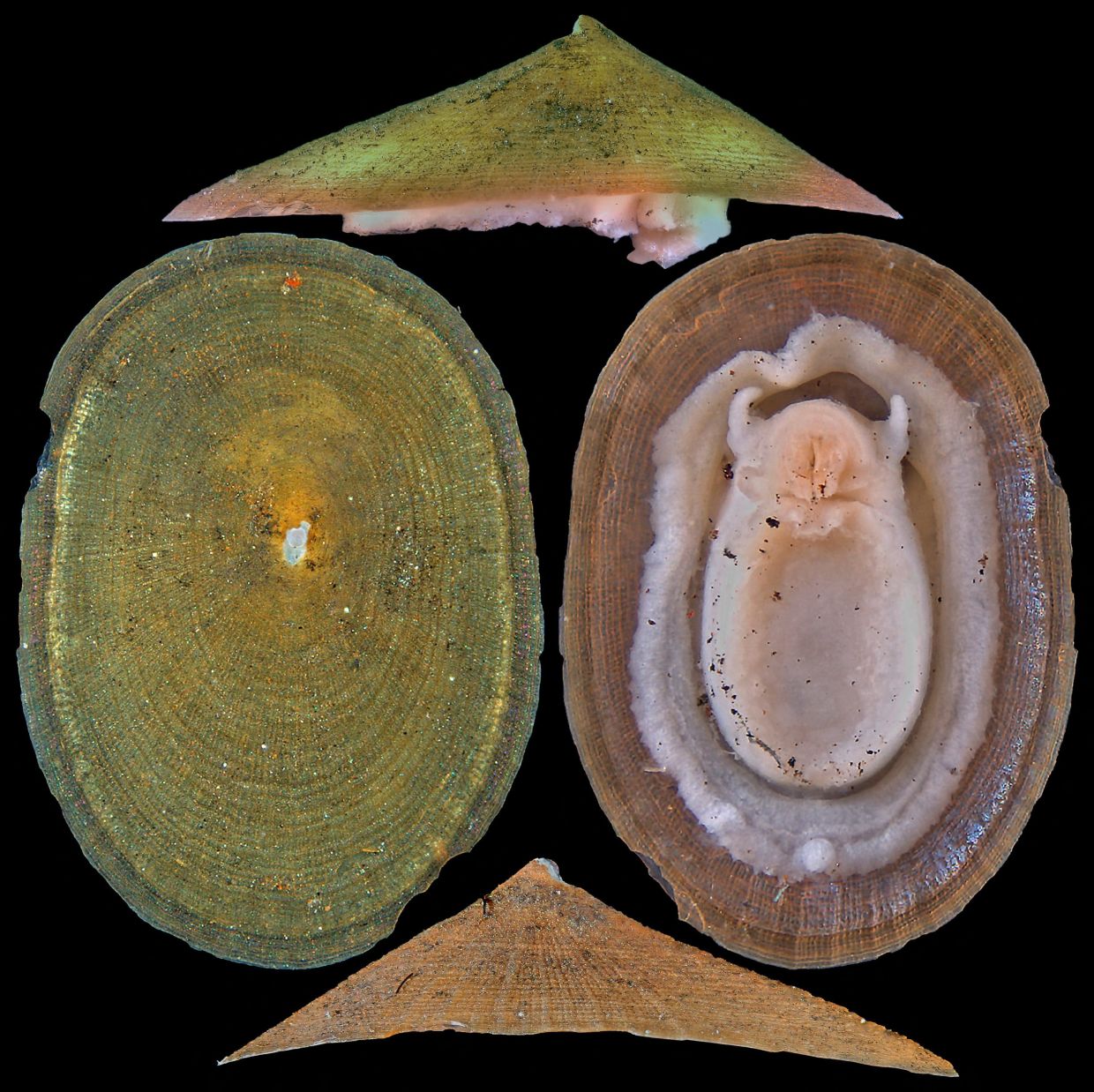
The extraction of minerals from the ocean floor poses an acute threat to marine life adapted to some of Earth's most extreme environments. According to an updated Red List released by the International Union for Conservation of Nature on Thursday, approximately 62 percent of mollusc species found exclusively around deep-sea hydrothermal vents—representing 125 of the 201 known species globally—face serious extinction risk from deep-sea mining operations seeking valuable minerals.
These remarkable creatures inhabit waters plunging to depths exceeding 5,000 metres, where hydrothermal vents discharge superheated water reaching temperatures above 450 degrees Celsius. The fauna inhabiting these extreme niches include snails, limpets, mussels, clams and chitons—organisms whose very survival depends on the stability of these isolated, chemically rich ecosystems. Many species in this group have only been scientifically described within the past decade, yet they now confront the prospect of vanishing before their ecological roles are fully understood.
The IUCN's expanded Red List now encompasses 175,909 species, a significant increase from the 172,620 catalogued in the previous edition. Among these, 49,505 species are classified as threatened with extinction, up from 48,646 previously—a worrying trajectory that underscores mounting pressures on global biodiversity. The new data reveals that molluscs constitute one of the most imperiled animal groups on the planet, facing what specialists characterise as a critical juncture for their long-term survival.
The primary mechanism of harm stems from the sediment plumes generated during deep-sea exploration activities. These suspended particles effectively smother the organisms that inhabit vent zones, simultaneously disrupting their capacity to extract nutrients from the mineral-laden waters on which they depend. The disturbance of their narrow, highly specialised habitats—environments found nowhere else on Earth—creates cascading ecological consequences that specialists are only beginning to comprehend. Julia Sigwart, representing the IUCN mollusc specialist group, emphasised the urgency of the situation, noting that many populations discovered recently already face imminent extinction from human-driven habitat destruction.
The conservation body has taken a firm stance on this issue. In 2021, the IUCN voted to support a moratorium on deep-sea mining pending the implementation of effective marine environmental protections. This position reflects the scientific consensus that current regulatory frameworks remain inadequate to safeguard the vulnerable organisms inhabiting these regions. IUCN chief Grethel Aguilar highlighted the paradox confronting these species: despite having evolved extraordinary survival strategies enabling existence in the planet's harshest known conditions, they now face threats from industrial activity for which evolution offers no preparation.
Beyond the hydrothermal vent molluscs, the updated Red List documents concerning shifts in the conservation status of other species. The desert rain frog, a small amphibian that has achieved considerable popularity through social media, has deteriorated from "near threatened" to "vulnerable" status. This deterioration reflects escalating extraction and development pressures along the western coasts of South Africa and Namibia, where diamond mining operations and energy infrastructure projects encroach upon the species' limited range. Without intervention, population modelling suggests the species will experience a 20 percent decline over the next ten years.
Conversely, the Red List also records a conservation success story. Australia's numbat, a small marsupial sometimes called the banded anteater, has improved from "endangered" to "near threatened" classification. Population estimates now suggest between 2,000 and 3,000 individuals remain, a dramatic recovery from the mere hundreds documented during the 1970s. This turnaround resulted from sustained captive breeding initiatives and comprehensive habitat protection measures undertaken over decades. John Woinarski, co-chair of the IUCN's Australasian marsupial and Monotreme specialist group, emphasised that this recovery demonstrates the efficacy of long-term, strategically coordinated conservation action.
The numbat's recovery offers crucial lessons for species management in a rapidly changing world. However, Woinarski cautioned that without continued vigilance, invasive predators—particularly feral cats and foxes—will resume their devastation of Australia's native marsupials and rodent populations. The species' improvement therefore cannot be regarded as assured but rather as a reprieve dependent on sustained commitment. This conditional success underscores the resource-intensive nature of biodiversity conservation and the necessity for institutional and financial continuity over extended periods.
For Southeast Asian readers and policymakers, these findings carry particular resonance. The region contains some of the world's most biodiverse marine ecosystems, many of which remain inadequately studied and potentially vulnerable to extractive industries. The deep-sea environments surrounding Malaysia, Indonesia and the Philippines may harbour comparable communities of hydrothermal vent organisms whose conservation status remains entirely unknown. As international pressure mounts to secure rare earth minerals and other deep-sea resources to support renewable energy transitions and technological advancement, regional governments face difficult decisions regarding the balance between economic development and environmental protection.
The IUCN's findings suggest that the true costs of deep-sea mining may substantially exceed the economic benefits derived from mineral extraction. The loss of species still unknown to science represents an irreplaceable erosion of Earth's biological and chemical diversity. These vent ecosystems could harbour microorganisms or organisms with properties offering future pharmaceutical or industrial applications yet undiscovered. Southeast Asian nations, many of which possess significant maritime zones with potential deep-sea resources, should carefully evaluate whether short-term mineral wealth justifies permanent loss of unique biological systems whose full value may only become apparent in subsequent decades.

