The 2018-2020 Ebola outbreak that ravaged eastern Democratic Republic of Congo claimed over 2,200 lives across more than 3,400 reported cases, marking the second-largest epidemic in the disease's history. Now, as a new outbreak caused by the rare Bundibugyo virus strain spreads through the same region, survivors are sounding an alarm about repeating the mistakes that allowed the previous disaster to spiral. Their testimonies paint a portrait of how deep-rooted scepticism, religious beliefs, and political distrust transformed a health crisis into a community catastrophe that spread with devastating speed.
Vianney Kambale Kombi, a survivor from Beni, the bustling commercial centre near Uganda and Rwanda's borders, recalls the widespread denial that gripped the city during the outbreak. Many residents rejected the scientific explanation for the disease entirely, attributing deaths and illness instead to supernatural forces or witchcraft. This fundamental rejection of the disease's existence created a chasm between health authorities and the population they sought to protect. Kombi contracted the virus himself after exposure to infected individuals, at a time when the community lacked reliable information about transmission or survival. The combination of fear, cultural beliefs, and misinformation created conditions where the disease could spread almost unchecked through family networks and community gatherings.
The resistance to accepting the outbreak as a legitimate health emergency extended far beyond simple superstition. In a region shaped by political instability and external interventions, conspiracy theories flourished. Some community members dismissed Ebola as a Western invention designed to secure international funding, a narrative that reflected deep historical grievances and suspicions about foreign involvement in Congo's affairs. Others, including survivor Bienfait Wanzire, describe how political campaigns and electoral tensions became entangled with the health crisis. When citizens heard officials discuss an outbreak, they interpreted the message through a lens of political calculation rather than public health concern, further eroding their willingness to follow preventive measures or seek treatment.
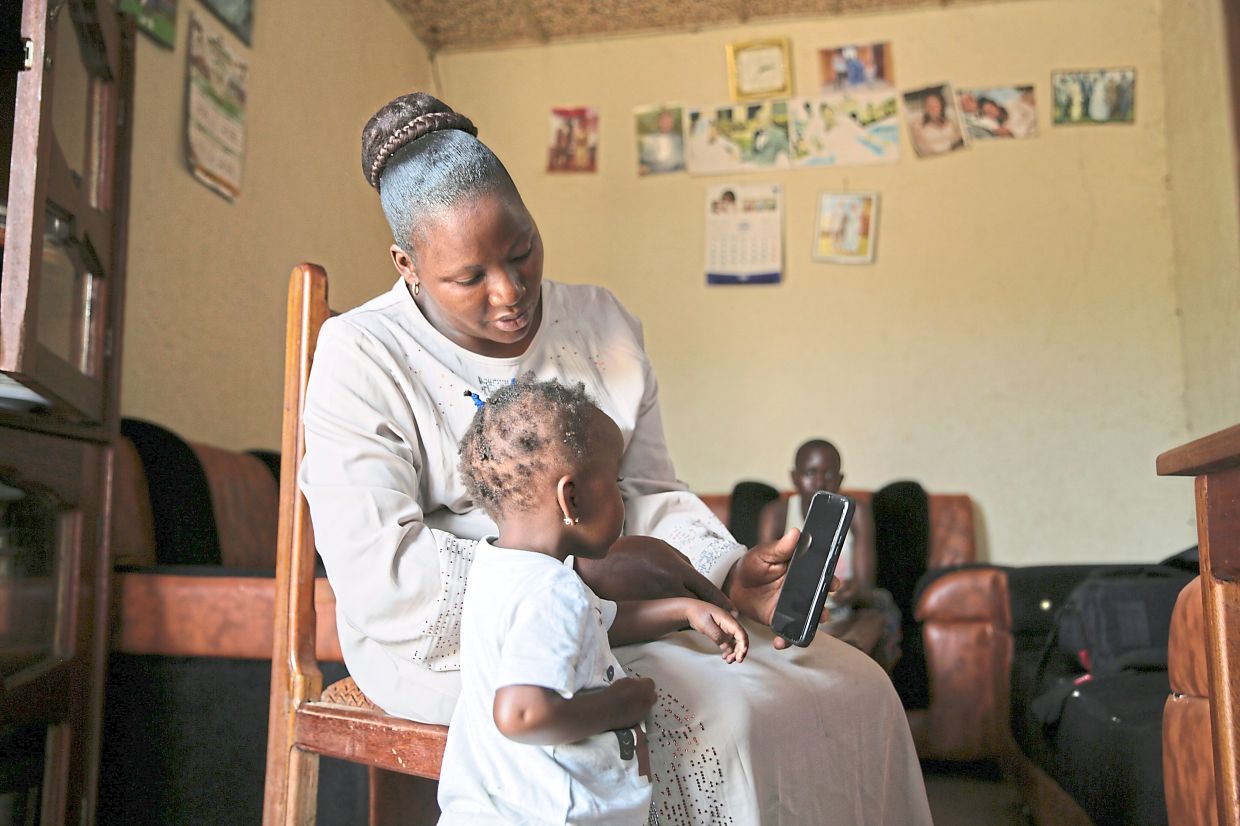
The consequences of this mistrust extended well beyond initial infection rates. Survivors faced intense stigmatisation upon recovery, rejected by families and neighbours who had been told they would die from the treatment itself or that recovery was impossible. Esperance Masinda, who contracted Ebola while caring for her husband, a medical doctor, during the outbreak, describes how her community warned her that the vaccine would kill her within five years. Even after both she and her husband survived and eventually recovered, the scars of social isolation persisted. The psychological burden of being treated as marked for death, even after demonstrating recovery, added trauma to the physical ordeal of the disease itself.
Healthcare workers bore the brunt of community hostility, becoming targets of suspicion and even violence. Dr Babah Mutuza Lusungu, a physician at Dieu Est Grand Medical Centre in Beni, lost his own uncle and two colleagues as he struggled to convince sceptical patients that the outbreak was real. Healthcare workers found themselves in an impossible position, trying to establish trust with communities that saw them as either incompetent or complicit in a supposed conspiracy. The climate of mistrust that developed poisoned relationships between health workers, local authorities, international partners, and the general population, creating gridlock precisely when coordinated action was most critical.
The current Bundibugyo outbreak, which has confirmed 550 cases with 101 deaths as of early June, occurs in a context where an effective vaccine is not yet approved for this particular viral strain. This absence of a proven medical tool that saved lives during the previous outbreak raises the stakes considerably. Survivors and healthcare professionals are now confronting the possibility that the same patterns of denial, conspiracy thinking, and community resistance could determine whether this outbreak becomes a contained crisis or another sprawling tragedy. The lessons from 2018-2020 suggest that without addressing the underlying causes of mistrust, even the best medical interventions will fail.
Dr Lusungu has identified youth engagement as a critical gap in the previous response. Young people were largely excluded from outbreak response efforts, yet they occupy crucial positions within their communities as influencers, educators, and trusted voices. By waiting until case numbers become alarming before launching public education campaigns, health authorities lose precious time and allow misinformation to take root in communities where young people hold sway. Early, sustained engagement with youth leaders could establish credibility and counter false narratives before they spread. This represents not merely a tactical adjustment but a fundamental reimagining of how to build the social foundations necessary for effective outbreak response.
The psychological dimension of Ebola response has proven as important as the epidemiological one. Communities that fear they are being experimented upon, that believe recovery is impossible, or that interpret disease as divine punishment will resist protective measures no matter how scientifically sound. Masinda's observation that stigmatisation has gradually diminished as survivors became visible, healthy members of society points to the power of lived example and normalisation. However, achieving this requires time and sustained presence—resources rarely available during the acute phase of an outbreak when case counts are rising and the immediate need for action feels urgent.
The current Bundibugyo outbreak in Beni and surrounding areas now unfolds against this cautionary backdrop. The same geographic region that struggled with scepticism and misinformation eight years ago faces a new threat with a different viral agent and without access to a proven vaccine. Authorities have acknowledged the need to learn from previous experiences, yet translating those lessons into operational changes across sprawling, resource-constrained health systems remains profoundly challenging. The voices of survivors like Kombi, Wanzire, Dr Lusungu, and Masinda carry moral weight precisely because they endured the consequences of failed communication and community engagement.
For Southeast Asian observers, the Congo experience offers sobering lessons about the fragility of public health responses when community trust erodes. Malaysia's relative success in managing infectious disease outbreaks, from SARS to COVID-19, has depended significantly on sustained public confidence in health institutions and consistent, transparent communication. The Congo cases demonstrate that even in regions with deeper historical grievances than Malaysia's, rebuilding trust during a crisis is extraordinarily difficult. The investment in community relationships, youth engagement, and transparent communication must occur during periods of relative calm, before the next outbreak arrives and demands immediate action.