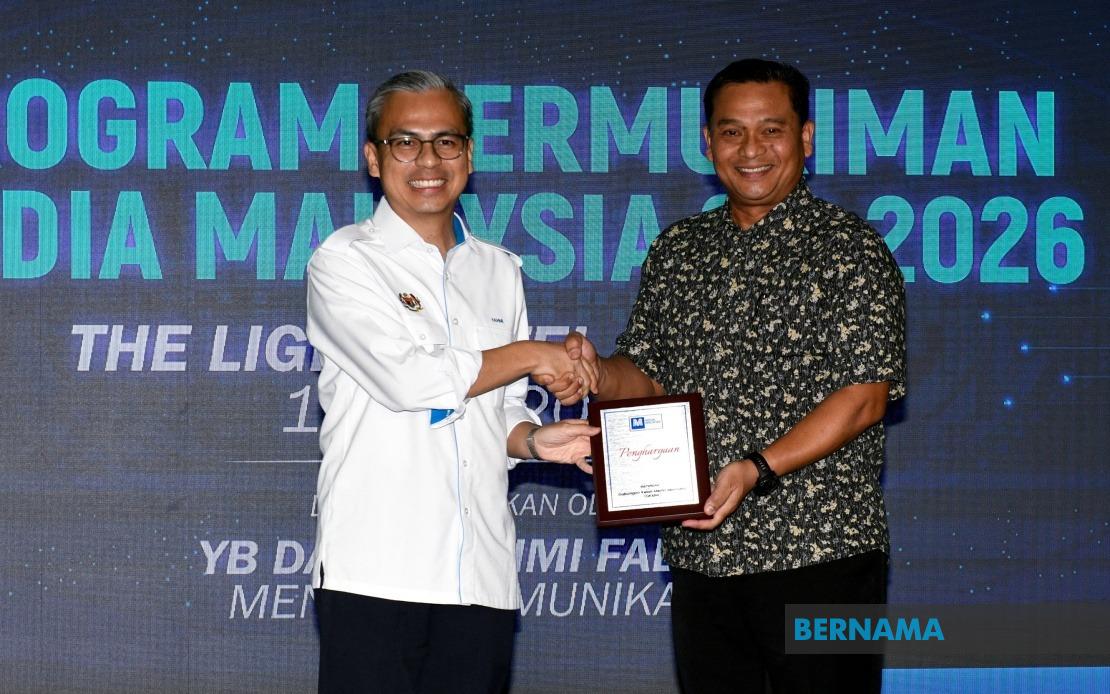
Communications Minister Datuk Fahmi Fadzil has unveiled a funding initiative designed to bolster the operational capacity and welfare programmes of Malaysia's media sector, announcing that the Ministry of Communications will channel RM10,000 to each member state media club of the Malaysian Media Clubs Association (GKMM), alongside a separate grant of RM30,000 to the national association for activities and initiatives.
Fahmi made the announcement while addressing participants at the Malaysia Media Retreat Programme 2.0 in Butterworth, underscoring the government's commitment to supporting the journalism profession during a period of significant transition for the industry. The minister expressed confidence that the allocated funds would be deployed effectively to advance the interests of media practitioners across the country, emphasising that such contributions should prioritise tangible benefits for those working in newsrooms and editorial departments.
The funding mechanism reflects a structured approach to resource distribution, targeting both grassroots media organisations at the state level and the umbrella body that coordinates their interests nationally. By funnelling support through GKMM's membership network, the government aims to ensure that financial assistance reaches practitioners in all regions, acknowledging the geographic diversity of Malaysia's media landscape and the varying operational challenges faced by different state-based organisations.
Fahmi articulated a broader vision for journalism's role in society, characterising reporters and editors as essential witnesses to national events who transform raw information into coherent narratives through disciplined methodology and professional expertise. His remarks positioned journalism as an irreplaceable societal function, one that cannot be commodified or substituted by emerging technologies. This framing appears designed to counteract growing concerns within the industry about automation and artificial intelligence displacing journalism jobs, a worry that has gained currency as newsrooms worldwide grapple with technological disruption.
The minister's explicit commitment to preserving journalism as a viable profession signals government recognition that media sustainability requires active intervention. Rather than allowing market forces alone to determine the sector's future, the Communications Ministry has positioned itself as a stakeholder invested in maintaining a robust, professionally staffed journalism ecosystem. This stance carries implications for how media independence and editorial autonomy will be negotiated in coming years, as public funding creates interdependencies between government and newsrooms.
While GKMM operates outside the formal union framework that represents workers in other sectors, Fahmi acknowledged the association's quasi-representational role in channelling practitioner concerns to policymakers. He suggested that despite lacking traditional industrial relations powers, GKMM functions as a crucial intermediary platform through which journalists can articulate grievances and advocate for industry-specific assistance measures. This recognition grants the association a degree of institutional legitimacy even as it stops short of conferring collective bargaining authority.
The announcement arrives in the context of ongoing legislative developments within Malaysia's media sector, particularly the formulation of the Malaysian Media Council Act. Fahmi indicated that the government's policy development process has been substantially informed by consultation with industry participants, suggesting a collaborative approach to regulatory design. However, the degree to which journalist and media organisation feedback genuinely shapes final legislative outcomes remains a contested question within the Malaysian media community, with some observers questioning whether government consultation genuinely influences policy or merely creates an appearance of inclusivity.
For Malaysian media practitioners and organisations, the funding injection offers immediate practical benefits, enabling state clubs to fund professional development programmes, welfare initiatives, and advocacy activities that might otherwise strain limited budgets. Regional media clubs often operate with minimal administrative infrastructure and volunteer-dependent governance structures, making external funding crucial to their operational viability. The RM10,000 allocation per club could meaningfully expand the scope and frequency of activities these organisations can sponsor.
The broader significance of this initiative extends beyond simple fiscal transfers. It reflects government acknowledgment that journalism requires systemic support during a period when advertising revenue has declined due to digital transformation and audience migration to online platforms. Traditional print and broadcast media outlets have struggled to maintain editorial staff and quality output without revenue stabilisation, creating pressure on working conditions throughout the sector. Targeted government funding represents one policy lever available to address this structural challenge.
From a regional perspective, Malaysia's approach to media funding and support stands in contrast to varied strategies adopted by other Southeast Asian governments. Some nations emphasise state media as the primary vehicle for journalism delivery, while others have implemented press freedom restrictions that discourage independent media investment. Malaysia's current approach, supporting both independent outlets and industry associations through modest grants, reflects a particular philosophy about the relationship between government and journalism that prioritises maintaining a functioning media sector while managing political messaging.
The announcement also carries symbolic weight regarding government-media relations at a moment when trust between political leadership and journalism has periodically deteriorated. By directing resources toward journalist welfare and professional development, the government signals investment in media sustainability and professional standards. Whether this translates into improved operational relations or merely represents a gesture toward an industry that remains frequently critical of government policies remains to be seen.
Critical analysis of such funding initiatives requires examination of potential conditionality, whether explicit or implicit. Media organisations receiving government support may face subtle pressure to moderate coverage or ensure favourable framing of government activities. However, no evidence has emerged suggesting that GKMM or state media clubs receiving such funding have experienced editorial interference or pressure to alter coverage priorities. The challenge for Malaysian journalism lies in maintaining independence while accepting necessary operational support in an economically challenging media environment.