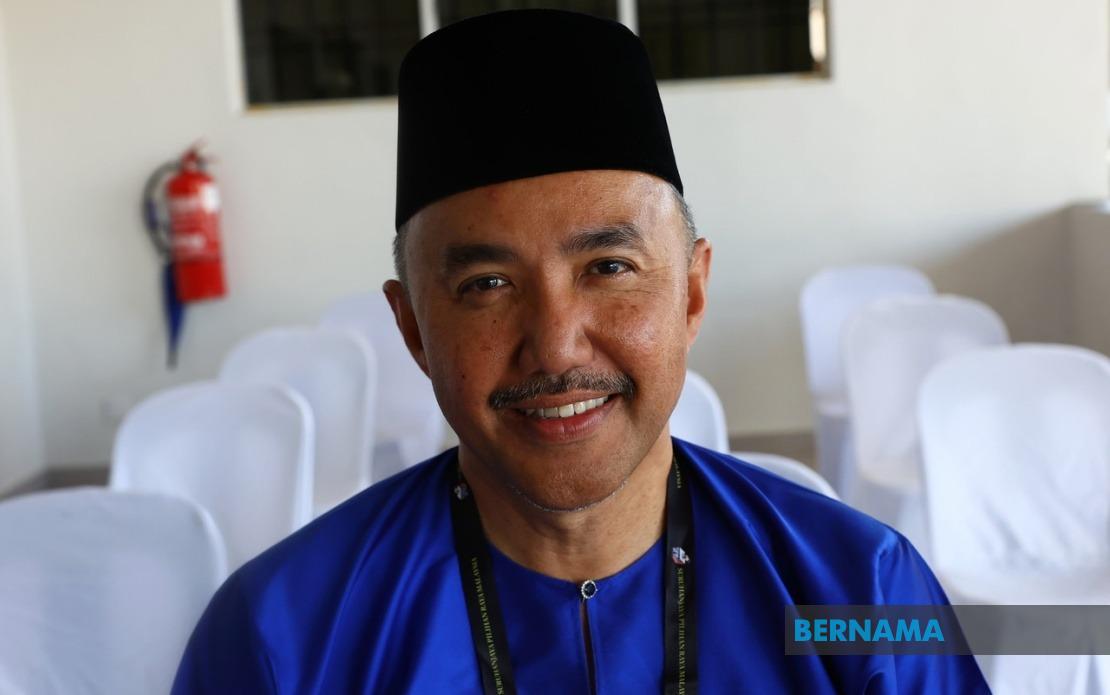
With the Johor state election set for July 11, Barisan Nasional is projecting significant gains among Federal Land Development Authority communities scattered across the Kulai parliamentary constituency, a traditionally important voter bloc that has shifted in recent electoral cycles. The coalition's optimism centres on villages housing nearly 7,000 voters spread across FELDA Taib Andak, FELDA Inas, FELDA Bukit Permai, and FELDA Bukit Batu, according to statements from Datuk Mohd Jafni Md Shukor, who chairs BN operations in the area and is personally defending the Bukit Permai state seat.
The confidence articulated by Jafni rests fundamentally on what he characterises as substantive policy achievements by the Johor state government led by Menteri Besar Datuk Onn Hafiz Ghazi over the past four years. Beyond rhetorical commitments, the BN strategist pointed to concrete welfare measures targeting FELDA families, particularly the Johor Education Foundation programme that subsidises schooling costs for settler children, an initiative directly addressing economic pressures on agricultural communities.
FELDA communities have historically represented a cornerstone of BN electoral strength, yet the 2018 general and state elections delivered a significant blow to the coalition's traditional dominance in these settlements. The setback reflected broader national sentiment against the previous administration, but Jafni's framing suggests the trajectory has begun reversing. The 2022 state election demonstrated marginal improvement for BN in FELDA areas, a trend the coalition aims to consolidate and extend in the forthcoming contest.
A critical factor in BN's recovery strategy involves resolving a prolonged administrative grievance affecting settler morale. Land title disputes have long plagued FELDA communities, creating resentment toward the government apparatus. The Johor administration claims to have substantially resolved this burden, with ownership application processing now reaching 99.9 per cent completion. This technocratic accomplishment, though unglamorous, addresses a tangible quality-of-life issue that directly impacts FELDA household security and represents the type of patient, unglamorous governance that can rebuild trust among pragmatic rural voters.
Jafni's strategic framing extends beyond FELDA settlements alone. He emphasised the broader development agenda the state government has pursued over four years, arguing that a single term proves insufficient for comprehensive transformation. This appeal for a second mandate carries particular weight in Johor, where voter appetite for continuity and visible infrastructure improvement remains substantial. By positioning the July election as a choice between deepening reforms or reverting to uncertainty, BN attempts to leverage incumbency advantages and accumulated policy accomplishments.
The Bukit Permai state seat, which Jafni defends, sits within the larger Kulai parliamentary constituency alongside Bukit Batu and Senai. BN strategy targets not merely holding Bukit Permai but securing victories across all three seats, reflecting confidence born from government performance metrics and voter outreach rather than mere partisan wishful thinking. The breadth of ambition suggests BN believes momentum exists across multiple demographic constituencies within Kulai, not merely among FELDA voters, though the latter remain a crucial pillar.
Opposition fragmentation in Bukit Permai may inadvertently favour BN's consolidation efforts. Jafni confronts a four-way contest encompassing Mohamad Shafwan Ani representing Pakatan Harapan, M. Lina Manoh for Perikatan Nasional, and Muhammad Aidil Riduan Mohd Yusof of Parti Bersama Malaysia. Divided opposition permits BN to potentially secure victory with a plurality rather than an absolute majority, a mathematical advantage that could prove decisive in a closely contested state-level battle.
The timing of BN's FELDA focus merits examination within the broader Malaysian political context. FELDA settlers, predominantly Malay-Muslim, represent an ideological constituency historically receptive to BN messaging around stability, development, and protection of Bumiputera interests. Yet the 2018 landslide loss revealed even this traditionally loyal demographic could be mobilised against the government, particularly when economic grievances accumulated unchecked. The Johor state government's visible responsiveness to FELDA concerns signals institutional learning from that electoral trauma.
Early voting commences July 7, providing a preliminary gauge of voter sentiment before the main poll. FELDA communities, particularly those in rural areas, tend to participate early at disproportionately high rates, offering BN an opportunity to demonstrate momentum and potentially influence undecided voters in the final days. The concentrated early voting among FELDA settlements could amplify BN's message if results confirm improved performance among these communities.
For Malaysia's broader political trajectory, the Johor election outcome matters considerably. The state remains economically significant and a bellwether for Malay-Muslim electoral behaviour outside the federal capital region. BN's ability to recover ground in traditionally supportive communities like FELDA settlements would signal that governance competence and targeted welfare policy can overcome the anti-establishment sentiment that surged after 2018. Conversely, continued weakness among FELDA voters despite four years of state-level commitment would suggest deeper, more structural shifts in rural voting patterns that extend beyond policy adjustment.
Jafni's electoral calculus ultimately rests on a straightforward proposition: sustained government attention to authentic community concerns translates into electoral support. The resolution of land title disputes, the provision of education subsidies, and the promise of continued development investment represent not grandiose pledges but practical governance. Whether FELDA voters in Kulai find these accomplishments sufficient to overcome anti-incumbent sentiment or opposition promises remains the central question as Johor heads toward its electoral verdict.

