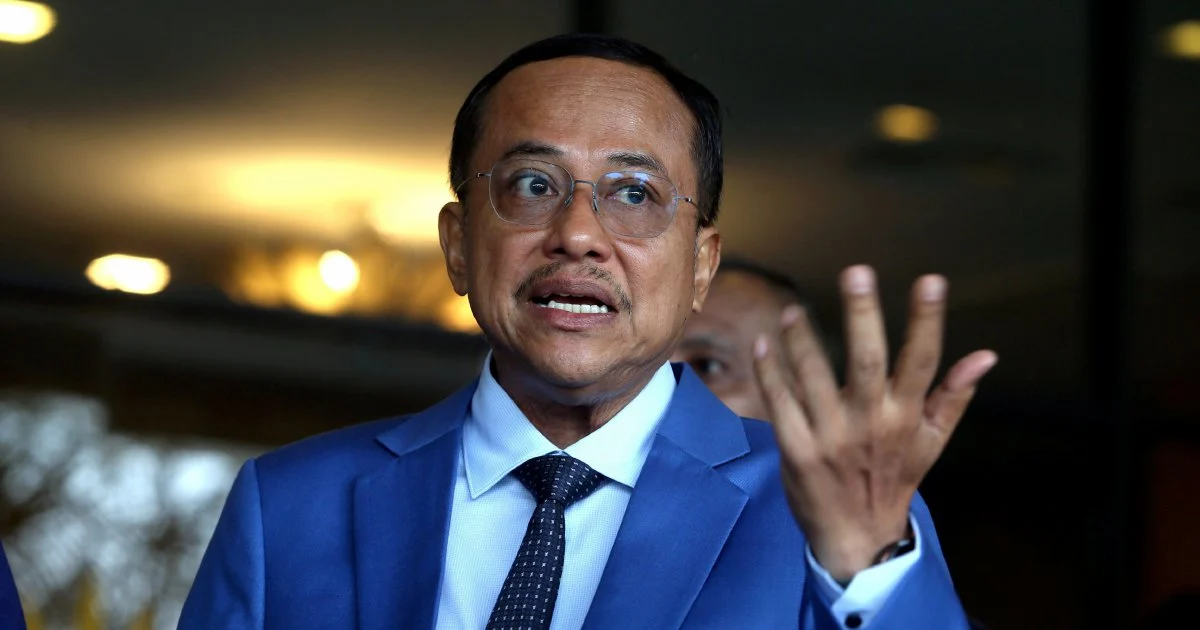
The Bersatu party has intensified its criticism of Perikatan Nasional's leadership, with the coalition's internal rifts on full display as it grapples with mounting coordination challenges. Datuk Tun Faisal Ismail Aziz, serving as Bersatu's chief spokesperson, has levelled serious allegations against Perikatan chairman Datuk Seri Dr Ahmad Samsuri Mokhtar, asserting that he has failed to exercise effective stewardship of the opposition bloc during a critical period of political instability.
Faisal's intervention signals deepening frustration within Bersatu regarding the management of Perikatan's collective interests and strategic direction. The accusations extend beyond mere administrative oversight, touching on fundamental questions about whether the coalition maintains functional leadership architecture capable of responding to emerging threats to its cohesion. By characterizing the leadership approach as fundamentally irresponsible, Bersatu has escalated rhetorical pressure on its coalition partners while simultaneously positioning itself as defender of institutional propriety.
Central to Bersatu's complaint is an assertion that Samsuri has conflated his institutional obligations as coalition chairman with what the party views as misplaced allegiances toward the Pas party specifically. This distinction carries significant weight within the Perikatan structure, as the coalition comprises multiple constituent parties with divergent interests, regional bases, and policy priorities. When the chairman is perceived as favouring one member party over collective coalition interests, it undermines the foundational principle of inter-party cooperation that Perikatan ostensibly represents.
The timing of these accusations reflects broader anxieties within the opposition bloc about its organizational capacity and strategic focus. Since the 2023 general election, Perikatan has positioned itself as a credible alternative governing coalition, yet internal disputes continue to undermine its public standing and operational effectiveness. Bersatu's decision to publicly call out the chairman suggests that behind-the-scenes negotiations have reached an impasse, necessitating airing grievances through media channels to apply external pressure.
For Malaysian observers tracking coalition dynamics, this episode illuminates the structural vulnerabilities inherent in multi-party alliances attempting to function as unified political entities. Perikatan Nasional emerged as a reconstituted opposition force following earlier configurations, yet it has struggled to establish organizational norms and dispute-resolution mechanisms capable of managing inevitable tensions. The absence of clear protocols for addressing leadership accountability appears to have created a vacuum that individual parties now attempt to fill through public recrimination.
Bersatu's intervention also carries implications for the broader opposition ecosystem. The party has invested considerably in Perikatan's viability, viewing it as essential infrastructure for challenging the current government. When key figures within Perikatan appear to prioritize narrow factional interests over coalition-wide objectives, Bersatu faces difficult calculations about whether continued participation remains strategically worthwhile. Public criticism may therefore represent both genuine concern about governance standards and a strategic maneuver designed to signal readiness to reassess coalition commitments.
The specific allegations regarding Samsuri's administrative approach point toward substantive disagreements about how coalition organs should function. As chairman, Samsuri presumably retains significant discretion over how Perikatan coordinates member parties, allocates resources, and develops strategic initiatives. If Bersatu perceives systematic patterns of preferential treatment toward Pas, this would represent a fundamental breach of the principle that coalition leadership serves all constituent parties equitably.
Regionally, the Perikatan crisis carries relevance beyond Malaysia's borders. Opposition coalitions across Southeast Asia similarly contend with questions of internal discipline, equitable power-sharing, and organizational coherence. How Perikatan resolves its current tensions may influence calculations within other multi-party opposition formations considering their own governance arrangements and accountability structures. The cautionary lesson emerging from Malaysia's experience is that aspirational coalition-building requires institutional scaffolding robust enough to withstand ideological differences, resource competitions, and leadership disputes.
Moving forward, Perikatan faces a choice between implementing structural reforms designed to prevent future conflicts and allowing ad-hoc disputes to continue eroding public confidence. Whether Samsuri responds substantively to Bersatu's criticisms or dismisses them will provide important signals about the coalition's commitment to addressing underlying organizational deficiencies. The stakes extend beyond individual personalities to encompass whether Perikatan can consolidate itself into a genuinely cohesive political force or will remain marked by the factional tensions currently consuming its leadership.

%22%2F%3E%3C%2Fpattern%3E%3C%2Fdefs%3E%3Crect%20width%3D%22100%25%22%20height%3D%22100%25%22%20fill%3D%22url(%23ph40buhg)%22%2F%3E%3Crect%20width%3D%22100%25%22%20height%3D%22100%25%22%20fill%3D%22url(%23ph40buhp)%22%2F%3E%3Ctext%20x%3D%2250%25%22%20y%3D%2250%25%22%20text-anchor%3D%22middle%22%20dominant-baseline%3D%22central%22%20fill%3D%22rgba(255%2C255%2C255%2C0.95)%22%20font-family%3D%22Georgia%2C%20'Times%20New%20Roman'%2C%20serif%22%20font-weight%3D%22700%22%20font-size%3D%22320%22%20letter-spacing%3D%22-0.02em%22%3EGRS%3C%2Ftext%3E%3C%2Fsvg%3E)