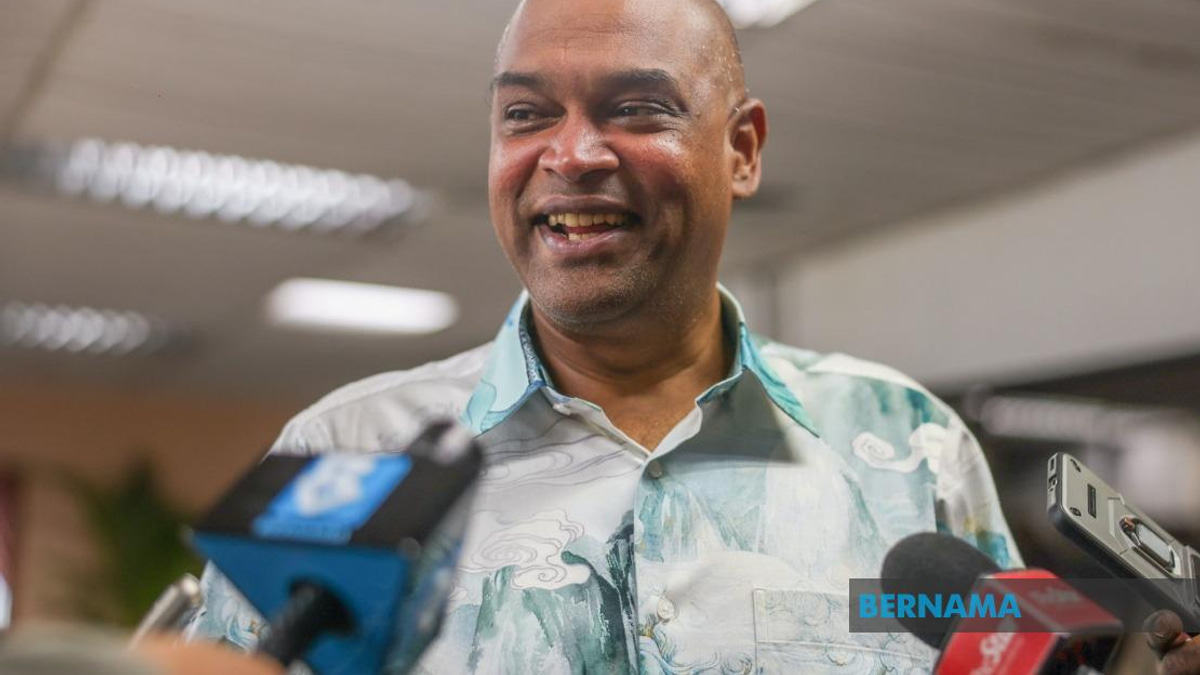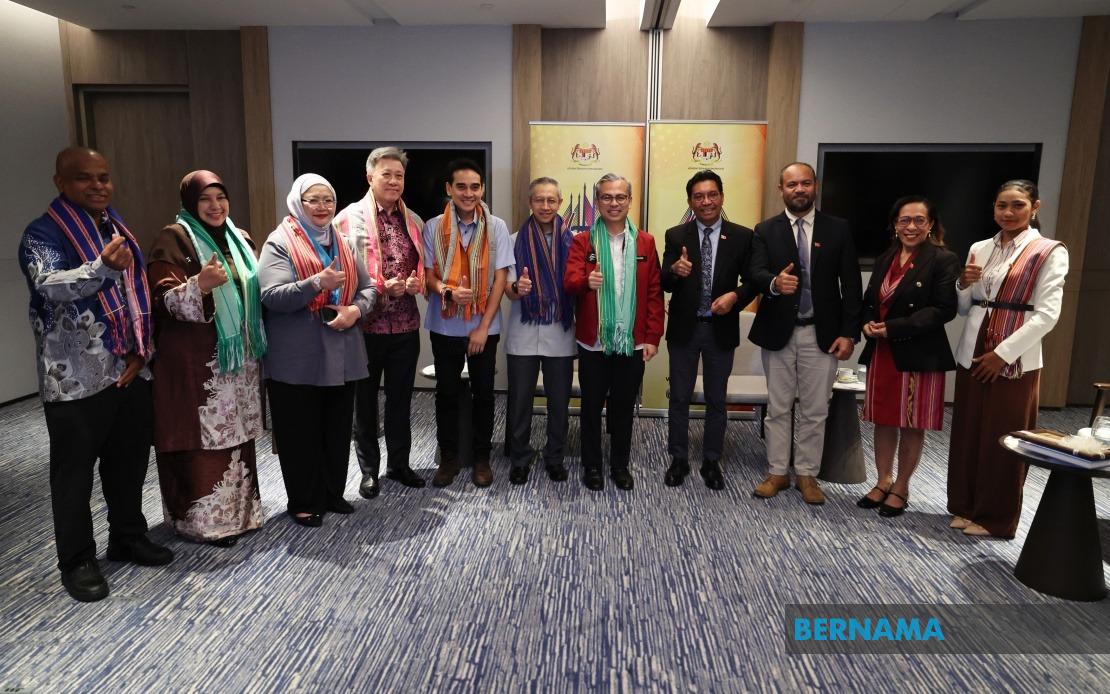
Malaysia's national news agency Bernama has joined forces with Timor-Leste's official news organisation TATOLI in a strategic partnership aimed at strengthening media cooperation between the two ASEAN neighbours. The collaboration, formalised through a memorandum of understanding signed during the National Journalists' Day celebration in Butterworth, represents a significant step in regional journalism development and the consolidation of ASEAN's collective media voice on the international stage.
The agreement brings together two news organisations with distinct yet complementary missions. Bernama, which has operated as Malaysia's official national news agency since its establishment in 1967, brings nearly six decades of experience in gathering, producing, and disseminating news content. TATOLI, established in 2016 as Timor-Leste's official information disseminator, represents the emerging media infrastructure of the region's newest ASEAN member, which formally joined the association in October 2025. This pairing illustrates how established regional institutions can support newer entrants in building professional journalism standards and capacity.
Datin Paduka Nur-ul Afida Kamaludin, Bernama's Chief Executive Officer, emphasised that the partnership extends beyond simple news exchange arrangements. The collaboration encompasses the sharing of photographs and multimedia content, but crucially includes comprehensive journalist training programmes and professional development courses. This multifaceted approach recognises that sustainable media cooperation requires not just content-sharing infrastructure but also investment in human capital and professional expertise.
A particularly innovative dimension of the MoU involves multilingual content distribution tailored to each nation's linguistic landscape. Bernama news will be broadcast through TATOLI's platform in four languages—Tetum, Portuguese, Bahasa Indonesia, and English—enabling Timorese audiences to access Malaysian perspectives and coverage through their preferred languages. This accessibility feature addresses a practical barrier that often limits the reach of cross-border news cooperation and demonstrates how media partnerships can serve broader cultural and informational exchange objectives.
The partnership also signals Bernama's strategic expansion into Portuguese-language journalism. Currently reporting in six languages including Bahasa Melayu, English, Tamil, Mandarin, Arabic, and Spanish, Bernama is considering Portuguese translations to reach Portuguese-speaking audiences worldwide following this memorandum. This linguistic diversification reflects growing recognition within Malaysia's media establishment of the importance of serving diaspora communities and international audiences in their native languages, positioning Bernama as a more globally competitive news provider.
Capacity building emerges as a central pillar of the agreement. Reporters from Timor-Leste are scheduled to undergo training at Bernama facilities before the year's end, gaining exposure to the Malaysian agency's operational methodologies and professional standards. Bernama's teaching infrastructure includes experienced editors and specialised instructors across multiple platforms—online news, television, digital media, radio, and photography—offering practical knowledge grounded in real-world newsroom operations. The agency's Bernama Excellence Centre and School of Journalism, developed over more than two decades of training experience, provide systematic frameworks for professional development that TATOLI staff can adapt to their own organisational contexts.
The signing ceremony, presided over by Communication Minister Datuk Fahmi Fadzil and witnessed by Prime Minister Datuk Seri Anwar Ibrahim, reflected the political significance assigned to this media partnership. The presence of Penang Chief Minister Chow Kon Yeow and Bernama Chairman Datuk Seri Wong Chun Wai underscored the partnership's importance at multiple governmental levels. Similarly, TATOLI President Noémio Mateus Soares Falcão's participation alongside Timor-Leste's Secretary of State for Social Communication Expedito Loro Dias Ximenes demonstrated matching political commitment from Dili. Such high-level engagement suggests both governments view this collaboration as strategically important for their bilateral relationship and regional standing.
From Timor-Leste's perspective, the partnership addresses practical challenges facing a developing news agency establishing itself within the ASEAN media landscape. TATOLI leadership has articulated clear objectives around strengthening journalistic professional capacity, fostering media innovation, and contributing to an information environment characterised by freedom, responsibility, and public benefit. TATOLI President Falcão specifically acknowledged Malaysia's track record in promoting press freedom and journalistic ethics, framing the partnership within a shared commitment to accurate, credible reporting—principles he emphasised as increasingly vital in an era of rapid digital information dissemination where misinformation spreads as easily as verified content.
The partnership occurs against a backdrop of regional concerns about information quality and media professionalism across Southeast Asia. Both agencies have positioned the collaboration as a response to contemporary challenges facing journalism, particularly the proliferation of unverified information across social media platforms. By establishing structured mechanisms for knowledge exchange and professional training, Bernama and TATOLI are investing in long-term improvements to news production standards that could influence wider regional practices. This approach reflects an understanding that individual news organisations cannot adequately address information ecosystem challenges alone; regional cooperation provides force multiplication.
The event itself, National Journalists' Day 2026, attracted significant regional media representation. Cambodian and Laotian government officials attended, suggesting broader ASEAN interest in observing media cooperation developments. For Malaysian readers and media practitioners, the partnership demonstrates how the country's institutional journalism experience can serve broader regional objectives while simultaneously enhancing Bernama's international profile and reach. The multilingual content strategy particularly positions Malaysian perspectives within Timorese information consumption patterns, potentially amplifying Malaysia's soft power influence in a strategically important neighbour.
Looking forward, the MoU establishes a foundation for deeper engagement that could expand beyond news sharing and training into collaborative investigations, joint editorial projects, or coordinated coverage of regional issues. As TATOLI matures as an institution and Bernama continues evolving in the digital age, this partnership provides a practical framework for mutual learning. The investment in training Timorese journalists represents not merely charitable capacity-building but enlightened institutional strategy—strengthening neighbouring media ecosystems contributes to regional stability and fosters professional standards that ultimately benefit all ASEAN nations' international reputations.