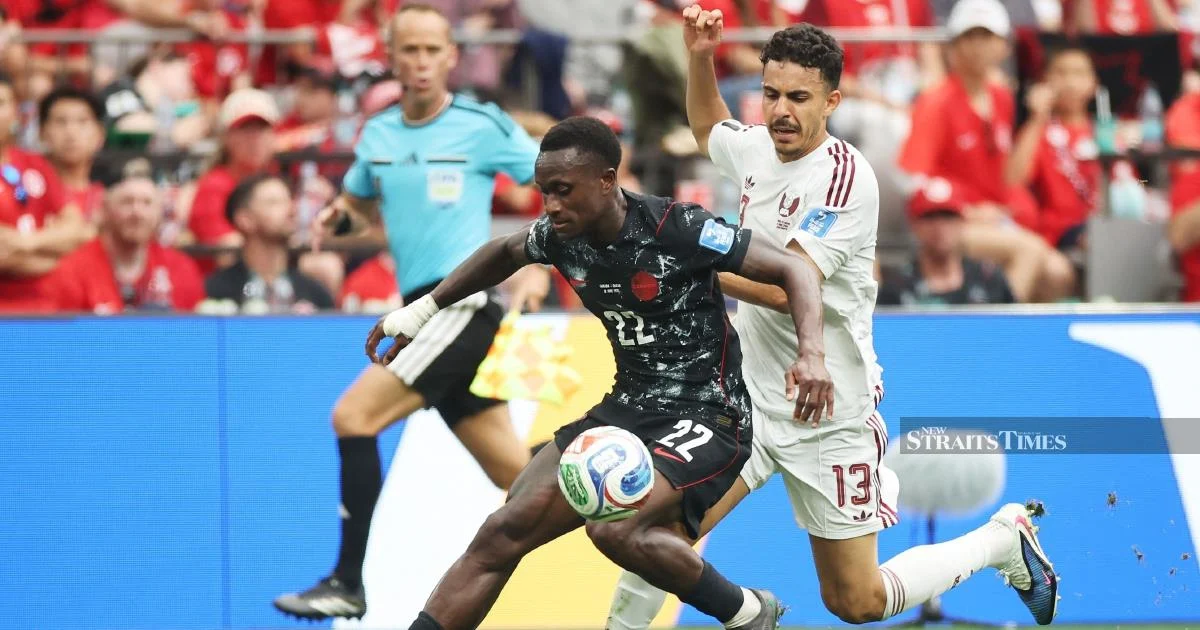
Qatar's World Cup campaign suffered a catastrophic collapse when Canada dismantled the host nation 6-0 in a result that has fundamentally altered perceptions of the Middle Eastern football landscape. The scoreline represents not merely a sporting disappointment but a stark indictment of the country's approach to developing competitive football prowess, according to football commentators who have scrutinised the gulf between enormous financial expenditure and measurable on-field performance.
The depth of defeat underscores a persistent paradox facing wealthy nations attempting to manufacture football excellence through capital investment. Despite Qatar's substantial allocation of resources toward stadium construction, player recruitment, and infrastructure development over the preceding decade, the national team proved incapable of competing at the highest level when the tournament finally arrived. This chasm between investment and return has prompted serious reflection among football analysts about whether money can genuinely translate into sustainable competitive advantage in a sport where cultural tradition, player development systems, and institutional experience carry considerable weight.
Canada's comprehensive victory exposed fundamental weaknesses in Qatar's tactical preparation and squad cohesion. The North American side's aggressive approach found little resistance from defenders struggling to maintain shape and positioning, while Qatar's attacking players operated without coordination or penetration. The absence of a robust domestic league providing consistent competitive experience became apparent; Qatar's footballers, many of whom ply their trade abroad, had not trained together sufficiently to develop the automaticity required for tournament football. This gap between individual ability and collective function represents a recurring problem for wealthy nations lacking deep-rooted football traditions.
The implications of Qatar's poor performance extend beyond the immediate tournament context. Their organisation invested billions of dollars in preparation, from hiring acclaimed international coaches to recruiting experienced players across multiple positions. Yet the scale of defeat suggests that technical knowledge and financial resources cannot substitute for the intangible elements that distinguish successful football nations. Sustained success typically emerges from youth academy systems that operate over decades, creating a pipeline of technically proficient players socialised into particular tactical philosophies from childhood.
For Southeast Asian nations observing Qatar's struggles, the lesson carries particular relevance. Countries across the region occasionally debate whether increased investment might accelerate their trajectory toward World Cup qualification or stronger regional competition performance. Qatar's experience suggests that capital deployment without corresponding structural frameworks and long-term institutional commitment may produce disappointing results. Malaysia, Thailand, and Vietnam have pursued development pathways emphasising grassroots expansion and coaching improvement, approaches that may prove more sustainable than attempting rapid transformation through spending alone.
Qatar's hosting of the World Cup represented a moment of immense national pride, with the country positioning itself as a rising football power capable of competing globally. The financial resources expended on facilities, training infrastructure, and player development was intended to support a team capable of advancing through the tournament rather than suffering historical embarrassment. Instead, the early exit and lopsided defeat have become focal points for discussion about whether the nation's football ambitions were fundamentally unrealistic given the compressed timeframe for team development.
Football development specialists have long understood that elite-level competition requires not only money but also established talent pipelines, institutional memory, and cultural integration of the sport into national consciousness. Qatar's reliance on importing players and employing foreign coaches, while potentially advantageous in the short term, may have undermined the creation of indigenous football identity. Teams that perform consistently at tournaments typically benefit from generations of players educated within coherent systems, understanding each other's tendencies and capabilities through years of shared competitive experience.
The broader ramifications for global football suggest an important corrective to prevailing assumptions about how wealthy nations can rapidly ascend the competitive hierarchy. Monaco, Paris Saint-Germain, and other organisations have occasionally discovered that unlimited spending produces inconsistent returns when not embedded within purposeful long-term planning. Qatar's World Cup experience reinforces this principle at the national team level, demonstrating that the sport's fundamental challenges cannot be resolved through financial transactions alone.
As Qatar processes the disappointment of early elimination, officials will likely reassess their football development philosophy. Continued substantial investment remains probable, but subsequent strategies may emphasise building sustainable foundations through youth development rather than seeking immediate tournament success through veteran recruitment. For regional observers and aspiring football nations, Qatar's cautionary experience provides valuable perspective on the relationship between resources and results, suggesting that authentic competitive development requires patience, institutional commitment, and comprehensive system building alongside financial capability.
%22%2F%3E%3C%2Fpattern%3E%3C%2Fdefs%3E%3Crect%20width%3D%22100%25%22%20height%3D%22100%25%22%20fill%3D%22url(%23ph2fg4zg)%22%2F%3E%3Crect%20width%3D%22100%25%22%20height%3D%22100%25%22%20fill%3D%22url(%23ph2fg4zp)%22%2F%3E%3Ctext%20x%3D%2250%25%22%20y%3D%2250%25%22%20text-anchor%3D%22middle%22%20dominant-baseline%3D%22central%22%20fill%3D%22rgba(255%2C255%2C255%2C0.95)%22%20font-family%3D%22Georgia%2C%20'Times%20New%20Roman'%2C%20serif%22%20font-weight%3D%22700%22%20font-size%3D%22272%22%20letter-spacing%3D%22-0.02em%22%3EPerak%3C%2Ftext%3E%3C%2Fsvg%3E)

%22%2F%3E%3C%2Fpattern%3E%3C%2Fdefs%3E%3Crect%20width%3D%22100%25%22%20height%3D%22100%25%22%20fill%3D%22url(%23ph2ptykg)%22%2F%3E%3Crect%20width%3D%22100%25%22%20height%3D%22100%25%22%20fill%3D%22url(%23ph2ptykp)%22%2F%3E%3Ctext%20x%3D%2250%25%22%20y%3D%2250%25%22%20text-anchor%3D%22middle%22%20dominant-baseline%3D%22central%22%20fill%3D%22rgba(255%2C255%2C255%2C0.95)%22%20font-family%3D%22Georgia%2C%20'Times%20New%20Roman'%2C%20serif%22%20font-weight%3D%22700%22%20font-size%3D%22136%22%20letter-spacing%3D%22-0.02em%22%3EPAS-Bersa%E2%80%A6%3C%2Ftext%3E%3C%2Fsvg%3E)