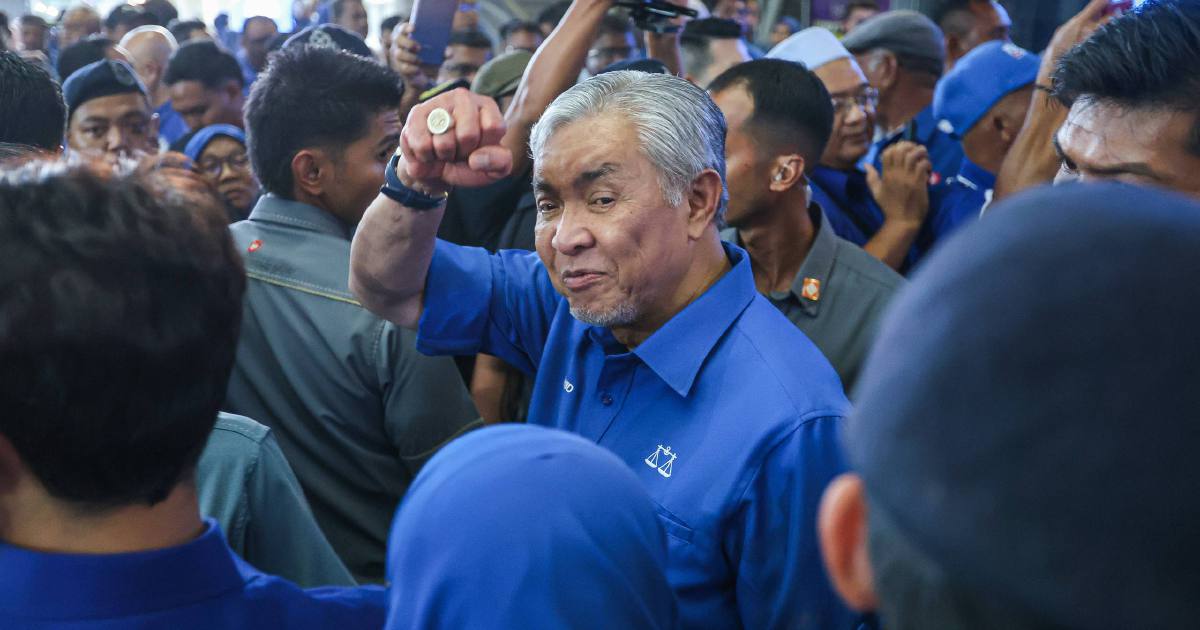
Barisan Nasional's leadership has signalled fresh electoral ambitions in Johor, with the ruling coalition determined to enlarge its footprint in the state legislature. Speaking at Simpang Renggam, BN chairman Datuk Seri Dr Ahmad Zahid Hamidi declared that the coalition intends to capture a greater number of constituencies compared to the results delivered in the previous state election, setting a bullish tone for the forthcoming polls.
The strategic pronouncement reflects BN's broader push to consolidate its dominance across Malaysia's key political strongholds. Johor has long served as a crucial electoral barometer and power base for the coalition, and any gains in seat count would reinforce BN's narrative of political momentum and popular support. The state's 56 assembly seats represent a significant prize in Malaysia's electoral landscape, and expanded representation would translate into deeper influence over state governance and resource allocation.
Zahid's statement carries particular weight given the coalition's mixed fortunes in recent years. While BN recovered substantially in the 2023 general election, state-level contests have presented varying outcomes across different regions. Johor represents an opportunity to demonstrate that this recovery extends beyond federal politics into the state sphere, where local issues and ground-level organisation can prove decisive. The emphasis on surpassing previous performance metrics suggests BN strategists have carefully analysed electoral patterns and believe the groundwork exists for a stronger showing.
Historically, Johor has been a BN stronghold, but the coalition's performance has fluctuated alongside broader political currents affecting Malaysia. Previous state elections have seen shifts in voter sentiment tied to economic conditions, development priorities, and leadership perception. BN's target of increased seat count therefore demands not just maintaining existing support bases but making inroads into constituencies where opposition parties or independent candidates have gained traction. This requires intensive grassroots mobilisation and a compelling narrative that resonates with local concerns.
The timing of Zahid's remarks also signals that BN's preparatory work for the election is already underway, despite no official announcement of the poll date. Coalition components across Peninsular Malaysia have been intensifying their outreach activities, and the Johor focus aligns with this broader election readiness. By openly discussing seat targets, BN leadership aims to energise party members and project confidence to voters, establishing an expectation of success that can influence perceptions and momentum.
For Malaysian observers, the coalition's Johor strategy offers insights into wider electoral calculations. If BN successfully increases its seat count in the state, it would validate the coalition's post-2023 recovery narrative and potentially create positive momentum heading toward future national elections or contests in other states. Conversely, any underperformance against articulated targets could raise questions about the durability of BN's recent federal gains and whether these translate meaningfully at sub-national levels where local factors often predominate.
The coalition's ambitions must contend with an evolving political landscape where opposition parties have demonstrated considerable organising capacity in certain constituencies. Perikatan Nasional, now a significant federal opposition bloc, has shown strength in certain Johor areas, while Pakatan Harapan retains influence in urban centres. BN's path to increased representation therefore requires strategic targeting of specific constituencies and persuasive messaging that addresses voter priorities in sectors ranging from infrastructure and employment to healthcare and education.
Zahid's leadership of the coalition during this electoral period carries its own dynamics. As both BN chairman and Deputy Prime Minister, he occupies a position enabling him to coordinate across party structures and government machinery. His direct articulation of seat targets reflects confidence in BN's internal organisation and suggests the coalition has invested substantially in candidate selection, campaign infrastructure, and voter outreach mechanisms. The specificity of targeting higher seat counts, rather than merely hoping for good results, indicates calculated assessment of electoral possibilities.
The Johor election, whenever held, will occur against a broader backdrop of Malaysia's evolving political competition. Regional dynamics, particularly competition with Perikatan Nasional and positioning ahead of potential future general elections, will influence campaign intensity and resource deployment. For BN, demonstrating renewed electoral vitality in traditional strongholds like Johor reinforces its credentials as Malaysia's dominant political force and provides reassurance to component parties that coalition membership offers viable pathways to power and influence.
Stakeholders in Johor across business, civil society, and community organisations will be watching how electoral competition unfolds. The state's economic significance, its position as Malaysia's second-largest state by population, and its strategic location make Johor elections consequential not just for state governance but for broader national political trajectories. BN's stated objective of expanded representation adds compelling interest to the coming electoral contest.

