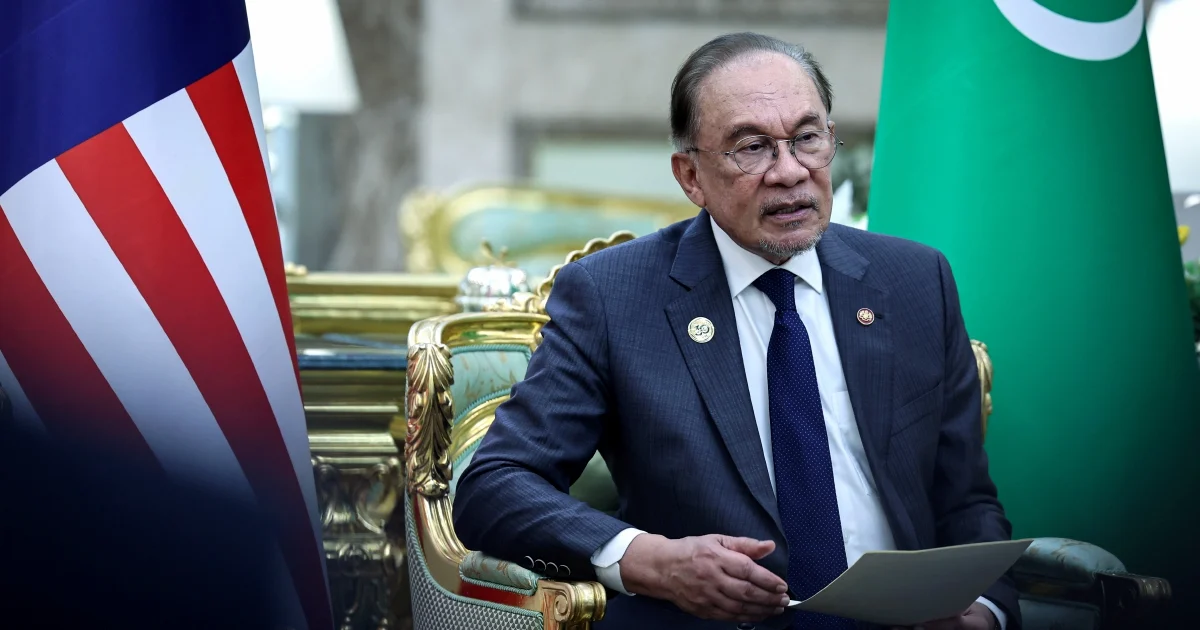
Prime Minister Datuk Seri Anwar Ibrahim has publicly endorsed emerging reports of a preliminary understanding between the United States and Iran, characterizing the development as a welcome sign for global peace efforts. Speaking in Batu Kawan, Anwar underscored the significance of diplomatic breakthroughs in one of the world's most volatile geopolitical zones, reflecting Malaysia's longstanding commitment to dialogue-based conflict resolution across the international stage.
The prime minister's endorsement aligns with Malaysia's broader foreign policy positioning as a nation that champions multilateral engagement and peaceful settlement of international disputes. For Malaysia, which maintains balanced diplomatic relationships across multiple regions and ideological blocs, any reduction in US-Iran tensions carries direct implications for regional security architecture in Southeast Asia. The Middle East remains a critical nexus of global commerce, energy supplies, and strategic interests that reverberate through Asian supply chains and economic networks in which Malaysia participates extensively.
Anwar's cautious optimism reflects the historical patterns of US-Iran relations, which have cycled through periods of tentative engagement and renewed confrontation over decades. The prime minister appeared mindful that initial agreements require substantial follow-through to produce lasting outcomes, suggesting that Malaysia views this moment as potentially transformative but requiring vigilant monitoring. His comments acknowledge the complexity inherent in negotiations between nations with deeply entrenched geopolitical positions and competing regional ambitions.
The breakthrough carries particular relevance for Southeast Asia given the region's reliance on stable global energy markets and freedom of navigation through critical maritime chokepoints. Tensions between Washington and Tehran historically threaten to disrupt shipping lanes and elevate crude oil prices, creating economic pressures that cascade through smaller economies dependent on affordable energy imports. Malaysia, as a major trading nation with substantial maritime interests, benefits materially from reduced friction between these major power centres.
Beyond economic calculations, Anwar's remarks position Malaysia within a broader coalition of nations advocating for de-escalation in the Middle East. The country has consistently voiced support for diplomatic solutions to regional conflicts, from the Israeli-Palestinian situation to various Gulf state disagreements. By welcoming US-Iran progress, Malaysia reinforces its identity as a responsible actor committed to international law and peaceful resolution mechanisms rather than military confrontation.
The prime minister's statement also carries implications for Malaysia's role in Islamic-majority nation forums and its standing within the Non-Aligned Movement framework. Malaysia frequently navigates between Western security partnerships and solidarity with Muslim-majority nations in the Middle East, a delicate balance that requires demonstrating genuine commitment to peaceful conflict resolution rather than alignment with any single power bloc. Welcoming US-Iran progress allows Anwar to present Malaysia as genuinely committed to peace rather than serving narrower sectarian or geopolitical interests.
However, Anwar's remarks reflect awareness that initial breakthroughs often falter when subjected to domestic political pressures in either nation. Both Washington and Tehran face constituencies sceptical of rapprochement, and previous attempts at normalisation have collapsed when hard-liners on either side mobilised opposition. The prime minister's emphasis on hoping for lasting peace suggests realistic understanding that preliminary agreements represent merely the opening stage of potentially protracted negotiations requiring sustained political will from both parties.
The timing of Anwar's public support matters strategically, as Malaysia occasionally serves as an informal diplomatic channel and trusted interlocutor between various parties in Middle Eastern disputes. By articulating measured support for US-Iran engagement, Malaysia subtly positions itself as available for constructive intermediary roles should future negotiations require neutral ground or discreet shuttle diplomacy. The country's geographic position, relatively neutral stance on most Middle Eastern issues, and respected status among diverse players make such roles plausible.
For Malaysian business and policy circles, reduced US-Iran hostilities would simplify risk calculations for companies operating across the Middle East and dependent on regional stability. Several major Malaysian conglomerates maintain operations and interests throughout the region, and elevated geopolitical tensions create uncertainty affecting investment decisions and supply chain management. A genuine US-Iran rapprochement would expand business opportunities and reduce the geopolitical risk premiums currently embedded in regional economic projections.
Anwar's welcome for the initial agreement also reflects Malaysia's evolution under his leadership toward more vocal engagement with global affairs beyond traditional Southeast Asian preoccupations. His administration has demonstrated willingness to comment on and participate in shaping international developments touching on peace, justice, and inclusive governance. This stance differentiates Malaysia's foreign policy approach from previous administrations and positions the country as an increasingly confident voice in global forums.
Moving forward, Malaysian policymakers will likely monitor the trajectory of US-Iran negotiations closely, recognising that their success or failure carries implications for Middle Eastern stability broadly and Southeast Asian interests specifically. Should diplomatic progress stall or reverse, Malaysia may face pressure to take positions on renewed sanctions or military posturing. Conversely, sustained breakthrough could validate Malaysia's diplomatic investment in supporting such initiatives and enhance Kuala Lumpur's credibility as a constructive force in international dispute resolution.