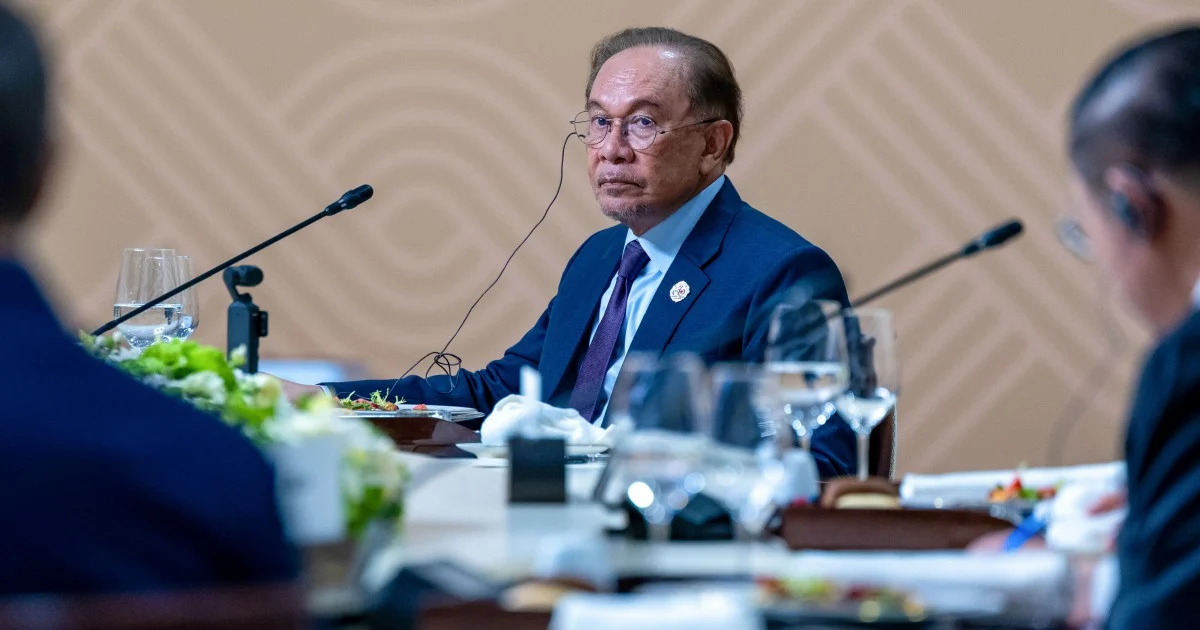
Prime Minister Datuk Seri Anwar Ibrahim has issued a pointed warning to European nations, suggesting that developing countries could pivot toward other international partners if they continue to experience unfair treatment. The cautionary message, which reflects growing frustrations within the Global South, comes in the context of a specific defence-related disagreement involving Norway, signalling deeper tensions between developed and developing economies over trade practices, technology transfers, and strategic partnerships.
The statement underscores a broader shift in geopolitical dynamics where middle-income and developing nations no longer feel bound exclusively to Western partnerships. Malaysia and other nations in this category are increasingly exploring diverse alliances, whether with Asian partners, Gulf states, or emerging economies, to protect their interests and secure favourable terms. This repositioning reflects a pragmatic approach to international relations where countries assess which partnerships genuinely serve their development objectives rather than accepting arrangements imposed by more powerful nations.
Anwar's comments acquire particular significance given Malaysia's position as a trading nation heavily engaged with both Western and Asian markets. The country has invested substantially in defence and industrial cooperation with European partners, yet remains acutely aware that economic relationships must benefit all parties equitably. When developing nations perceive that terms are skewed toward wealthier counterparts, the implicit costs of maintaining those relationships begin to outweigh potential gains, making alternative partnerships increasingly attractive.
The defence dispute with Norway mentioned by the Prime Minister exemplifies how disagreements in specialized sectors can trigger broader reassessments of international relationships. Defence and technology cooperation agreements often contain restrictive clauses, intellectual property provisions, and procurement conditions that developing countries argue disproportionately advantage the supplier nations. When disputes arise over these terms, they frequently reveal fundamental imbalances in negotiating power, pushing developing nations to consider whether they should diversify their defence and technological partnerships.
For Malaysia specifically, this dynamic resonates strongly given its own experiences navigating defence procurement and technology agreements with various nations. The country has sought to balance relationships with established defence suppliers including Western nations whilst simultaneously deepening ties with regional partners and non-Western technology providers. This balancing act becomes increasingly difficult when existing partners impose conditions perceived as restrictive or unfair, particularly regarding technology access and industrial participation.
Anwar's warning also reflects a calculated recognition that developing nations collectively possess economic and strategic weight that should not be dismissed. With over 150 countries classified as developing or emerging economies, they represent vast markets, technological talent pools, and critical supply chains. European nations that treat these partners dismissively risk losing market access, investment opportunities, and influence in regions of strategic importance. The implicit message is that unfair treatment carries tangible costs for developed economies.
The shifting landscape of international partnerships has accelerated during recent years, driven by technological advancement, geopolitical realignment, and changing economic priorities. Developing nations now have genuine alternatives in ways they perhaps did not a decade ago. Asian manufacturers can provide competitive defence systems, technology partnerships with non-Western nations have matured, and regional economic frameworks have strengthened. These alternatives mean that ultimatums and one-sided agreements are no longer automatically accepted.
For businesses and investors operating in both Malaysia and Europe, Anwar's statement carries practical implications. Companies considering cross-border investments, technology partnerships, or defence contracts should anticipate increased scrutiny regarding fairness of terms and mutual benefit. Malaysian entities negotiating with European counterparts will likely insist on more balanced arrangements, including local content requirements, knowledge transfer provisions, and equitable profit-sharing mechanisms. This trend towards more balanced partnerships may ultimately produce more sustainable international relationships, though it may also increase transaction costs during negotiation phases.
The Prime Minister's remarks also position Malaysia as a voice for developing nations' collective interests within international forums. By articulating these concerns clearly, Anwar reinforces Malaysia's role as a bridge between developed and developing economies whilst signalling that the country will not hesitate to pursue alternatives if its interests are not adequately protected. This stance enhances Malaysia's negotiating position in ongoing and future discussions with European nations.
Moving forward, European nations seeking to maintain and strengthen partnerships with Malaysia and other developing countries will need to demonstrate genuine commitment to equitable arrangements. This includes accepting local participation in advanced sectors, facilitating technology transfer, and pricing services and goods competitively rather than leveraging developmental gaps to extract maximum value. Nations that adapt to these expectations will likely retain influence and market access in growing economies, whilst those maintaining extractive approaches risk finding themselves increasingly sidelined.
The broader message Anwar's warning conveys extends beyond Norway or any single dispute. It reflects a fundamental rebalancing of global power dynamics where developing nations are increasingly asserting agency in choosing their international partners. For Malaysia and the region, this represents an opportunity to negotiate from greater strength, secure arrangements that genuinely support development objectives, and build partnerships based on genuine mutual interest rather than one-sided advantage.

%22%2F%3E%3C%2Fpattern%3E%3C%2Fdefs%3E%3Crect%20width%3D%22100%25%22%20height%3D%22100%25%22%20fill%3D%22url(%23ph40buhg)%22%2F%3E%3Crect%20width%3D%22100%25%22%20height%3D%22100%25%22%20fill%3D%22url(%23ph40buhp)%22%2F%3E%3Ctext%20x%3D%2250%25%22%20y%3D%2250%25%22%20text-anchor%3D%22middle%22%20dominant-baseline%3D%22central%22%20fill%3D%22rgba(255%2C255%2C255%2C0.95)%22%20font-family%3D%22Georgia%2C%20'Times%20New%20Roman'%2C%20serif%22%20font-weight%3D%22700%22%20font-size%3D%22320%22%20letter-spacing%3D%22-0.02em%22%3EGRS%3C%2Ftext%3E%3C%2Fsvg%3E)