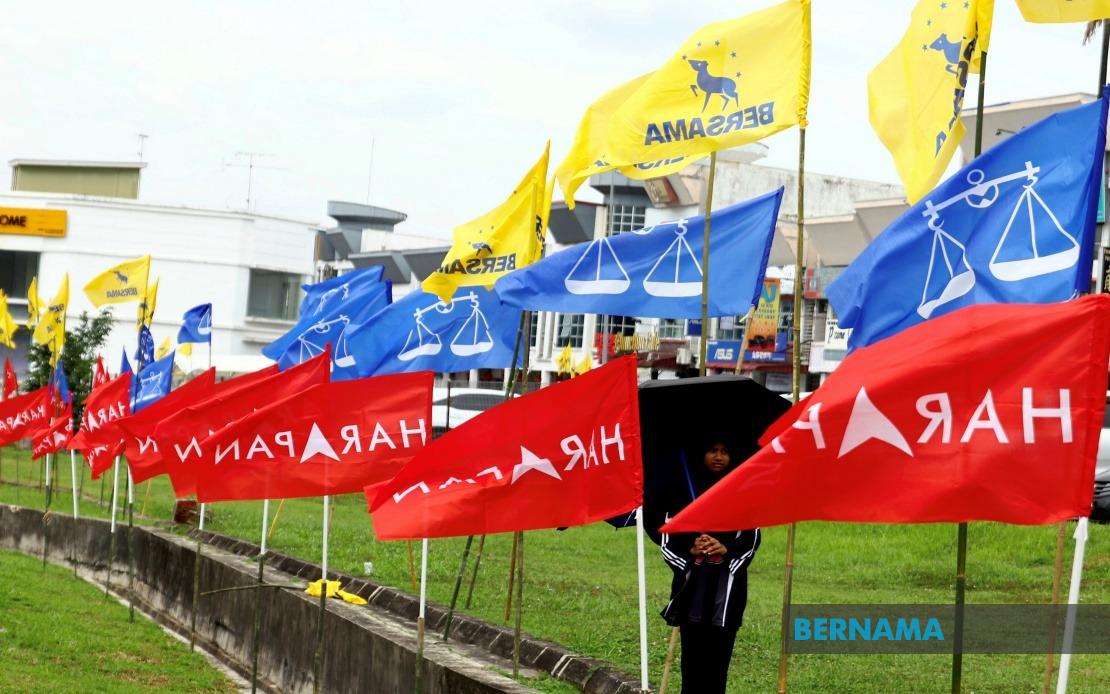
Prime Minister Datuk Seri Anwar Ibrahim has made a direct appeal to Johor voters to grant Pakatan Harapan (PH) the opportunity to lead the state, as the coalition prepares for the 16th Johor state election scheduled for Saturday. Speaking in his capacity as PH chairman, Anwar underscored the coalition's commitment to serving Johor's interests if voters deliver them a governing mandate, framing the election as a pivotal moment for the state's future direction.
In a Facebook post circulated on the eve of polling day, Anwar stressed that time was running short for voters to make their choice and emphasised the significance of their decision. He pledged that if elected, PH would dedicate itself to advancing Johor and ensuring that development gains would be distributed equitably among all residents, not concentrated among the political elite or business-connected circles. The appeal reflects the coalition's broader narrative that it represents a fresh approach to governance in a state that has been a traditional stronghold of other political forces.
Recognising that many Johor-born citizens live and work outside the state, Anwar issued a specific call for expatriate voters to return home for Saturday's election. This outreach acknowledges a demographic reality affecting Malaysian states: significant numbers of working-age professionals migrate to Kuala Lumpur, Selangor, and Singapore, and their participation in state elections can meaningfully influence outcomes, particularly in closely contested seats. The appeal carries an implicit message that voting is a civic duty tied to one's connection to home and family legacy.
To reinforce his message and appeal to cultural sensibilities, Anwar employed traditional Malay poetic form by sharing a pantun verse encouraging voters to return and cast their ballots for Johor's prosperity. The verse, which references the state's famous laksa dish and its heritage, translates to a call for citizens to come home with hope and contribute to the state's continued development and progress. This use of cultural symbolism represents a strategic attempt to connect emotionally with voters beyond the typical political messaging, demonstrating how contemporary Malaysian political campaigning often blends modern digital platforms with traditional literary forms.
The 16th Johor state election presents a competitive landscape with 172 candidates contesting for 56 state assembly seats. This candidate-to-seat ratio of approximately 3.1 indicates a moderately contested election, with most seats likely featuring three-cornered or multi-way contests. The distribution of candidates across constituencies will ultimately determine which party benefits from vote splitting and which manages to consolidate support effectively. Johor's electoral geography has traditionally favoured certain political parties, but recent national electoral trends suggest potential shifts in voter sentiment across multiple states.
For Pakatan Harapan, a Johor victory would carry significant symbolic and practical weight. The state remains economically important as one of Malaysia's major industrial and trading hubs, with a substantial population base. Success in Johor would demonstrate that the coalition can compete and govern beyond its traditional strongholds in the Klang Valley and Selangor, extending its reach into the crucial southern corridor of Peninsular Malaysia. Conversely, a poor showing would suggest continued challenges in penetrating certain demographic and geographic voter segments.
Anwar's personal campaigning in Johor reflects the high stakes involved. As Prime Minister and PH chairman simultaneously, his appearances carry both national government weight and partisan political significance, a duality that characterises Malaysian politics where executive and party leadership often converge. His direct appeals to voters underscore how national leaders remain engaged in state-level contests, particularly when the results could reshape state governments and influence subsequent national political dynamics.
The timing of the Johor election within Malaysia's broader political calendar is noteworthy. State elections have increasingly become barometers of public sentiment between federal elections, offering both ruling coalitions and opposition parties opportunities to test messaging, assess voter mood, and adjust their strategies. Johor's outcome will likely be analysed nationally as an indicator of how Malaysian voters are responding to the current government's performance on issues ranging from cost of living and economic management to corruption and governance standards.
Anwar's emphasis on Johor's interests and progress reflects a localist campaign strategy that acknowledges how state elections are ultimately decided by voters' perceptions of which coalition better understands and can address local concerns. Economic development, employment opportunities, infrastructure projects, and the quality of state services typically dominate state-level campaigns, though national issues inevitably influence state voting behaviour. PH's challenge is to convince Johor voters that despite being in federal government, it has not neglected the state's needs and remains committed to its advancement.
The appeal to Johor-born expatriates also carries demographic implications for future elections. Malaysia's trending urbanisation and interstate migration mean that many states are losing working-age population to economic centres. Parties that can effectively mobilise these diaspora voters potentially gain electoral advantages, as they represent constituencies that might otherwise be overlooked in local campaigning. Anwar's outreach reflects recognition that modern electoral strategy must account for voter mobility and that emotional connections to home state remain politically significant even after residents relocate.
As voting day approaches, Johor represents a testing ground for PH's ability to expand beyond comfortable electoral territory and compete effectively in states where it has not traditionally dominated. The coalition's performance will provide crucial data about its viability as a long-term governing force in Malaysia and whether it can forge cross-regional appeal necessary for sustained national power. For voters, the election offers an opportunity to shape their state's direction and signal their preferences to the national political establishment.

