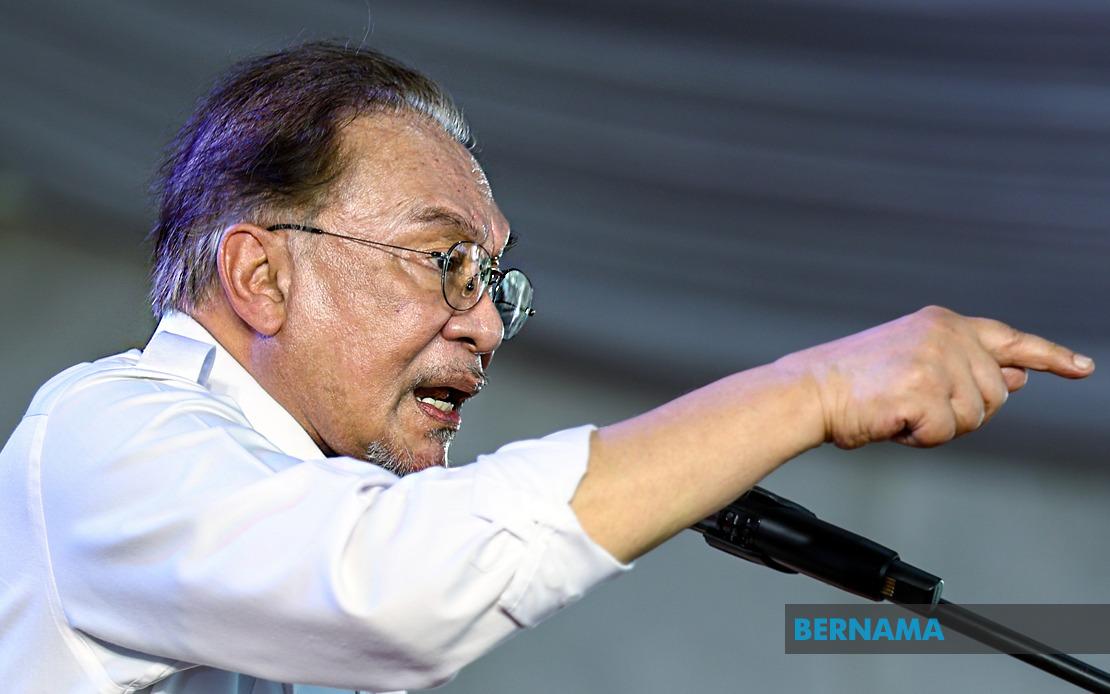
Pakatan Harapan (PH) is intensifying its electoral push in Johor through an ambitious ground campaign led by coalition chairman Datuk Seri Anwar Ibrahim, who embarked on an extensive tour spanning eight constituencies in the northern part of the state. The systematic engagement strategy reflects the coalition's determination to build momentum in what is shaping up as a closely contested race, with the campaign now entering its second week ahead of polling day on July 11.
Anwar's itinerary for July 5 was carefully choreographed to maximise voter contact and generate grassroots enthusiasm across multiple electoral divisions. The day began early with a breakfast engagement programme at Warung Pak Din in Kampung Sahri, where Anwar convened with constituents in Layang-Layang. This ground-level approach, combining informal social gatherings with formal campaign events, has become increasingly common among opposition parties seeking to rebuild trust and establish direct connections with voters outside traditional party structures.
The coalition leader proceeded through Senggarang, Semerah, and Bukit Naning, where he launched volunteer networks and participated in community feasts designed to emphasise PH's grassroots engagement model. These events serve a dual purpose: they provide platforms for discussing policy positions while simultaneously allowing candidates and party machinery to identify and mobilise potential supporters. The participation of Anwar himself underscores PH's strategic focus on these northern constituencies, suggesting the coalition views them as pivotal to its overall performance in this state election.
Afternoon activities included outreach programmes in the Felda settlement areas and the Pemanis constituency, constituencies traditionally important in Malaysian electoral calculations due to their demographic composition. Rural and semi-rural constituencies like these often present distinct campaign challenges, requiring engagement strategies that address concerns specific to agricultural communities, development priorities, and service delivery. PH's decision to allocate significant leadership attention to these areas indicates an assessment that they remain competitive and potentially winnable with sustained effort.
The evening concluded with campaign events in Gambir and Serom, extending Anwar's engagement into prime evening hours when more residents would be available. This methodical progression through eight separate electoral constituencies within a single day demonstrates the intensity of modern electoral campaigning, where senior party figures undertake physically demanding schedules to generate media coverage and demonstrate commitment to voters.
PH's candidate allocation across Johor reflects its organisational capacity within the state. The coalition is contesting all 56 state seats through its component parties: PKR fielding 20 candidates, Amanah 19, and DAP 17. This distribution suggests a negotiated arrangement that recognises each partner's electoral strength and organisational presence in different regions. The unity behind this unified slate distinguishes PH's current approach from internal divisions that plagued the coalition in previous cycles, potentially strengthening its collective bargaining position.
The broader electoral landscape shows considerable competition, with 172 candidates competing across the 56 seats. This density of candidates indicates strong participation from other political forces, particularly the Barisan Nasional coalition and independent contenders. The presence of multiple candidates per seat typically works against larger coalitions with limited ground presence in specific areas, making comprehensive campaign coverage increasingly critical for PH's success.
For Malaysian and regional observers, the Johor election carries significance beyond the state itself. As the nation's southernmost state with deep historical importance and substantial economic weight, Johor's electoral direction influences broader national political calculations. A strong PH performance could consolidate momentum from previous electoral gains, whilst a disappointing result would embolden rival coalitions and potentially destabilise PH's internal unity heading into broader national political contests.
The timing of this intensive campaign phase is strategic, occurring in the final week before polling and the designated early voting period on July 7. Research across multiple democracies indicates that concentrated leadership engagement during this window can measurably influence undecided voter behaviour and energise party machinery during the critical final push. Anwar's personal involvement suggests PH leadership views the Johor contest as consequential enough to warrant the most senior political figure's direct participation.
Campaign intensity from all parties typically escalates considerably in the final seven days before election day, as voter turnout calculations become increasingly important. Early voting mechanisms, introduced to provide greater flexibility, remain a relatively novel element in Malaysian electoral procedures, and how voters respond to this option could affect overall participation rates and potentially the composition of the eventual electorate. Both PH and competing coalitions will be monitoring early voting turnout closely as an indicator of underlying voter sentiment.
From a Southeast Asian perspective, the Johor election exemplifies ongoing competitive electoral dynamics within Malaysia's federal system. Unlike single-party dominant systems elsewhere in the region, Malaysia's evolving multi-party competition means state elections can serve as important barometers of public sentiment and platforms for testing new campaign strategies and messaging approaches.
The coalition's comprehensive campaign strategy, encompassing rural settlements, urban centres, and semi-urban constituencies within a single day, reflects lessons learned from previous electoral experiences. Coordination between PH's three constituent parties, demonstrated through the agreed candidate distribution, will prove essential for translating campaign engagement into actual electoral support. The coming week will determine whether this intensive effort translates into commensurate electoral performance on July 11.

