%22%2F%3E%3C%2Fpattern%3E%3C%2Fdefs%3E%3Crect%20width%3D%22100%25%22%20height%3D%22100%25%22%20fill%3D%22url(%23ph55801g)%22%2F%3E%3Crect%20width%3D%22100%25%22%20height%3D%22100%25%22%20fill%3D%22url(%23ph55801p)%22%2F%3E%3Ctext%20x%3D%2250%25%22%20y%3D%2250%25%22%20text-anchor%3D%22middle%22%20dominant-baseline%3D%22central%22%20fill%3D%22rgba(255%2C255%2C255%2C0.95)%22%20font-family%3D%22Georgia%2C%20'Times%20New%20Roman'%2C%20serif%22%20font-weight%3D%22700%22%20font-size%3D%22272%22%20letter-spacing%3D%22-0.02em%22%3EAnwar%3C%2Ftext%3E%3C%2Fsvg%3E)
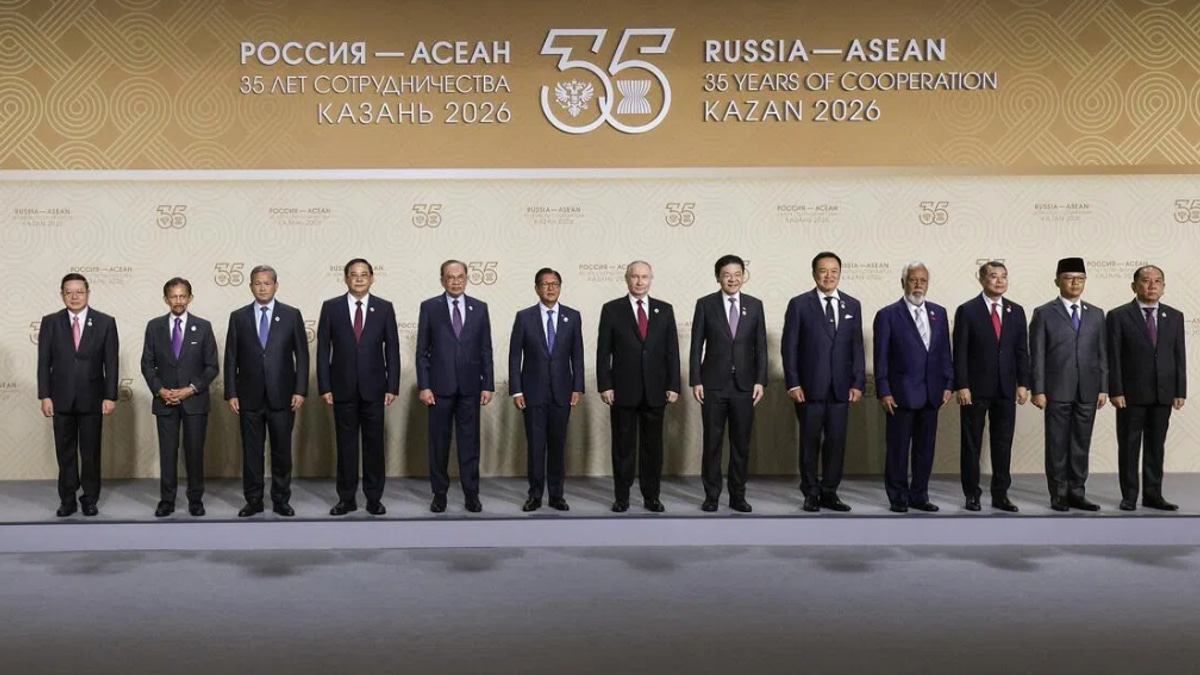
Prime Minister Datuk Seri Anwar Ibrahim has publicly acknowledged the diplomatic positions taken by Russian President Vladimir Putin and Chinese President Xi Jinping regarding recent escalations in the Middle East, particularly highlighting their condemnations of violence in Gaza and Iranian military strikes. The remarks underline Malaysia's careful navigation of global tensions and reflect the country's strategy to engage constructively with major powers on contentious international issues affecting regional stability and humanitarian concerns.
Anwar's comments, made in Kuala Lumpur on June 19, represent a deliberate acknowledgment of how Russia and China have addressed Middle East developments. By specifically praising their condemnatory statements, the Prime Minister signals that Malaysia recognises the diplomatic value of major powers speaking out against escalatory actions, regardless of their broader geopolitical alignments or strategic interests in the region. This positioning is significant for a nation that has historically maintained non-aligned principles while developing multifaceted relationships with global actors.
The timing of Anwar's remarks reflects Malaysia's broader foreign policy orientation under his leadership, which emphasises multilateral engagement and principle-based diplomacy. Rather than remaining silent on such explosive issues, the Prime Minister chose to publicly validate statements from Moscow and Beijing, demonstrating Malaysia's willingness to acknowledge responsible diplomatic conduct from any quarter. This approach distinguishes itself from knee-jerk reactionary positions and instead focuses on identifying common ground on humanitarian and peace-building objectives.
For Southeast Asia, Malaysia's articulation of these views carries particular weight. As chair of ASEAN at various junctures and as a nation with significant Muslim populations, Malaysia's stance on Middle East conflicts shapes regional narrative and provides a template for how regional powers approach seemingly distant geopolitical crises. Anwar's commendation suggests that ASEAN nations can find legitimate basis for supporting diplomatic restraint without necessarily compromising their own strategic autonomy or becoming entangled in great power competition.
The reference to condemnations of Gaza-related violence places Malaysia squarely within the broad international consensus that civilian casualties require serious moral and diplomatic reckoning. Similarly, acknowledging Russia and China's statements on Iranian military operations indicates Malaysia recognises that all parties to Middle Eastern conflicts bear responsibility for de-escalation, not simply one side or the other. This balanced perspective, though diplomatically complex, reflects mature international relations practice and suggests Anwar's administration views the Middle East through a lens of universal principles rather than sectarian or ideological division.
Russia and China, despite their own geopolitical competition with Western powers, have indeed issued statements on Middle East developments that align with international law principles and calls for restraint. Putin's government has explicitly condemned various military operations, while Xi's administration has similarly called for de-escalation and respect for sovereignty. Anwar's decision to publicly commend these positions suggests Malaysia sees value in amplifying such messages, particularly given their origin from permanent members of the UN Security Council with outsized influence over global security affairs.
The broader context matters considerably for understanding this Malaysian diplomatic move. With Gaza experiencing humanitarian crisis and tensions with Iran affecting regional security calculations, countries like Malaysia face pressure to respond meaningfully. By praising specific statements rather than launching inflammatory rhetoric or taking absolutist positions, Anwar demonstrates how middle-power diplomacy can contribute to de-escalation while maintaining principle. This approach may offer a model for other Southeast Asian nations navigating similarly treacherous diplomatic terrain.
Anwar's comments also implicitly acknowledge Malaysia's own constraints and interests. The country maintains commercial ties with multiple parties to Middle Eastern disputes, has strategic partnerships across different international blocs, and shoulders responsibility for managing diverse domestic constituencies with varying perspectives on global affairs. Public statements that recognise responsible diplomacy from Russia and China, without requiring Malaysia to abandon ties to Western partners or other regional players, allow the government to project principled leadership without triggering domestic or international backlash.
The Prime Minister's willingness to engage explicitly with Russia and China on Middle East matters reflects confidence in Malaysia's diplomatic position. Even as tensions between Beijing, Moscow and Western capitals reach historic highs, Anwar's administration has demonstrated capacity to work constructively across dividing lines. This suggests Malaysia's foreign service and political leadership believe the country can maintain productive relationships across the great power divide while remaining true to its stated values regarding peace, humanitarian protection, and international law.
Looking forward, Anwar's framing may influence how other Southeast Asian leaders approach Middle East commentary. By showing that nations need not choose between Western alignment and recognition of Russian and Chinese diplomatic contributions, the Malaysian Prime Minister models a path toward genuine non-alignment in an era of sharp ideological polarisation. Whether this approach gains traction across ASEAN remains to be seen, but Anwar's June 19 statements demonstrate how principle-based diplomacy can function as a unifying rather than dividing force among regional actors.
%22%2F%3E%3C%2Fpattern%3E%3C%2Fdefs%3E%3Crect%20width%3D%22100%25%22%20height%3D%22100%25%22%20fill%3D%22url(%23ph4fp9sg)%22%2F%3E%3Crect%20width%3D%22100%25%22%20height%3D%22100%25%22%20fill%3D%22url(%23ph4fp9sp)%22%2F%3E%3Ctext%20x%3D%2250%25%22%20y%3D%2250%25%22%20text-anchor%3D%22middle%22%20dominant-baseline%3D%22central%22%20fill%3D%22rgba(255%2C255%2C255%2C0.95)%22%20font-family%3D%22Georgia%2C%20'Times%20New%20Roman'%2C%20serif%22%20font-weight%3D%22700%22%20font-size%3D%22320%22%20letter-spacing%3D%22-0.02em%22%3EKTMB%3C%2Ftext%3E%3C%2Fsvg%3E)