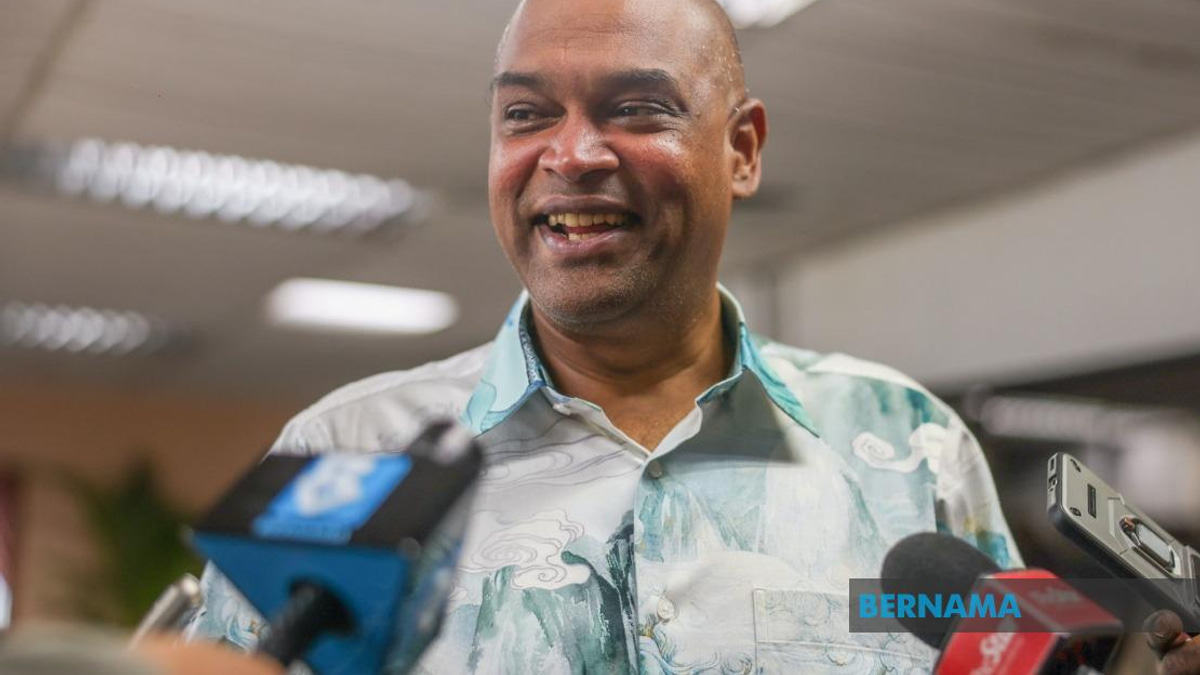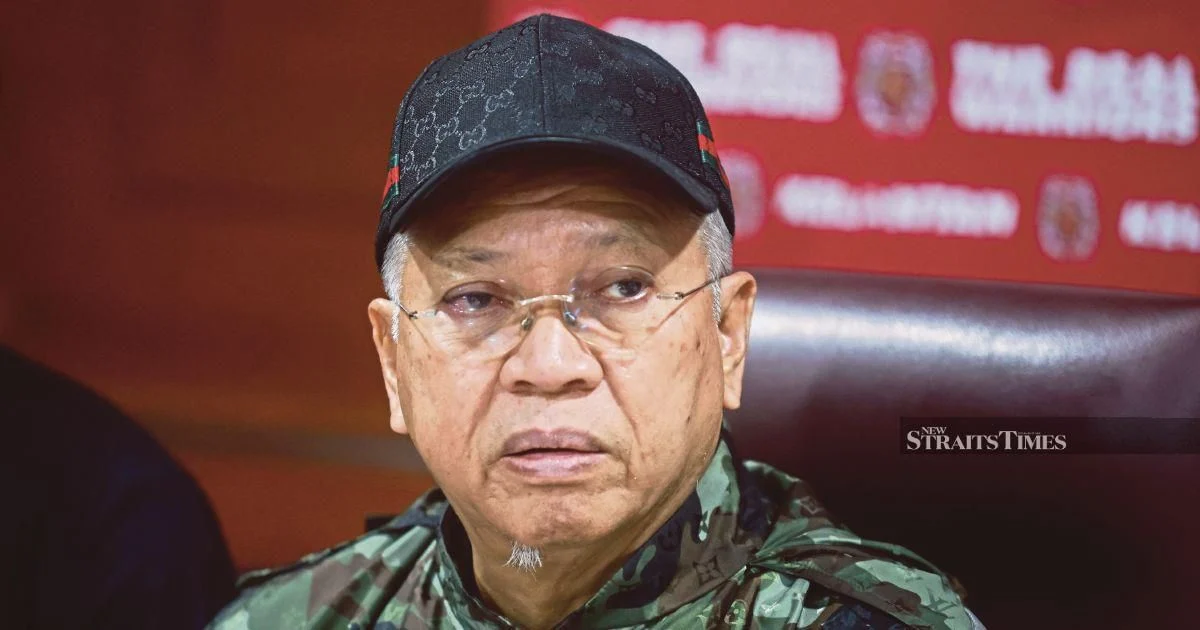
Tan Sri Annuar Musa acknowledged in Kota Baru that his attempts to mend the deepening rift separating Pas from the competing factions within Bersatu did not achieve their intended purpose. The senior political figure said he had invested considerable personal effort in multiple rounds of dialogue aimed at preserving the cohesion that remains essential to the Perikatan Nasional alliance.
The disclosure underscores the mounting strain within Malaysia's ruling coalition, which emerged from the 2022 general election as the predominant political force. The three-party architecture of Perikatan Nasional—comprising Pas, Bersatu, and Umno—was designed to consolidate opposition to Pakatan Harapan, yet internal fractures increasingly threaten this arrangement. The difficulties between Pas and Bersatu, in particular, reflect deeper ideological and strategic divergences that have resisted resolution through conventional reconciliation channels.
Annuar's revelation carries particular weight given his position as a respected intermediary within the ruling coalition and his long history in Malaysian politics. His failed mediation efforts suggest that the theological and organisational schisms dividing these parties may run deeper than surface-level policy disagreements. The fact that even senior figures with credibility across multiple factions cannot bridge these chasms points to structural problems that will require sustained attention from top leadership.
Bersatu, the party founded by former Prime Minister Mahathir Mohamad, has fractured into competing blocs with distinct visions for the party's trajectory and role within Perikatan Nasional. These internal divisions have created operational inefficiencies within the coalition government and complicated decision-making processes. The inability of senior figures to reconcile these competing interests has already manifested in legislative delays and policy disagreements that weaken the government's effectiveness.
Pas, meanwhile, maintains its traditional base among religiously conservative Malaysians while pursuing an increasingly assertive agenda within the coalition. The party's organisational discipline and grassroots mobilisation capabilities make it a formidable force within Perikatan Nasional, yet its specific policy priorities do not always align with those of other coalition partners. The tension between Pas's Islamist orientation and Bersatu's multiethnic coalition-building approach has proven particularly difficult to navigate.
For Malaysian observers, the failure of high-level reconciliation attempts signals that the coalition's stability cannot be taken for granted. Unlike Pakatan Harapan, which constructed its unity around opposition to the previous political establishment, Perikatan Nasional must build cohesion while simultaneously governing. This transition from opposition movement to ruling coalition typically exposes previously dormant fissures, as competing visions for policy direction become impossible to defer.
The implications extend beyond the immediate sphere of coalition management. Regional stability and Southeast Asian geopolitics partially depend on Malaysia's government functioning effectively and maintaining policy continuity. Internal political fractures that paralyse decision-making capacity or create legislative gridlock inevitably reduce Malaysia's ability to engage constructively in regional forums and maintain diplomatic initiatives. Southeast Asian neighbours monitor Malaysian political developments closely, as a destabilised Malaysian government could create regional uncertainties.
Annuar's candid admission that reconciliation efforts have failed, rather than maintaining diplomatic fiction, may paradoxically represent a necessary step toward addressing underlying problems. Acknowledging that conventional mediation has proven insufficient creates space for more fundamental restructuring of coalition arrangements or the development of new institutional frameworks capable of accommodating these competing interests. The alternative—pretending that unity exists when it demonstrably does not—only postpones confrontation while allowing tensions to accumulate.
Looking forward, Malaysian political observers anticipate that Perikatan Nasional will either develop more robust mechanisms for managing internal disagreements or face continued governance challenges that could eventually threaten the coalition's viability. The precedent established by other major coalitions globally suggests that ruling alliances require either strong ideological cohesion or institutional frameworks that can accommodate significant policy differences without triggering complete breakdown. Perikatan Nasional currently possesses neither advantage in equal measure.
The statement from Annuar also raises questions about the coalition's longer-term trajectory and whether current leadership possesses the political will necessary to undertake potentially difficult restructuring. Some analysts suggest that the coalition may eventually require renegotiation of its founding principles or clarification of the bounds within which internal disagreements can occur without threatening the overall partnership. Others argue that demographic and generational change within member parties will eventually alter the dynamics currently producing these tensions, though this remains speculative.
For now, Annuar's revelation serves as an honest assessment of current political realities within Malaysia's ruling coalition. The acknowledgment that multiple senior-level attempts at reconciliation have yielded limited results establishes a baseline of candour from which more productive dialogue might eventually develop. Whether such dialogue will emerge remains an open question that will preoccupy Malaysian political watchers in coming months.