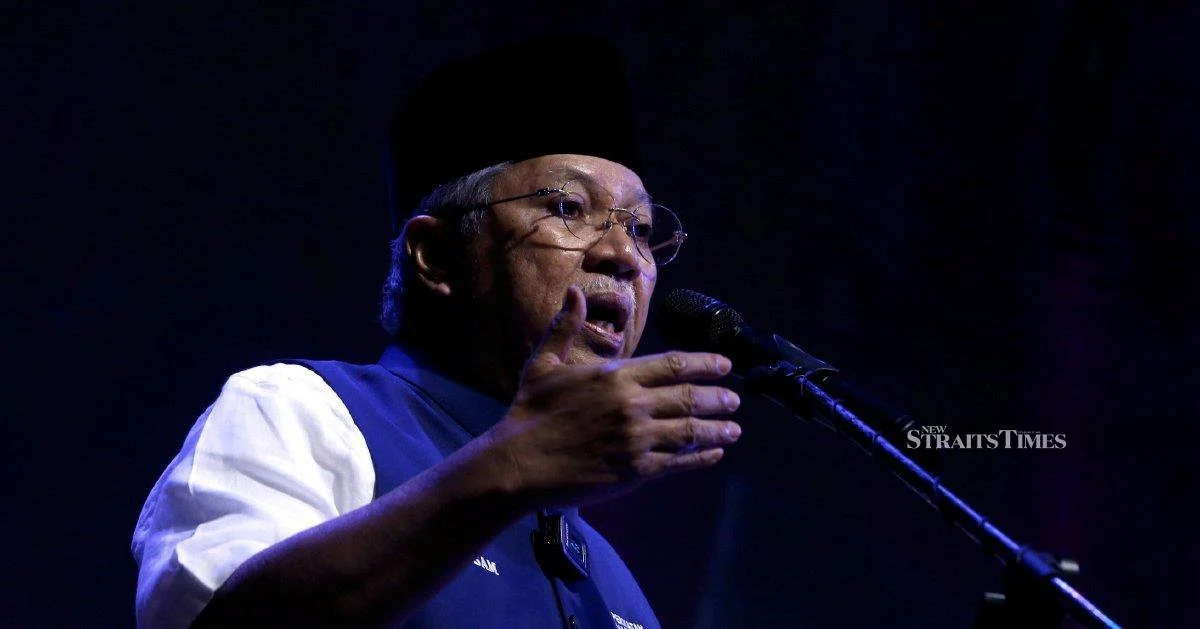
The opposition coalition Perikatan Nasional is grappling with renewed internal tensions, prompting appeals for measured responses from its component parties. Senior political leaders have counselled Bersatu, one of PN's significant members, to exercise restraint and avoid hasty public statements as the coalition works through disagreements on strategic direction and governance matters. The appeal underscores the fragility of opposition unity in Malaysia, where maintaining a coherent front has historically proven difficult across ideological and organisational lines.
Bersatu's position within PN has become increasingly delicate as competing factions within the coalition push competing agendas. The party, which emerged from a 2020 split in the United Malays National Organisation and has since become a significant player in opposition politics, finds itself navigating complex dynamics with other PN members including PAS and other smaller parties. The latest developments suggest that disagreements extend beyond routine coalition management into fundamental questions about the direction of opposition politics in Malaysia.
Internal strains within PN reflect deeper structural challenges facing opposition coalitions in the country. Unlike tightly disciplined government coalitions with clear hierarchies and resource distribution mechanisms, opposition alliances must maintain cohesion without the binding force of ministerial appointments and federal funding. This structural disadvantage has historically made opposition coalitions more prone to fracturing, particularly during periods of political uncertainty or when external pressures mount.
The timing of these tensions carries significance given Malaysia's evolving political landscape. With general elections potentially on the horizon and several state-level political developments in flux, opposition parties are calculating their positions with an eye toward electoral prospects and coalition viability. Bersatu's recent performance in various electoral contests has bolstered its internal influence, creating leverage that some party leaders may be exploiting during coalition negotiations.
Regional political observers have noted that PN's difficulties reflect broader patterns across Southeast Asian opposition movements. When opposition coalitions lose access to state resources and institutional advantages, maintaining organisational discipline and message coherence becomes exponentially more challenging. The ability of seasoned party operatives to manage internal disagreements without public ruptures often determines coalition longevity and electoral competitiveness.
The coalition's recent statements and internal discussions suggest disagreement on several policy fronts and organisational matters. Some PN members appear to be pushing for stronger positions on specific governance issues, while others advocate for compromise and coalition preservation over factional advantage. These competing impulses have generated the friction that prompted senior figures to appeal for calm and discretion from party leadership.
Bersatu's leadership faces a particularly nuanced challenge. The party must balance maintaining unity with PN partners against asserting its own interests and positioning within the coalition hierarchy. Public disputes risk alienating potential coalition partners and weakening opposition credibility with voters who are evaluating alternative political arrangements ahead of electoral decisions. However, remaining silent or appearing subordinate to other PN components could alienate Bersatu's own membership and party activists who expect assertive leadership.
For Malaysian politics more broadly, the stability of PN carries implications beyond the coalition itself. Opposition party performance affects the overall health of Malaysia's democratic system by providing meaningful electoral choice and institutional checks on government power. When opposition coalitions fragment or perform poorly, they reduce the competitive pressure on governing coalitions to maintain accountability and performance standards. Conversely, a strong, organised opposition coalition pushes government parties to maintain higher standards of governance and responsiveness to public concerns.
The appeal for restraint from senior political figures reflects recognition that unguarded public statements during coalition tensions can trigger irreversible damage to relationships and party standing. Coalition partners scrutinise every public statement for signs of commitment or disloyalty, and hasty commentary can be exploited by rivals to drive wedges between parties. Experienced political operators understand that maintaining optionality during tense periods requires disciplined communication and careful management of internal messages.
Bersatu's response to this appeal will signal much about the party's internal decision-making processes and leadership priorities. A party that immediately accepts calls for restraint demonstrates commitment to coalition stability, while one that continues airing grievances publicly suggests calculations prioritising short-term factional advantage over long-term coalition viability. These signals matter considerably in political ecosystems where trust and reliability remain crucial currencies among coalition partners.
Moving forward, PN members face the persistent challenge of converting their coalition into a politically viable alternative while maintaining sufficient internal unity to function as a coherent opposition force. This requires disciplined leadership across multiple parties and a shared commitment to resolving disagreements through coalition mechanisms rather than public confrontation. The success or failure of these efforts will substantially shape Malaysian politics in the coming electoral cycle and beyond.

%22%2F%3E%3C%2Fpattern%3E%3C%2Fdefs%3E%3Crect%20width%3D%22100%25%22%20height%3D%22100%25%22%20fill%3D%22url(%23ph40buhg)%22%2F%3E%3Crect%20width%3D%22100%25%22%20height%3D%22100%25%22%20fill%3D%22url(%23ph40buhp)%22%2F%3E%3Ctext%20x%3D%2250%25%22%20y%3D%2250%25%22%20text-anchor%3D%22middle%22%20dominant-baseline%3D%22central%22%20fill%3D%22rgba(255%2C255%2C255%2C0.95)%22%20font-family%3D%22Georgia%2C%20'Times%20New%20Roman'%2C%20serif%22%20font-weight%3D%22700%22%20font-size%3D%22320%22%20letter-spacing%3D%22-0.02em%22%3EGRS%3C%2Ftext%3E%3C%2Fsvg%3E)