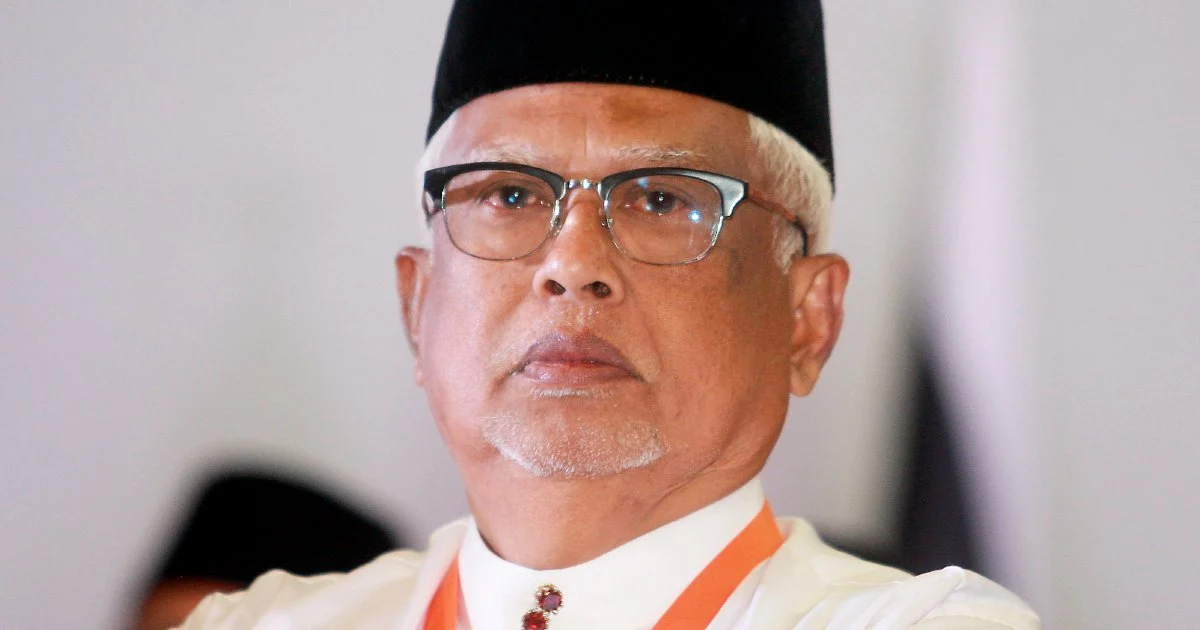
The political tensions within Malaysia's Perikatan Nasional coalition have deepened, with an Amanah party leader publicly questioning the apparent contradiction in PAS's electoral strategy during the Johor state election campaign. Datuk Seri Mahfuz Omar, a senior figure in the Amanah party, has called on the predominantly Islamic PAS to clarify its reasoning for continuing to field support for Bersatu candidates despite what he characterised as substantial accusations that PAS has itself directed at its PN coalition partner.
The development reflects the underlying fractures within the PN alliance, which has served as a significant political force in Malaysian politics since its formation ahead of the 2020 general election. The coalition, comprising PAS, Bersatu, and several other parties, has presented itself as a united front to voters in various electoral contests. However, internal disputes and policy disagreements have periodically surfaced, raising questions about the durability of the partnership and its ability to present a coherent message to the electorate.
Mahfuz's public challenge to PAS highlights a broader strategic inconsistency that appears to have emerged within the PN framework. When political parties maintain serious allegations against their coalition partners while simultaneously mobilising resources to support those same partners' candidates, voters are understandably confused about the actual state of inter-party relations. This confusion can undermine campaign messaging and potentially damage the credibility of both parties involved in the arrangement.
The Johor state election represents a crucial test for PN's viability as a cohesive political bloc. Johor, as the second-most populous state and a traditional stronghold of various political factions, carries significant symbolic and practical importance in Malaysian electoral politics. The performance of PAS and Bersatu candidates in the state will have implications not only for local governance but also for the broader trajectory of PN politics heading into future national elections.
Amanah, as the third major component of PN, occupies an interesting position within the coalition dynamic. The party has historically positioned itself as a moderate Islamic alternative to PAS, drawing support from urban, middle-class, and more cosmopolitan Muslim voters. By drawing public attention to the contradictions within PN's operational framework, Amanah appears to be staking out a distinct political identity and signalling to voters that it maintains independent critical standards rather than uncritically accepting coalition decisions.
The allegations that PAS has directed at Bersatu have not been explicitly detailed in public statements, but they likely relate to ongoing disputes over leadership, strategic direction, or governance issues that have periodically emerged in PN discussions. These tensions have historically centred on questions of party autonomy, the degree of influence wielded by Bersatu leader Tan Sri Muhyiddin Yassin, and disagreements over policy priorities between the Islamic-focused agenda of PAS and the multiracial positioning of Bersatu.
From a Malaysian electoral perspective, the PN situation deserves careful monitoring because coalition dynamics fundamentally shape the competitive landscape. The primary opposition bloc, led by Pakatan Harapan, will certainly be paying attention to any cracks within the PN alliance, as these fractures could influence voter behaviour and seat distribution across different electoral contests. In states like Johor, where multiple coalitions compete, the internal cohesion of each bloc directly affects its capacity to mobilise support efficiently.
Mahfuz's intervention also reflects broader patterns of Malaysian political communication, where public criticism among coalition partners serves multiple simultaneous purposes. On the surface, it appears to be a demand for clarification and consistency. At a deeper level, it may function as a way for Amanah to differentiate itself within PN, to signal to particular voter constituencies that the party maintains its own principles, and to position itself favourably should PN experience further fragmentation or realignment.
The question of why PAS would continue supporting Bersatu candidates despite serious concerns goes to the heart of practical coalition politics in Malaysia. Coalition arrangements typically operate on principles of mutual benefit and agreed electoral arrangements that may supersede individual party grievances. PAS may calculate that maintaining PN unity, even when imperfect, serves its long-term interests better than the alternative of coalition dissolution or public conflict that could benefit rival opposition parties.
For voters in Johor and elsewhere, these intra-coalition dynamics create an additional layer of complexity when evaluating their electoral choices. Voters must now consider not only each party's policy platforms and track records but also the reliability and stability of coalition arrangements that will actually govern after elections. The transparency with which parties address internal disagreements while maintaining coalition partnerships will likely influence voter confidence in the electoral process itself.
Looking forward, Mahfuz's challenge to PAS may force more explicit public discussions about the nature of PN's internal governance and dispute resolution mechanisms. Whether PAS chooses to respond directly to Amanah's criticism, or whether it maintains its current course of supporting Bersatu candidates regardless, will signal important information about the coalition's actual operational priorities and the degree to which public criticism by coalition partners is taken seriously within the framework.

